How to Become a Coffee Roaster: The Real Role of Roast Curves
Ever wondered how much control a roaster really has over how your coffee tastes? You might assume the secret lies in the perfect roast curve or the latest machine. But ask any experienced roaster and they’ll tell you: it’s not that simple. The truth is, roast profiles are just one piece of a much bigger puzzle — and far from the most decisive.
To become a coffee roaster, you need deep knowledge of green coffee origins, processing methods, and cup characteristics. There’s no fixed formula — it takes consistent testing, tasting, and record-keeping to understand how different beans respond to heat. Most importantly, you have to learn by doing, not just reading.
Why Roast Curves Aren’t Everything
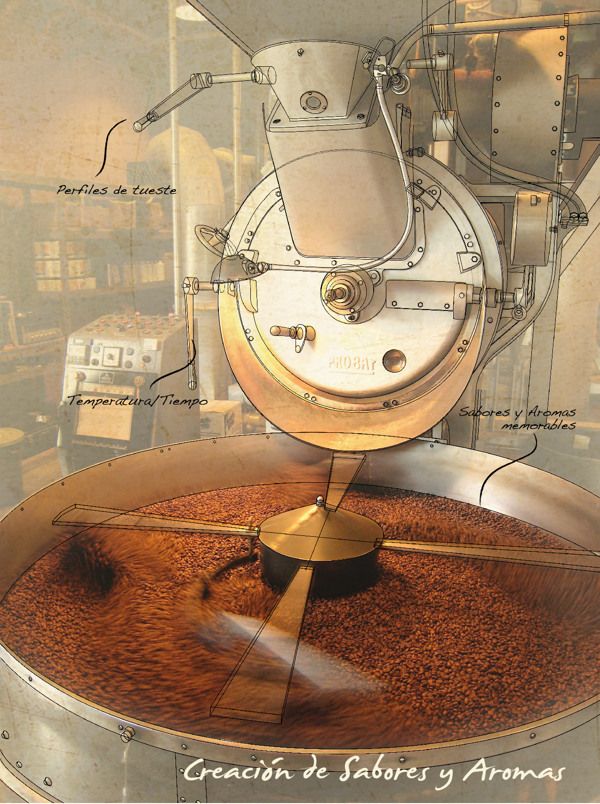
Roast curves — charts showing time vs. temperature during a roast — are often treated like blueprints. But in reality, they’re more like rough sketches. The theory behind coffee roasting isn’t as rigid as textbooks suggest. More importantly, the same coffee bean can vary in moisture content from month to month, even within the same harvest. That means a roast curve that worked last season might not work today.
Beyond the beans themselves, origin and processing play huge roles. Coffee growing discussions now focus heavily on terroir — region, microclimate — similar to wine. These factors create dramatic differences in flavor long before roasting begins. Then there’s processing: washed, natural, honey. While the main goal is preservation, each method also shapes the bean’s inherent flavor potential. By the time a bean reaches the roaster, it already carries a complex set of variables.
So, while roast curves offer a useful reference, they’re not absolute. A skilled roaster knows how to adapt based on the bean in hand, not just follow a pre-set path.
What Makes a Great Coffee Roaster?
A great roaster does more than operate a machine. They need to understand the unique characteristics of beans from different regions and with different processing methods. Their job is to bring out the best in each lot through technique and experience — not just push buttons.
In fact, most professional coffee roasting literature focuses on the beans: origin, processing, cup profile, and sensory evaluation. You’ll find little to no guidance on how to physically operate a roaster. That’s because roasting is not about machine mastery, but about revealing what’s already inside the green coffee.
The flavor locked in a raw coffee bean is unlocked through controlled energy transfer. A roaster’s real skill lies in drawing out those flavors consistently and intentionally. That takes time, practice, and a lot of trial and error. The goal is not just to roast coffee, but to roast it well — to highlight sweetness, balance acidity, and develop complexity.
As one roaster put it: “Coffee roasting revolves around cupping.” Just like film photographers of old improved by shooting roll after roll, roasters improve by roasting batch after batch and tasting the results. Every roast log, curve, and bean bag tells the story of their journey. It’s a craft built on observation, adjustment, and above all, taste.
The State of Coffee Roasting in China
Want to get into roasting? In China, the barrier to entry is surprisingly low. Buy a roaster, get some green beans, and you’re technically a roaster. There’s no formal training, few structured courses, and almost no public documentation of what actually happens inside the roaster during those critical 10–20 minutes.
Most beginners learn by trial and error. You dump money into equipment, burn through beans, and figure it out on your own. Many give up. But some stick with it — and eventually make real breakthroughs. Progress comes slowly. There are no shortcuts. The beans don’t change just because you’re in a hurry. Good roasters are patient, methodical, and deeply committed.
The good news? The domestic roasting scene is improving. More people are taking it seriously, putting in the hours, and learning from their mistakes. And that’s something to celebrate.
Frequently Asked Questions
Do I need to follow a specific roast curve for every coffee?
No, roast curves are not one-size-fits-all. While they provide a general framework, every coffee — even from the same origin — varies in moisture, density, and processing. A skilled roaster adjusts the curve based on the specific beans in front of them, often through repeated cupping and experimentation.
Is formal training required to become a coffee roaster?
Not officially. Currently, there are very few structured roasting courses or certified programs. Most roasters learn through hands-on experience, trial and error, and self-study. Access to mentorship or advanced training is limited, so aspiring roasters often start by experimenting on their own.
How important is cupping for coffee roasters?
Extremely important. Roasting is centered around cupping — the process of evaluating brewed coffee to assess flavor, acidity, body, and balance. Roasters rely on cupping to understand how different roast profiles affect the same coffee, and to guide their adjustments.
What makes a successful coffee roaster?
A successful roaster combines technical skill with sensory knowledge. They understand green coffee origins, processing methods, and how beans react to heat. More importantly, they’re patient, detail-oriented, and committed to consistent quality through repeated testing and tasting.
Can I become a good roaster without expensive equipment?
Yes. While better equipment helps, skill and knowledge matter more. Many roasters start with basic machines and improve through practice. The key is understanding the beans and applying consistent techniques, not owning high-end gear.
Recommended FrontStreet Beans to Study Roast Profiles
Explore how roast levels shape flavor with FrontStreet Coffee’s single-origin offerings. Try the Brazil Queen Manor Yellow Bourbon, a delicate, sweet natural processed coffee with peanut, caramel, and creamy body. For brighter acidity, the Kenya Little Tomato shows off Kenya’s signature winey tartness with blackcurrant and citrus notes, ideal for studying development time. Or try the Ethiopia Humbera, a juicy natural processed Geisha with strawberry, orange, and jasmine — perfect for exploring light roast profiles. Each highlights how origin and roast interact. Freshly roasted within 5 days · Orders placed before 17:00 ship the same day · Next-day delivery across most of Guangdong Province.
FrontStreet Coffee is a long-established specialty coffee roaster in Guangzhou China, selling freshly roasted beans from its own farm in Yunnan as well as dozens of carefully selected single-origin beans from around the world for both pour-over and espresso. The products deliver consistently excellent quality and great value, with shipping within 24 hours. Guangzhou's FrontStreet Coffee shop is recommended by many coffee lovers, and the beans are now available online at the Tmall 。
Important Notice :
前街咖啡 FrontStreet Coffee has moved to new addredd:
FrontStreet Coffee Address: 315,Donghua East Road,GuangZhou
Tel:020 38364473