From Tree to Cup: The Coffee Bean Conversion Rate Explained
Ever wondered how many coffee cherries it takes to make your morning cup? The journey from tree to roasted bean is long, labor-intensive, and filled with loss. Every step—from harvest to roast—affects how much usable coffee you actually get. If you’ve ever questioned why coffee costs what it does or why quality matters so much, these numbers explain why.
Here’s the hard truth: it takes roughly 5 kilograms of fresh coffee cherries to produce just 1 kilogram of roasted coffee. That’s a 20% yield after processing, hulling, and roasting. Every gram of roasted coffee represents a significant investment of time, labor, and resources.
The Journey from Cherry to Roast
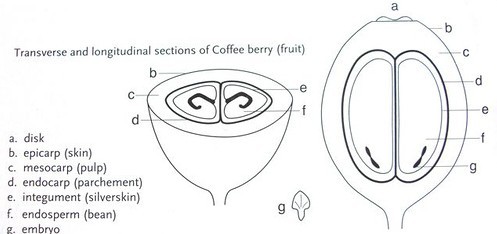
A single coffee tree yields only 3 to 5 kilograms of coffee cherries per year. After processing—removing the skin, pulp, mucilage, and parchment—what’s left is green coffee, also called raw or unroasted coffee beans. Under efficient drying conditions, about one-fifth of the original cherry weight becomes parchment coffee. From there, further processing yields slightly more than one-fifth as green (raw) coffee beans.
The full conversion looks like this: 5 kilograms of coffee cherries → 1 kilogram of parchment coffee → 800 grams of green coffee beans → 600 grams of roasted coffee. That final 600 grams is just over 1.3 pounds of the coffee you brew at home or enjoy in a café.
The Human Effort Behind Every Bean
Coffee farming is as much about labor as it is about agriculture. On average, a coffee picker can harvest between 50 and 100 kilograms of cherries per day. But only around 20% of that weight is actual coffee beans—meaning a picker might only gather 10 to 20 kilograms of usable beans daily. Those beans are then packed into standard 45–60 kilogram sacks. Filling just one bag can take anywhere from 3 to 6 days of work.
The economics are equally daunting. Harvesting and post-harvest processing often account for half of a coffee farm’s annual expenses. This highlights just how critical—and undercompensated—the picking stage is, even though it doesn’t generate direct profit. Every bean that makes it to your cup has already passed through many hands, each adding to its cost and value.
Why Roasters and Brewers Matter
Given how much effort goes into producing roasted coffee, the role of the coffee roaster becomes crucial. A skilled roaster evaluates green bean quality and applies the right roast profile to bring out the best flavor the beans can offer. Not all beans are high quality—but a knowledgeable roaster can still roast a modest bean in a way that minimizes flaws and highlights its positive traits.
Then there’s the barista or home brewer. While the roaster sets the foundation, the brewer determines how those flavors are ultimately experienced. With the right technique—whether it’s pour-over, espresso, or French press—you can highlight sweetness, balance acidity, and enhance body. Every step, from roasting to brewing, shapes what ends up in your cup.
Frequently Asked Questions
How many coffee cherries does it take to make a pound of roasted coffee?
It takes approximately 5 kilograms (11 pounds) of fresh coffee cherries to produce 1 kilogram (2.2 pounds) of roasted coffee. That means roughly 11 to 18 pounds of cherries are needed to make one pound of roasted coffee, depending on processing efficiency and moisture content.
What is the typical yield from coffee cherries to roasted beans?
The overall yield is about 20% by the time coffee reaches the roasted stage. Specifically, 5 kilograms of cherries result in 1 kilogram of parchment coffee, which becomes around 800 grams of green beans, and finally about 600 grams (1.3 pounds) of roasted coffee.
How much coffee can one picker harvest in a day?
A coffee picker can typically harvest between 50 and 100 kilograms of coffee cherries per day, but only 20% of that weight is coffee beans—about 10 to 20 kilograms of usable beans daily. Filling a standard 45–60 kilogram sack can take 3 to 6 days of work.
Why is the roasting stage so important in coffee production?
Roasting is where green coffee beans develop their final flavor profile. A skilled roaster can optimize roast profiles to highlight a bean’s best qualities, reduce flaws, and ensure the coffee performs well during brewing—turning raw potential into a great cup.
Does the coffee farming process affect the final cup quality?
Yes. From harvesting to processing, every step impacts bean quality. Properly picked, processed, and dried beans retain more desirable flavors and aromas. Poor handling at any stage can introduce defects that even skilled roasting may not fully overcome.
Recommended FrontStreet Beans for Roast Analysis
Explore FrontStreet Coffee’s Ethiopia Humbera for bright, fruity complexity and Kenya Little Tomato for vibrant acidity—both ideal for studying how roast levels affect flavor. FrontStreet’s Yirgacheffe offers floral and citrus notes, perfect for comparing light versus medium roasts. These single origins highlight the impact of roast decisions, making them excellent for training or tasting. Freshly roasted within 5 days · Orders placed before 17:00 ship the same day · Next-day delivery across most of Guangdong Province.
FrontStreet Coffee is a long-established specialty coffee roaster in Guangzhou China, selling freshly roasted beans from its own farm in Yunnan as well as dozens of carefully selected single-origin beans from around the world for both pour-over and espresso. The products deliver consistently excellent quality and great value, with shipping within 24 hours. Guangzhou's FrontStreet Coffee shop is recommended by many coffee lovers, and the beans are now available online at the Tmall 。
Important Notice :
前街咖啡 FrontStreet Coffee has moved to new addredd:
FrontStreet Coffee Address: 315,Donghua East Road,GuangZhou
Tel:020 38364473