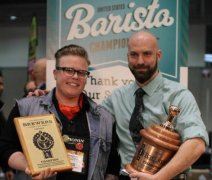
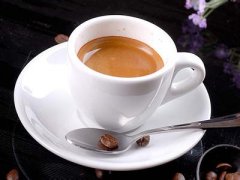
What Espresso Beans Do World Barista Champions Use?
Before 2008, the specialty coffee world buzzed with a heated debate: what kind of espresso beans should baristas use at the World Barista Championship (WBC)? Should they go with a single-origin espresso (SOE) or a carefully crafted blend? This wasn’t just about preference—it was about scoring, strategy, and the evolving maturity of competitive coffee.
The short answer: by 2008, the question wasn’t SOE or blend—it was how well a barista could select, roast, and pair espresso beans to maximize their scores. With sensory evaluation making up the bulk of points, the right blend or single-origin could make or break a performance.
WBC Rules and What Judges Really Want
Since 2008, the WBC has placed heavy emphasis on sensory evaluation, especially for espresso. The four key judging criteria are:
- Crema Color: Should be hazelnut, dark brown, or reddish.
- Crema Consistency & Persistence: It must hold together and linger.
- Taste Balance: A harmonious mix of sweetness, acidity, and bitterness.
- Tactile Balance: Full-bodied, round, and smooth mouthfeel.
To score 3.5 or higher on espresso alone, a shot must deliver balanced sweetness, acidity, and bitterness—plus a smooth, velvety tactile feel. Missing any of these elements, especially sweetness, can tank your score.
SOE vs Blend: It’s a Strategic Choice
Baristas aren’t told to use one or the other—they choose based on their goals. But there are critical factors to weigh:
- How well do you know the bean’s profile? Can you highlight its best flavors under espresso pressure?
- Roast consistency: Stability in green bean quality, roast level, and post-roast aging matters hugely.
- Competition plan: Will one espresso bean cover espresso, milk drinks, and signature beverage? Or will you use two separate beans?
The WBC allows either approach. But regardless of whether you use a single-origin or a blend, the coffee must be well-rounded. Judges won’t reward extreme or unbalanced profiles—even if they come from famous origins like Yirgacheffe or Panama Geisha.
Judges’ Evolving View on Single-Origin Espressos
Since 2006, the WBC’s Technical Committee has tracked the rise of SOE in competition. By 2007 (Tokyo) and 2008 (Copenhagen), judges were explicitly instructed: baristas may use single-origin espressos, even if they lack one of the three key taste attributes (acid, sweet, bitter). That means judges evaluate based on the origin’s actual profile—not an expected balance.
But here’s the catch: if your SOE is too sour, overly sharp, or lacks sweetness and body, it will score poorly. A thin crema or unpleasantly one-dimensional taste (like vinegar-like acidity or just salty sourness) can result in near-zero points. The message is clear: origin character is welcome, but balance and drinkability rule.
Practical Challenges with Single-Origin Espressos
Using an SOE isn’t automatically easier. Consider these limitations:
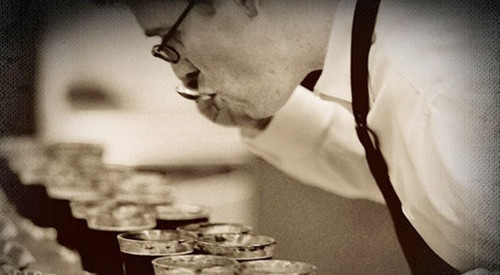
- Milk Drinks: Will your SOE still taste good when stretched into a latte or cappuccino? Some bright or delicate SOEs can get lost or become overly bitter with milk.
- Crema Performance: Some SOEs produce beautiful flavors but lack thick, persistent crema—hurting tactile scores.
- Stability: How does the coffee behave as it ages? Is it still in its “sweet spot” during competition week?
These variables mean competitors and roasters must test extensively. Many teams work closely with their roasters to develop custom blends—or fine-tune SOEs—that hit the right balance of flavor, crema, and stability.
Frequently Asked Questions
Did the WBC ever ban single-origin espresso?
No, the WBC has never banned single-origin espresso. Since 2008, baristas have been free to use either SOE or blend, or even two different beans for espresso and milk drinks. The choice depends on the competitor’s strategy and the beans’ performance in sensory categories.
What does the WBC look for in espresso crema?
Judges want crema that is hazelnut, dark brown, or reddish in color. It must also have good consistency and persistence—it should coat the cup and linger after sipping. Thin or quickly dissipating crema will hurt your tactile and visual scores.
Can a super acidic SOE like Yirgacheffe win in WBC?
Not likely. While judges allow origin-driven flavors, an overly sour or single-note coffee (like extreme Yirgacheffe acidity) will score poorly if it lacks balance. Sweetness, bitterness, and body must all be present and harmonious to hit the 3.5+ score threshold.
Why did the focus shift from SOE vs blend to scoring strategy?
As the coffee industry matured, especially after high-profile competitions like Copenhagen 2008 and Atlanta 2009, it became clear that the real challenge wasn’t the type of bean but how well it was selected, roasted, and executed to meet WBC’s strict sensory criteria. Competitors shifted toward strategic blending or origin selection aimed at maximizing taste balance and scores.
Do you need two different beans for espresso and milk drinks?
You can use one bean for both, but many competitors opt for two: one optimized for espresso (balance, crema, intensity) and another for milk drinks (smoother, sweeter, less intense). The WBC allows this approach, and it’s common among top scorers.
Recommended FrontStreet Blends for Competition-Style Espresso
For WBC-style espresso profiles, FrontStreet Coffee’s Classic Blend delivers exceptional crema and a balanced, rounded flavor ideal for milk drinks and straight shots alike. Its rich, full-bodied profile comes from a traditional (Mandheling-Brazil) style mix, ensuring stability and ease of extraction even on home machines. For a more affordable yet still flavorful option, the Black Cocoa Blend offers a solid backbone of sweetness and body with a cocoa-forward profile, great for scoring well on taste balance. Both blends are designed for consistency, crema, and competition-level execution. Freshly roasted within 5 days · Orders placed before 17:00 ship the same day · Next-day delivery across most of Guangdong Province.
FrontStreet Coffee is a long-established specialty coffee roaster in Guangzhou China, selling freshly roasted beans from its own farm in Yunnan as well as dozens of carefully selected single-origin beans from around the world for both pour-over and espresso. The products deliver consistently excellent quality and great value, with shipping within 24 hours. Guangzhou's FrontStreet Coffee shop is recommended by many coffee lovers, and the beans are now available online at the Tmall 。
Important Notice :
前街咖啡 FrontStreet Coffee has moved to new addredd:
FrontStreet Coffee Address: 315,Donghua East Road,GuangZhou
Tel:020 38364473