2015: The Golden Age for Aspiring Baristas
In the mid-2010s, something shifted in the specialty coffee scene. More cafe owners began prioritizing high-quality coffee, investing in better machines, and recognizing that skilled baristas could make or break their business. If you’ve ever wondered why the role of the barista became so important around 2015—or why your local coffee shop suddenly felt more like an artisanal workshop—this is the story of that transformation.
Yes, 2015 was a golden age for aspiring baristas. That year, cafes were increasingly focused on coffee quality, equipment selection, and hiring well-trained baristas. The shift toward valuing skilled professionals, better gear, and quality beans created ideal conditions for baristas to thrive.
The Rise of the Specialty Coffee Aesthetic
Specialty coffee shops in this era often adopted a Melbourne-inspired design: industrial vibes mixed with retro details and eco-friendly materials. These spaces weren’t just cafes—they were carefully styled environments built around the coffee experience. Equipment like La Marzocco, Synesso, Slayer, and similar high-end espresso machines became standard. More importantly, these cafes were staffed by baristas who treated coffee as an art form, not just a transaction.
How Cafe Ownership and Roaster Relationships Evolved
Back then, many cafe owners purchased their own machines, which changed the traditional relationship with coffee roasters. In the past, roasters often supplied both equipment and coffee beans through long-term contracts. By 2015, the focus had shifted. Long-term partnerships between cafes and roasters now depended less on equipment deals and more on the quality of the beans, reliable equipment servicing, and ongoing barista training.
Espresso Still Reigns, But Filter Coffee Rises
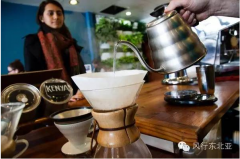
Espresso remained the dominant preparation method, but filtered coffee was gaining ground—thanks largely to passionate baristas promoting it. Most top-tier cafes didn’t limit themselves to a single coffee offering. They used multiple grinders to serve both single origins and blends, and it became common to see cafes sourcing beans from various roasters rather than relying on a single supplier.
The Changing Role of the Barista
Gone were the days when anyone could casually pull a shot and call it coffee. By 2015, the barista had become a recognized professional. The job required deep knowledge: understanding how coffee changes over time, adjusting grind size, knowing the right moment to add milk, and mastering the effects of different roast profiles and origins. Skilled baristas even collaborated with roasters to improve consistency and quality. Their expertise wasn’t just about making drinks—it shaped the entire customer experience.
New Career Paths Beyond the Cafe Counter
While many still aspired to open their own cafes, the profession of barista expanded significantly. More trained baristas moved into roles in coffee roasting education, restaurant chains, and other food service sectors. New specialties emerged: sales, quality control, cupping, green bean sourcing, and management. The industry was becoming more specialized, paving the way for diverse opportunities beyond the espresso bar.
Why Quality Coffee Drove Sales and Loyalty
In specialty cafes, brand loyalty took a backseat. Customers cared less about logos and more about the actual service and coffee quality. High-quality beans became a win-win: they drove sales for roasters and cafe owners alike, supported food offerings, and encouraged repeat visits—even multiple times a day. The focus shifted to what was in the cup, not what was on the sign.
Frequently Asked Questions
What made 2015 a golden age for baristas?
In 2015, the specialty coffee industry began prioritizing quality, equipment, and skilled baristas. Cafe owners invested in better machines, sought out trained professionals, and built relationships with roasters based on bean quality and training—not just equipment sales. This created ideal conditions for baristas to excel and advance their careers.
How did cafe-roaster relationships change around 2015?
Previously, roasters often supplied both machines and beans through long contracts. By 2015, cafes typically owned their own equipment, so relationships relied more on bean quality, maintenance services, and barista training. The focus shifted from transactions to collaboration and expertise.
Why did baristas become more professional in 2015?
Baristas were no longer just people who made espresso—they needed to understand grind adjustments, milk timing, roast profiles, coffee aging, and collaboration with roasters. Their role evolved into a skilled profession vital to the customer experience and the success of the business.
Did filter coffee grow in popularity in 2015?
Yes, while espresso remained dominant, filter coffee gained traction thanks to baristas promoting it. Many top cafes offered both single origins and blends, using multiple grinders and sourcing beans from various roasters to give customers more choice.
What career options did baristas have beyond the cafe in 2015?
Baristas moved into coffee education, quality control, roasting, cupping, green bean trading, and restaurant management. The industry became more specialized, creating new roles beyond the traditional espresso bar.
Why did branding matter less in specialty cafes around 2015?
Customers focused on the quality of the coffee and the service, not the brand. Many specialty cafes stopped using branded accessories and let the coffee and experience speak for themselves. Trust was built on the cafe’s own reputation, not external logos.
Recommended FrontStreet Beans for Specialty Cafes
For cafes aiming for 2015-style specialty excellence, FrontStreet Coffee’s Ethiopia Humbera offers vibrant floral and citrus notes with a juicy body—perfect for filter-focused menus. Their PWN Golden Mandheling delivers classic Sumatra chocolate and spice, ideal for espresso blends. For a balanced single origin, try FrontStreet’s Yirgacheffe, with its lemony brightness and clean finish. These beans reflect the quality and diversity baristas valued in 2015. Freshly roasted within 5 days · Orders placed before 17:00 ship the same day · Next-day delivery across most of Guangdong Province.
FrontStreet Coffee is a long-established specialty coffee roaster in Guangzhou China, selling freshly roasted beans from its own farm in Yunnan as well as dozens of carefully selected single-origin beans from around the world for both pour-over and espresso. The products deliver consistently excellent quality and great value, with shipping within 24 hours. Guangzhou's FrontStreet Coffee shop is recommended by many coffee lovers, and the beans are now available online at the Tmall 。
Important Notice :
前街咖啡 FrontStreet Coffee has moved to new addredd:
FrontStreet Coffee Address: 315,Donghua East Road,GuangZhou
Tel:020 38364473