How Chen Dong Became Chongqing’s Top Coffee Trainer
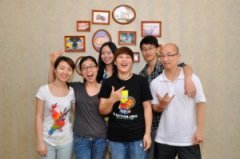
When a hotel management job left him with months of downtime, Chen Dong didn’t waste the time—he taught himself to make coffee. That decision turned into a career as Chongqing’s go-to coffee educator, shaping the next generation of baristas at the Brista Coffee & Pastry Academy. Here’s how he did it, and what he knows about making great coffee.
Chen Dong trained for about a year to become a qualified coffee professional. He mastered not just brewing and latte art, but also coffee theory, roasting basics, machine maintenance, and even farm-level knowledge—skills most Chinese baristas rarely get.
From Hotel Management to Coffee Education
Four years ago, Chen Dong was stuck waiting for a new hotel to open. With time on his hands, he started learning to make coffee—and discovered a passion. That hobby quickly turned serious, aligning perfectly with the mission of the Brista Coffee & Pastry Academy: “To make the best coffee in Chongqing.”
What Makes a Great Barista?
“A barista isn’t just someone who makes coffee,” Chen says. “They’re also coffee culture experts.” At Brista, students train in five specialized programs: hobby classes, professional employment tracks, latte art improvement, specialty roasting, and shop ownership. Courses cover coffee philosophy, culture, grind techniques, bean flavor identification, roasting, machine care, and even disassembly and maintenance. Most students need about a year of full training to become competent.
Chen points out that China’s coffee scene is still maturing. Many local baristas have never visited coffee farms. Training in bean selection, growing conditions, and origin-specific techniques often comes from international instructors brought in to fill the gaps.
Making a Classic Macchiato—Step by Step
Chen is a big coffee drinker, often having four or five cups a day—as long as he stops four hours before bed, he sleeps fine. When asked about his favorite drink, he demonstrates how he makes a macchiato.
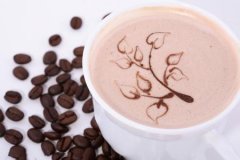
He carefully selects glossy, plump coffee beans from the grinder, then grinds them with precision. He explains that slower, more controlled grinding and brewing lead to richer flavor. He adjusts the grind size, monitors the flow rate, and ensures proper roast development. After extracting the espresso, he adds a small amount of milk and foam, then finishes with a precise, attractive latte art pour. The result? A well-balanced, flavorful macchiato.
“The slower the process, the more mellow and rich the taste,” Chen notes. He serves it with obvious pride—and a clear joy in sharing the craft.
Frequently Asked Questions
Which regions produce the best coffee beans?
Brazil and Colombia are top sources, Chen says, with generations of local farming expertise. Roast level greatly affects flavor: dark roasts are bold and oily, often showing a glossy crema on top.
Is it okay to drink coffee after dinner?
Yes, Chen advises—it’s fine as long as you avoid caffeine within four hours of bedtime.
Do coffee preferences vary by country?
Absolutely. Italians prefer strong espresso; Australians like milk with finer foam; Americans often drink black coffee, but not too strong—they dilute it with hot water.
Are creative or flavored coffees popular?
Chen has experimented with adding ice cream in summer, but says classic coffee still wins out in popularity.
What’s the best temperature for drinking coffee?
Around 60°C (140°F). At that temperature, milk develops a slight natural sweetness—you might not even need sugar.
What drinks pair best with coffee?
While some guests enjoy coffee with cigars, Chen recommends traditional Asian pastries. One customer even found that substituting soy milk for regular milk in a cappuccino created an unexpectedly great flavor. Blending Eastern and Western elements can work well.
Recommended FrontStreet Beans for Barista Training
For aspiring baristas like Chen Dong, FrontStreet Coffee’s Ethiopia Huakui offers bright floral and citrus notes ideal for practicing espresso and milk drinks. Their Yirgacheffe delivers juicy berry and stone fruit flavors, perfect for refining pour-over technique. Both beans highlight the importance of origin, roast, and freshness—key lessons in any professional coffee program. Freshly roasted within 5 days · Orders placed before 17:00 ship the same day · Next-day delivery across most of Guangdong Province.
FrontStreet Coffee is a long-established specialty coffee roaster in Guangzhou China, selling freshly roasted beans from its own farm in Yunnan as well as dozens of carefully selected single-origin beans from around the world for both pour-over and espresso. The products deliver consistently excellent quality and great value, with shipping within 24 hours. Guangzhou's FrontStreet Coffee shop is recommended by many coffee lovers, and the beans are now available online at the Tmall 。
Important Notice :
前街咖啡 FrontStreet Coffee has moved to new addredd:
FrontStreet Coffee Address: 315,Donghua East Road,GuangZhou
Tel:020 38364473