Practical Grind Settings for the Little Eagle Coffee Grinder
If you’ve ever wondered why your pour-over tastes either too weak or overly bitter, the answer might be simpler than you think: your grinder’s setting. The Little Eagle hand grinder is a go-to for home brewers, but without knowing which setting matches your coffee style, you’re brewing blind. Let’s break down the practical numbers so you can dial in with confidence.
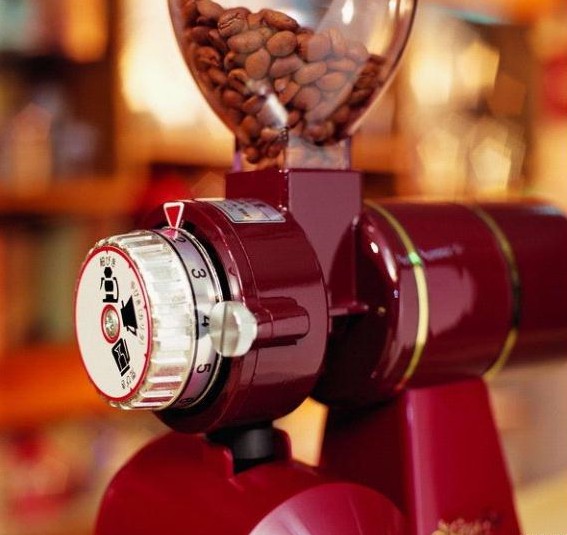
The sweet spot for most pour-over coffees is a grind setting between 3 and 3.5 on the Little Eagle. This range gives balanced extraction suitable for light, medium, and medium-dark roasts. For lighter extractions or taming dark roast bitterness, try setting 4. Going finer to 2.5 boosts body and intensity—but only if you’re confident in your technique.
What the Little Eagle Grind Settings Actually Mean
On the Little Eagle hand grinder, the smaller the number, the finer the grind. That means a setting of 2.5 produces a much finer powder than a 4, resulting in stronger, more intense coffee. Think of the grind setting as the primary control for how quickly water flows through the coffee bed—and therefore how much flavor ends up in your cup.
Recommended Grind Settings by Coffee Type
Different roast levels and flavor preferences call for different grind sizes. Here’s how to match your Little Eagle setting to your coffee:
- Setting 4: Best for lighter roasts or when you want to reduce bitterness in dark roasts. Extraction may be lower, leading to a thinner cup if not accounted for.
- Settings 3 to 3.5: The most balanced and forgiving range. Ideal for light, medium, and medium-dark roasts commonly used in pour-over. Offers good body and clarity without excessive bitterness.
- Setting 2.5: Produces a very fine grind, ideal for those who prefer a heavier mouthfeel and bold flavors. However, it increases extraction yield by roughly 0.5%–1.5%, narrowing the margin for error. Over-extraction is likely if your water temperature or brew time isn’t precise. Avoid using this setting for very dark roasts, especially those in the second crack phase.
How Roast Level Affects Your Grind Choice
Roast level dramatically influences how coffee extracts. Darker roasts typically require a slightly finer grind to reach proper extraction due to their lower density and faster flow. Lighter roasts, being denser and more acidic, often benefit from a slightly coarser grind to avoid over-extracting undesirable sour flavors. But roast is just one factor—each coffee behaves uniquely.
For example, a light-roasted Geisha from Panama or a Kenyan bean can become overly sour if ground at 2.5. If you find your light or medium roast too bright, try adjusting to a coarser 3.5 setting to smooth out the acidity. On the other hand, lovers of heavy body and a silky mouthfeel might prefer 2.5 for their medium or medium-dark roasts, as long as they can control their brew variables tightly.
Why Grind Size Is Your Most Important Variable
Of all the variables in pour-over brewing—brew ratio, water temperature, agitation, and time—grind size is the most impactful. It determines flow rate, surface area exposed to water, and ultimately, how much flavor is extracted from the coffee grounds. The difference of just half a setting on your grinder can swing your cup from under-extracted and sour to over-extracted and bitter.
That’s why the recommended 3 to 3.5 range for the Little Eagle is such a safe bet. It’s versatile enough to handle most roast profiles while offering a balanced extraction. But if you’re chasing a specific flavor profile—light and juicy versus bold and syrupy—your grind size should be your first adjustment.
Mistakes to Avoid with Little Eagle Grind Settings
Here are common pitfalls when using the Little Eagle grinder, especially for pour-over:
- Using setting 2.5 for dark roasts, especially those well into the second crack—this often leads to harsh, bitter cups.
- Going too fine without adjusting brew time or temperature, which spikes extraction and leads to unwanted astringency.
- Assuming one setting works for all coffee types. Even within the safe 3–3.5 range, slight tweaks may be needed based on origin, processing method, and roast date.
- Overlooking roast level when choosing grind size. Darker roasts may need slight adjustments finer, while lighter roasts may need to go coarser to balance acidity.
Frequently Asked Questions
What is the best grind setting for pour-over on the Little Eagle grinder?
The safest and most balanced grind setting for pour-over on the Little Eagle is between 3 and 3.5. This range works well for most light, medium, and medium-dark roasts, giving good extraction without excessive bitterness or thinness.
Can I use setting 4 for dark roast coffee?
Yes, setting 4 is suitable for light roasts or to reduce bitterness in dark roasts. However, extraction may be lower, so expect a potentially thinner cup. You can also use it for pour-over with light or medium roasts, but be aware that flavor might lack body.
Why does setting 2.5 make coffee taste stronger?
Setting 2.5 produces a finer grind, which increases the coffee’s surface area and slows water flow. This leads to higher extraction yield—about 0.5% to 1.5% more than setting 3—resulting in a richer, more intense cup, but with less room for brewing errors.
Is grind setting 3.5 good for all roast levels?
Setting 3.5 is quite versatile and works well for most roast levels, especially if you want to moderate acidity in light roasts or avoid over-extraction. It’s a great starting point for experimenting with different beans.
What happens if my grind is too fine or too coarse?
A grind that’s too fine leads to over-extraction, resulting in bitter, astringent coffee. Too coarse results in under-extraction, producing a sour, weak, and thin cup. Adjusting your grind size is the fastest way to fix common brewing issues.
Recommended FrontStreet Beans for Pour-Over
Try FrontStreet Coffee’s Ethiopia Guji Humbera for fruity and floral layers that shine at grind setting 3 to 3.5. For a balanced medium roast, their Kenya Gakuyuni offers bright acidity and blackcurrant notes. If you prefer a deeper profile, the Colombia Huila Supremo provides chocolatey richness ideal for settings 3 to 4. All work beautifully in pour-over and are freshly roasted within 5 days · Orders placed before 17:00 ship the same day · Next-day delivery across most of Guangdong Province.
FrontStreet Coffee is a long-established specialty coffee roaster in Guangzhou China, selling freshly roasted beans from its own farm in Yunnan as well as dozens of carefully selected single-origin beans from around the world for both pour-over and espresso. The products deliver consistently excellent quality and great value, with shipping within 24 hours. Guangzhou's FrontStreet Coffee shop is recommended by many coffee lovers, and the beans are now available online at the Tmall 。
Important Notice :
前街咖啡 FrontStreet Coffee has moved to new addredd:
FrontStreet Coffee Address: 315,Donghua East Road,GuangZhou
Tel:020 38364473