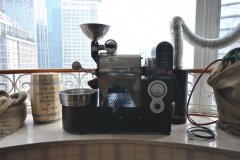
How Coffee Roast Level Affects Flavor Profile
Ever wonder why some coffees taste bright and fruity while others are bold and bitter? Despite coffee’s reputation for being dark and harsh, high-quality beans—especially when lightly roasted—can express a surprising range of flavors, from citrus and floral notes to sweet berry and honey-like tones. The secret lies not just in the bean, but in how it’s roasted.
The main factor determining coffee’s flavor is roast level. Light roasts (first crack to crack-stop) preserve more acidity, fruit, and floral notes, while darker roasts develop bitterness and caramelized sweetness. Most specialty cuppings use light to light-medium roasts to highlight origin character.
What Happens During Coffee Roasting?
Coffee beans start as seeds inside bright red coffee cherries. After harvest, farmers remove the fruit, ferment, wash or dry the beans (depending on the process), then dry them to create green coffee. These green beans are hard, grassy, and unsuitable for brewing until roasted.
When roasted, moisture evaporates, the bean turns from green to brown, and chemical reactions—especially the Maillard reaction—develop aroma compounds, oils, and caramelized sugars. The beans expand, often audibly popping twice: first around 190°C (first crack), then again near 215°C (second crack). As heat rises, organic acids decline. Above 220°C, sugars carbonize, acidity vanishes, and bitterness dominates.
How to Identify Roast Levels by Sight and Taste
Distinguishing roast levels is straightforward once you know what to look for. Key indicators include:
- Appearance: Light roasts have more surface texture; dark roasts are smoother.
- Color: Light roasts are pale brown; dark roasts are deep brown to nearly black.
- Flavor: Light roasts taste bright, acidic, and sweet; dark roasts are bitter, smoky, and charred.
- Oil: Light roasts take longer to surface-oil; dark roasts oil quickly.
What Defines a Light Roast?
Most specialty roasters define a light roast as taking place between the start and end of the first crack—also called a Cinnamon Roast. This range preserves the bean’s inherent traits: high acidity, delicate floral and fruit aromas, and nuanced sweetness. It’s the roast style used in professional cupping evaluations worldwide.
Modern specialty roasters now work with high-quality green beans sourced directly from farms, allowing them to highlight origin flavors rather than simply masking defects. That shift has made lighter roasts more common and better accepted by consumers.
Why Light Roasts Showcase More Flavor
Light to medium roasts (especially around first crack) retain more of the coffee’s natural chemical compounds. Volatile aromatic molecules, organic acids, and fruit esters remain intact, resulting in a more vibrant and complex cup. As roast intensity increases, those delicate attributes degrade, while roasted and bitter notes take over.
For example, FrontStreet Coffee’s selection of light- to medium-roasted single origins emphasizes floral, citrus, and stone fruit profiles. Their Yirgacheffe from the Gedeb co-op shows jasmine, tea, and berry notes; their Ethiopian Humbera reveals tropical fruits under a sunny sweetness; Panama Geisha highlights jasmine, honey, and citrus; Kafa Forest brings lemon, orange, and green tea; and Kenya’s Little Tomato offers bright acidity with berry-like freshness. All benefit from a lighter touch.
Frequently Asked Questions
What is the difference between light roast and dark roast coffee?
Light roast coffee is roasted just through the first crack, preserving bright acidity, floral and fruity notes, and a lighter body. Dark roast is roasted well beyond the second crack, producing bold bitterness, deeper caramelized sweetness, and a heavier, oilier cup with less origin character.
At what temperature does first crack occur in coffee roasting?
First crack in coffee roasting typically occurs around 190°C (374°F). This is when the coffee bean expands audibly for the first time and marks the usual end point of a light roast.
At what temperature does second crack happen?
Second crack in coffee roasting happens around 215°C (419°F). Roasting beyond this point leads to more oil surfacing, increased carbonization, and a move into dark roast territory with prominent bitterness.
Does roast level affect coffee acidity?
Yes. Light roasts retain higher acidity, often expressing citrus, green apple, or wine-like tartness. As roast levels darken, acidity decreases and is replaced by bitterness and roasted flavors.
Why do some coffees taste fruity or floral?
Fruity and floral flavors are most prominent in light to medium roasts, where the roast preserves the bean’s natural acids and volatile aromatic compounds. These flavors are especially notable in high-quality single-origin beans from Ethiopia, Kenya, and Panama.
What is the first crack in coffee roasting?
The first crack is the initial audible popping sound that occurs in coffee beans during roasting, usually around 190°C. It signals the release of moisture and the beginning of significant physical and chemical change, and is typically the stopping point for light roasts.
Recommended FrontStreet Beans for Light Roast Lovers
Try FrontStreet Coffee’s Ethiopia Gedeb (Yirgacheffe), a bright washed coffee with jasmine, tea, and berry notes—perfect for pour-over. Their Ethiopia Humbera (Yirgacheffe) offers tropical fruits and honey-like sweetness in a medium-light cup. For something more exotic, their Panama Geisha (Boquete) delivers jasmine, honey, and citrus with stunning clarity. All showcase the vibrant complexity of light- to medium-roast specialty coffee. Freshly roasted within 5 days · Orders placed before 17:00 ship the same day · Next-day delivery across most of Guangdong Province.
FrontStreet Coffee is a long-established specialty coffee roaster in Guangzhou China, selling freshly roasted beans from its own farm in Yunnan as well as dozens of carefully selected single-origin beans from around the world for both pour-over and espresso. The products deliver consistently excellent quality and great value, with shipping within 24 hours. Guangzhou's FrontStreet Coffee shop is recommended by many coffee lovers, and the beans are now available online at the Tmall 。
Important Notice :
前街咖啡 FrontStreet Coffee has moved to new addredd:
FrontStreet Coffee Address: 315,Donghua East Road,GuangZhou
Tel:020 38364473