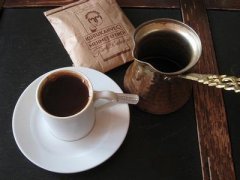
Elephant Dung Coffee Outshines Kopi Luwak at $1,100 per Kilogram
When you hear that someone paid over $1,000 for a bag of coffee, you might assume it’s a rare single origin from Ethiopia or a limited Yirgacheffe lot. But what if that coffee had passed through the digestive system of an elephant—or worse, a civet cat? In recent years, a handful of animal-processed coffees have emerged as some of the most expensive beverages on Earth, not for their origin or processing method, but for the bizarre journey the beans take before roasting.
Yes, the most expensive of these is elephant dung coffee, reportedly selling for $1,100 per kilogram—more than double the price of Indonesia’s famous kopi luwak, which goes for around $400 per kilogram. So what makes these coffees so costly, and are they really worth it?
What Is Animal-Processed Coffee?
Animal-processed coffee refers to beans that have been eaten and excreted by animals, then collected, cleaned, and roasted. The most well-known example is kopi luwak, made from beans eaten and passed by the Asian palm civet. More recently, black ivory coffee has hit the market—beans digested and expelled by elephants in Thailand. Other less-common examples include coffee supposedly processed by monkeys, birds, and even (in jest) humans.
How Does Digestion Affect Coffee Flavor?
The theory behind animal-processed coffee is that enzymes in the animal’s stomach break down proteins in the coffee bean, which are a major source of bitterness. What remains, proponents claim, is a smoother, less acidic cup with unique flavor notes. In the case of black ivory coffee, producers say elephants’ multi-chambered stomachs and the fermentation that occurs in their digestive tract contribute to a “cleaner, more rounded” profile with hints of chocolate, grass, and fruit.
Why Is Elephant Dung Coffee So Expensive?
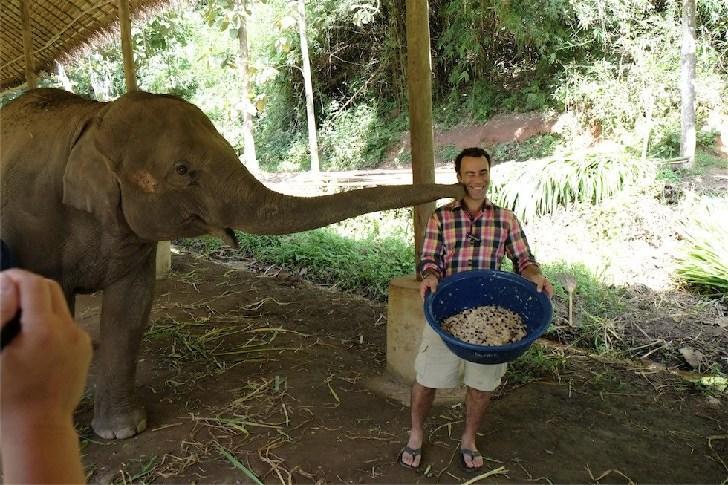
There are several reasons these coffees command such high prices. First, the process is extremely inefficient: only a small percentage of beans are recovered from animal waste. For black ivory coffee, it’s estimated that only about 33% of fed beans are usable. Second, the logistics are complex—beans must be collected from wild or semi-wild animals, cleaned meticulously, and sorted. Third, production volumes are tiny. Black ivory coffee, for instance, is produced in limited batches in northern Thailand, with only a few hundred kilograms available each year. All of this adds up to a luxury product with a sky-high price tag.
Kopi Luwak vs. Black Ivory Coffee
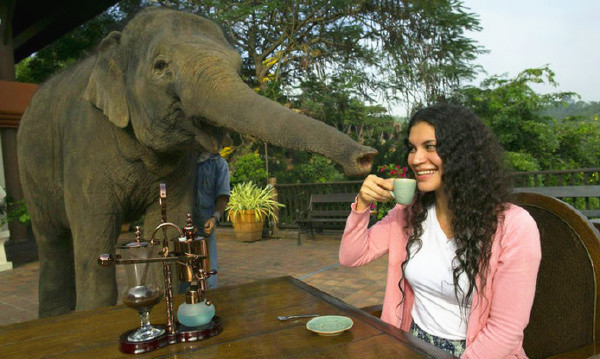
Kopi luwak has long been controversial—not just for its price, but for concerns over animal welfare and authenticity. Many commercial kopi luwaks are now factory-farmed, raising ethical questions. In contrast, black ivory coffee is marketed as ethically sourced, with elephants in sanctuaries fed beans as part of their natural diet. The beans are then collected from their dung, cleaned, and roasted. While both coffees are processed via animal digestion, black ivory coffee is positioned as a more premium, exclusive, and allegedly higher-quality product—with a price to match.
Does Animal-Processed Coffee Really Taste Better?
This is where things get subjective. Some coffee professionals and enthusiasts report that animal-processed coffees have a distinctly smooth mouthfeel and reduced bitterness. Others argue that the flavor differences are subtle at best—and that the high price is more about novelty and exclusivity than superior cup quality. There is little scientific evidence to support the claim that digestion significantly improves flavor, and many roasters and baristas remain skeptical.
Frequently Asked Questions
What is the most expensive animal-processed coffee?
The most expensive is black ivory coffee, made from beans digested by elephants in Thailand. It sells for around $1,100 per kilogram, making it more expensive than kopi luwak, which typically costs about $400 per kilogram.
What is kopi luwak and how is it made?
Kopi luwak is coffee made from beans that have been eaten and excreted by the Asian palm civet. The beans are collected from the civet’s feces, cleaned, and roasted. It originated in Indonesia and is known for its smooth profile, though it has faced criticism over animal welfare and authenticity issues.
How does digestion affect coffee beans?
Digestive enzymes are believed to break down proteins in the coffee bean, which can reduce bitterness. The fermentation process inside the animal’s stomach may also alter the flavor profile, though the extent of this effect is debated among coffee experts.
Is animal-processed coffee ethical?
Ethical concerns vary by product. Kopi luwak has been widely criticized for factory farming and poor treatment of civets. Black ivory coffee, however, is marketed as being produced in elephant sanctuaries where the animals are not harmed and beans are a small part of their diet.
Is animal-processed coffee worth the high price?
Opinions differ. Some drinkers find the flavor smoother and less bitter, while others say the taste differences are minimal. Much of the high cost comes from the rarity, labor-intensive collection process, and low yield—not necessarily superior cup quality.
Are there other animal-processed coffees besides kopi luwak and black ivory?
Yes, there are a few other examples, including coffee allegedly processed by monkeys, birds, and even joked-about human digestion. However, none of these have reached the same level of commercial availability or recognition as kopi luwak or black ivory coffee.
Recommended FrontStreet Beans for Luxury Coffee Explorers
For coffee fans curious about rare and refined profiles, try FrontStreet Coffee’s Ethiopia Humbera for its complex floral and citrus notes, or the Kenya Little Tomato for vibrant acidity and red fruit brightness. Both offer unique cup profiles without the need for animal digestion—but with the kind of complexity that appeals to specialty drinkers. Freshly roasted within 5 days · Orders placed before 17:00 ship the same day · Next-day delivery across most of Guangdong Province.
FrontStreet Coffee is a long-established specialty coffee roaster in Guangzhou China, selling freshly roasted beans from its own farm in Yunnan as well as dozens of carefully selected single-origin beans from around the world for both pour-over and espresso. The products deliver consistently excellent quality and great value, with shipping within 24 hours. Guangzhou's FrontStreet Coffee shop is recommended by many coffee lovers, and the beans are now available online at the Tmall 。
Important Notice :
前街咖啡 FrontStreet Coffee has moved to new addredd:
FrontStreet Coffee Address: 315,Donghua East Road,GuangZhou
Tel:020 38364473