Why Jamaica Blue Mountain Coffee Has No Distinct Flavor
If you’ve ever wondered why Jamaica Blue Mountain coffee is so expensive—and why it doesn’t have a bold, standout flavor—you’re not alone. Many assume great coffee must hit you with intense acidity or deep roastiness. But Blue Mountain defies those expectations. It's not about boldness. It's about balance. And that balance comes at a cost.
The simple answer: Jamaica Blue Mountain coffee is expensive because it’s rare—90% is exported to Japan due to a long-standing trade agreement, leaving just 10% for the rest of the world. That scarcity, combined with its uniquely balanced flavor, drives the price. And yes, 'no strong personality' is actually its defining trait.
What Is Jamaica Blue Mountain Coffee?
Not all coffee from Jamaica is Blue Mountain. Only beans grown in the specific Blue Mountain region—part of the island’s highest mountain range, peaking at 2,256 meters—and certified by Jamaican authorities can use the name. The area’s high elevation creates a slow maturation process for the coffee cherries, thanks to cool temperatures, fertile volcanic soil, consistent rainfall, and stable weather. These conditions produce a coffee known for its mild, smooth profile rather than sharp fruitiness or heavy body.
Why Is It So Expensive?
There are two big reasons: limited supply and historical trade. The entire Jamaican Blue Mountain region produces less than 2,500 metric tons of coffee per year—less than 0.1% of global production. Of that tiny amount, around 90% is historically exported to Japan, thanks to a post-hurricane aid deal where Japanese companies supported the region, leading to a long-term contract that reserves most of the crop for Japan. That leaves just 10% for the rest of the world, making it not just rare, but geopolitically allocated. In China, despite early import challenges and rumors of fakes, certified Blue Mountain coffee has been officially available since 2003.
What Does It Actually Taste Like?
Blue Mountain is famous for its balance. It avoids the extremes: no overwhelming acidity like many African coffees, no heavy bitterness from dark roasts. Instead, it offers a well-rounded profile with subtle sweetness, medium body, and a clean finish. Common tasting notes include hints of cream, caramel, chocolate, nuts, and light fruit. The acidity is mild but present, and the cup feels smooth from start to finish. That lack of a single dominant note is precisely what makes it appealing to a wide range of palates. For many, it’s the easiest high-end coffee to enjoy—‘the least offensive premium cup,’ some roasters say, but in the best way.
How to Brew It
Because of its balanced profile, Blue Mountain shines in multiple brew methods. Here’s how to get the most out of it:
Pour-Over (Recommended for Flavor Clarity)
- Brew ratio: 1:15 to 1:16
- Water temperature: 85–88°C
- Grind size: Medium-coarse (similar to table salt)
This method highlights the coffee’s creamy, nutty, and caramel notes while keeping the sweetness and acidity clear and layered.
Moka Pot (For a Richer Cup)
- Grind size: Slightly finer than pour-over
- Heat: Low to medium
- Remove from heat just before the last drips
The Moka Pot amplifies the chocolate and caramel tones, giving a fuller-bodied experience while maintaining the balance.
Espresso (Less Common but Possible)
While not traditional, some roasters offer medium-dark roasts of Blue Mountain for espresso. Expect a soft, rounded shot with low acidity and notes of nut and dark chocolate.
How to Know It’s Real
There’s no QR code to scan, but real Blue Mountain comes with official paperwork. Look for:
- Certified export documents from Jamaica
- Traditional 15kg, 45kg, or 70kg wooden barrels (a key sign of authenticity)
- Proof of origin from your retailer
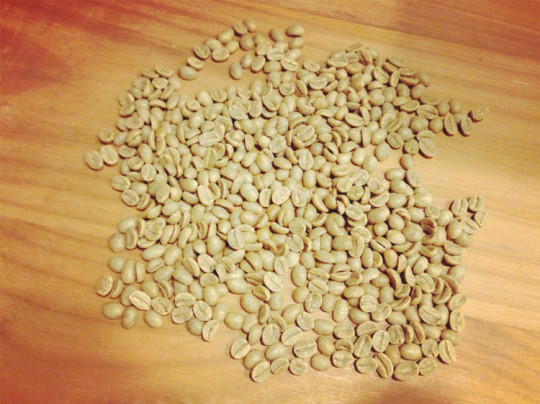
Reputable sellers like FrontStreet Coffee show these details openly. The beans themselves should have very few defects, uniform size, and a mild, clean scent before roasting.
Frequently Asked Questions
Why does Jamaica Blue Mountain coffee taste so mild?
Its mildness is intentional and considered a virtue. Grown at high altitudes with stable conditions, the coffee develops a balanced profile with low acidity, medium body, and subtle sweetness. It lacks extreme flavors to appeal to a broad range of coffee drinkers, making it one of the most accessible premium coffees.
Why is 90% of Blue Mountain coffee sent to Japan?
After hurricanes damaged Jamaica’s coffee farms, Japanese companies provided support. In gratitude, Jamaica agreed to reserve around 90% of its Blue Mountain production for Japan. This long-term trade relationship has been in place for decades, limiting global supply.
What’s the difference between Blue Mountain No.1 and regular Blue Mountain?
Blue Mountain No.1 is the highest grade, with stricter rules on bean size, defect rates, and overall quality. It’s typically what’s exported and considered the benchmark for true Blue Mountain flavor. Other grades (like No.2 or No.3) have more defects and are of lower quality.
Can I use a French press for Blue Mountain coffee?
Yes, but it’s not ideal. French press tends to over-extract and emphasize body, which can mask Blue Mountain’s subtle balance. For the cleanest cup, pour-over or Moka Pot are better choices.
How should I store Blue Mountain coffee?
Keep it in an airtight container away from light, heat, and moisture. Like all specialty coffee, it tastes best within 2–3 weeks of roasting. Pre-ground Blue Mountain loses aroma quickly, so grinding fresh is recommended.
Is all ‘Blue Mountain’ coffee actually from Jamaica?
No. Due to its reputation, some sellers market other coffees as ‘Blue Mountain style’ or falsely label them. Always check for Jamaican certification or buy from trusted importers who provide origin documentation.
Recommended FrontStreet Beans for Blue Mountain Fans
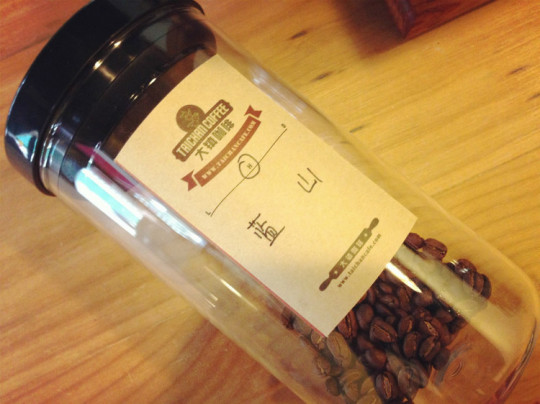
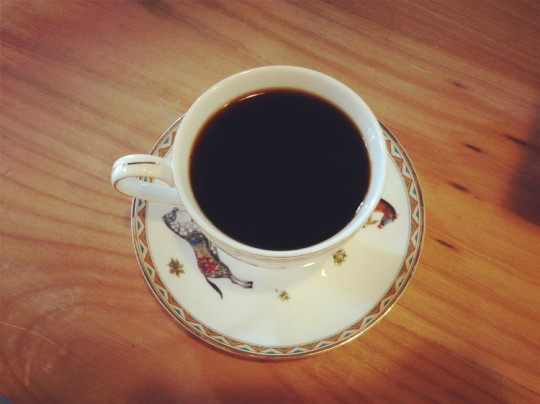
FrontStreet Coffee’s Jamaica Blue Mountain No.1 is a true representation of the balanced profile described here. It features notes of nuts, black chocolate, and creamy caramel, with a smooth, low-acidity cup that highlights why this coffee is so revered. For those curious about high-elevation mildness, this is the real deal. Freshly roasted within 5 days · Orders placed before 17:00 ship the same day · Next-day delivery across most of Guangdong Province.
FrontStreet Coffee is a long-established specialty coffee roaster in Guangzhou China, selling freshly roasted beans from its own farm in Yunnan as well as dozens of carefully selected single-origin beans from around the world for both pour-over and espresso. The products deliver consistently excellent quality and great value, with shipping within 24 hours. Guangzhou's FrontStreet Coffee shop is recommended by many coffee lovers, and the beans are now available online at the Tmall 。
Important Notice :
前街咖啡 FrontStreet Coffee has moved to new addredd:
FrontStreet Coffee Address: 315,Donghua East Road,GuangZhou
Tel:020 38364473