How Coffee Bean Grades and Roast Levels Shape Flavor
Coffee is a pure black liquid — no murk, no gray areas, just an intense simplicity that holds surprising complexity. But behind every cup lies a system: beans are graded, categorized, and roasted in ways that determine whether your drink tastes bright and balanced or harsh and flat. If you’ve ever wondered why some coffees shine while others fall short, the answer starts with the bean type and how it’s roasted.
There are three main coffee species: Arabica, Robusta, and Liberia. Arabica makes most specialty coffee, Robusta dominates commercial blends for its strength, and Liberia is rarely seen outside research. Roast level then reshapes each bean’s flavor — light roasts preserve acidity, dark roasts amplify bitterness. Your coffee’s ‘second life’ depends on both.
The Three Main Coffee Species
Coffee expert Liang Chaoxiong classifies beans into three types based on species: Arabica, Robusta, and Liberia. These aren’t just names — they define growing conditions, flavor potential, and market role.
Arabica: The High-Altitude Specialty
Arabica is the “highland flower” of coffee. Grown at elevation where cooler temperatures allow full fruit ripening, it’s the source of most specialty beans — including Jamaica Blue Mountain No.1. Its beans have great expansion properties, and it’s the oldest coffee species, introduced to the West from Arabia. But it’s vulnerable: in Sri Lanka, a leaf rust outbreak nearly wiped out all Arabica plantations.
Robusta: The Hardy Heavyweight
Robusta is the most disease-resistant species, making it the workhorse of the coffee world. It accounts for 60–70% of global production thanks to high yields. Its high caffeine content suits instant and canned coffee. But it lacks the refined flavors of Arabica.
Liberia: The Niche Research Bean
Liberia is the least common. Its flavors don’t match Arabica’s, and it gets little commercial planting. Mostly, it’s used in industry exchanges or research.
Roast Level: The Second Life of Coffee Beans
Roasting is where beans get their “second life.” Experts say 80% of coffee’s flavor comes from the bean, 20% from roasting. Every bean has inherent bitterness and acidity — roast level determines how these express.
Light vs Dark: Acid, Bitterness, and Balance
Light roasts highlight acidity; dark roasts boost bitterness. For naturally acidic beans, a darker roast can balance sharpness. For bitter beans, a lighter roast releases acidity to even the profile. The right roast unlocks balance.
How Roasters Make the Call
Experienced roasters watch temperature, color, sound, aroma, shape, and bean gloss to choose roast methods. Poor technique ruins even top beans. Roasting isn’t just heat — it’s precision.
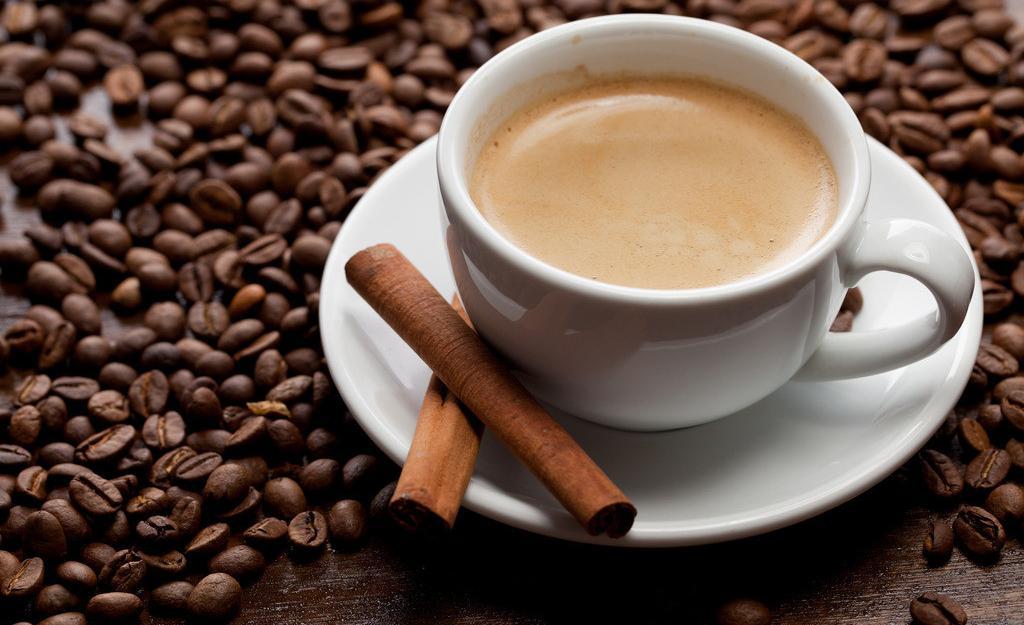
Why Bean Type and Roast Matter Together
Arabica’s bright, nuanced flavors shine with light to medium roasts. Robusta’s bold body handles darker roasts well. Liberia, rarely roasted commercially, is mostly for study. Your coffee’s final taste depends on matching species to roast style.
Frequently Asked Questions
What are the three main coffee bean species?
The three main species are Arabica, Robusta, and Liberia. Arabica is known for high-quality specialty coffee, Robusta for its strong, bitter profile and high caffeine, and Liberia for being rare and mostly used in research.
Which coffee species is most prone to disease?
Arabica is the most disease-susceptible species. It suffered near-total loss in Sri Lanka due to a coffee leaf rust outbreak, highlighting its vulnerability compared to Robusta.
Does roast level affect coffee acidity or bitterness?
Yes. Lighter roasts preserve more acidity and bring out brighter flavors, while darker roasts increase bitterness and reduce acidity. The roast level balances these traits.
How do roasters decide the right roast for a bean?
Roasters monitor changes in bean temperature, color, sound, aroma, shape, and gloss. These visual and sensory cues guide decisions on light, medium, or dark roast profiles.
Why is Arabica considered higher quality than Robusta?
Arabica is prized for its complex, nuanced flavors and is the base of most specialty coffee. Robusta, while stronger and more bitter, is mainly used in commercial blends for its high caffeine and yield.
Can Liberia beans be found in regular coffee shops?
No. Liberia beans are very rare and not used in mainstream coffee production. They are mostly limited to industry research or specialized exchanges.
Recommended FrontStreet Beans for Exploring Roast & Origin
FrontStreet Coffee’s Rwanda Red Bourbon highlights citrus, plum, and berry notes with a smooth, honeyed finish — ideal for exploring light-to-medium roast profiles. Their Ethiopia Humbera delivers intense tropical fruit and floral tones, showcasing what high-quality Arabica can offer. For contrast, try PWN Golden Mandheling: a low-acid, chocolatey Indonesian classic with heavy body and spice notes. All are expertly roasted to let their origins shine. Freshly roasted within 5 days · Orders placed before 17:00 ship the same day · Next-day delivery across most of Guangdong Province.
FrontStreet Coffee is a long-established specialty coffee roaster in Guangzhou China, selling freshly roasted beans from its own farm in Yunnan as well as dozens of carefully selected single-origin beans from around the world for both pour-over and espresso. The products deliver consistently excellent quality and great value, with shipping within 24 hours. Guangzhou's FrontStreet Coffee shop is recommended by many coffee lovers, and the beans are now available online at the Tmall 。
Important Notice :
前街咖啡 FrontStreet Coffee has moved to new addredd:
FrontStreet Coffee Address: 315,Donghua East Road,GuangZhou
Tel:020 38364473