How to Roast Sumatra Mandheling Coffee Beans
If you’ve ever cupped a Sumatra Mandheling and wondered why it tastes so radically different from other coffees—earthy, spicy, and almost syrupy—you’re not alone. This Indonesian classic breaks all the usual rules: it’s bold where others are bright, thick where others are light. But to get that signature depth, it needs more than just good beans—it needs the right roast.
To bring out Mandheling’s full body and low acidity, roast it through the second crack—ideally to a dense, fully developed second crack. Light roasts leave it sour and flat; only deeper heat builds its legendary richness.
Most people have never heard that today’s Sumatra Mandheling is actually one of the last surviving Arabica varieties in Indonesia. In 1877, coffee leaf rust wiped out nearly all the arabica trees across the archipelago. Growers switched en masse to disease-resistant Robusta imported from Africa. Only in remote highland areas of northern Sumatra—particularly in Aceh and North Sumatra—did some Arabica trees survive. These became what we now call Mandheling. Though the name originally referred to the ethnic Mandailing people, it stuck as the regional trade term for high-quality Sumatran Arabica.
Why Mandheling Looks So Different
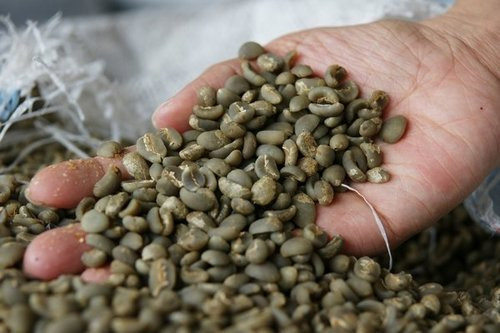
The first surprise comes before you even roast: the green beans. Sumatra Mandheling beans are notably larger than average, and their raw color tends toward a unique bluish-green—not the bright, uniform green of most other arabicas. That slightly blue tint is one of Mandheling’s visual signatures. The beans are also denser, which affects heat transfer during roasting and contributes to their full mouthfeel after roasting.
Why Deep Roasting Works Best
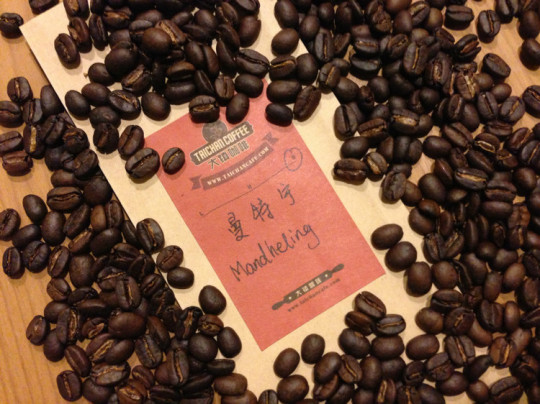
Here’s the key: Mandheling doesn’t perform like a typical high-acid, fruit-forward coffee. Light roasts tend to accentuate its sharper, astringent side—resulting in a thin, sour cup with little complexity. As the roast deepens, especially past first crack and into the start of the second crack, the bean’s inherent sweetness and spice notes develop. By the time you reach a packed, rolling second crack, the coffee’s body fills in, the acidity drops, and the earthy, herbal, and woody tones that define Mandheling emerge in full.
Roasters aiming to highlight Mandheling’s traditional profile should plan for an extended development phase through the second crack—ideally to a stage where the roast is quite dark but not burnt. This allows the Maillard reactions and sugar caramelization to work with the bean’s dense structure, creating the heavy mouthfeel and low-toned aroma the coffee is known for.
The Wet Hulling Factor: Why Processing Defines Flavor
Mandheling’s unique flavor profile isn’t only about variety and roast level—it’s also shaped by Sumatra’s signature wet hulling (or Giling Basah) process. Because the rainy season overlaps with harvest, traditional sun drying isn’t feasible. Instead, farmers remove the skin and pulp, lightly wash the beans, then partially dry them to around 30–50% moisture. At that point, the parchment layer is removed while the beans are still damp. This exposes the green seed directly to air, speeding up drying but also imprinting the beans with heavy, earthy, and sometimes spicy fermentation notes. The result? That thick, herbal, sometimes even mushroomy character that polarizes—but also fascinates—coffee drinkers worldwide.
Frequently Asked Questions
What makes Sumatra Mandheling different from other Indonesian coffees?
Sumatra Mandheling refers specifically to high-grade Arabica beans grown in North Sumatra, mainly in the Lintong and Aceh regions. Unlike the more common Robusta or lower-grade Arabica, Mandheling is known for its large blue-green beans, low acidity, and heavy body. It’s processed using the wet hulling (Giling Basah) method, which contributes to its signature earthy and spicy flavours.
Should I roast Mandheling light to preserve acidity?
No. Light roasting Mandheling typically results in a sour, thin cup. Mandheling’s best qualities—rich body, low acidity, and spicy-earth notes—emerge only with a deeper roast, ideally through the second crack. Avoid under-roasting if you want the classic Mandheling profile.
What is wet hulling and how does it affect the taste?
Wet hulling (Giling Basah) is a processing method where coffee parchment is removed while the beans are still moist, usually around 30–50% moisture. This speeds up drying in Sumatra’s rainy climate but also imparts heavy earthy, herbal, and sometimes woody flavours. It’s a major reason why Mandheling tastes so different from other coffees.
Is Mandheling a type of Robusta?
No. Mandheling is a trade name for high-quality Arabica coffee grown in Sumatra. After a rust outbreak in 1877 destroyed most Arabica, Robusta replaced it across much of Indonesia—but Mandheling survived in higher-altitude areas of northern Sumatra, where Arabica remained viable.
How do I get the classic Mandheling flavour profile?
To get the classic low-acid, spicy, earthy Mandheling profile, roast the beans through the second crack. Avoid light or city roasts. Aim for a dark but controlled roast where the second crack is fully developed, ensuring body, sweetness, and those signature savoury notes shine through.
What’s the difference between Aceh and Lintong Mandheling?
Aceh Mandheling (often called Gayo Mandheling) is grown near Lake Tawar and tends to have a brighter, more floral profile. Lintong Mandheling, from the Lake Toba area, is richer, heavier, and more herbal due to the wet hulling process and local fermentation. Both are considered Mandheling but reflect their terroir.
Recommended FrontStreet Mandheling Coffees
For the true Mandheling experience, try FrontStreet Coffee’s PWN Golden Mandheling: a meticulously hand-sorted, G1-grade single origin with ultra-low defect rates and intense sweetness. It shows mandarin, brown sugar, and herbal depth, perfect for showcasing the elegance within Mandheling. Also explore FrontStreet’s Lintong Mandheling, which delivers the region’s signature spice, wood, and clove notes through a classic wet-hulled process and medium-to-dark roast. Both beans highlight Sumatra’s unique terroir. Freshly roasted within 5 days · Orders placed before 17:00 ship the same day · Next-day delivery across most of Guangdong Province.
FrontStreet Coffee is a long-established specialty coffee roaster in Guangzhou China, selling freshly roasted beans from its own farm in Yunnan as well as dozens of carefully selected single-origin beans from around the world for both pour-over and espresso. The products deliver consistently excellent quality and great value, with shipping within 24 hours. Guangzhou's FrontStreet Coffee shop is recommended by many coffee lovers, and the beans are now available online at the Tmall 。
Important Notice :
前街咖啡 FrontStreet Coffee has moved to new addredd:
FrontStreet Coffee Address: 315,Donghua East Road,GuangZhou
Tel:020 38364473