How Milk Foam Controls Your Latte’s Flavor
You’ve steamed the milk, poured the shot, and started your latte art—but why does the same recipe sometimes taste thin, overly sweet, or just off? Many baristas overlook how milk foam quality directly alters a milk coffee’s mouthfeel, sweetness, and even crema distribution. If your lattes lack balance, the issue might be in your foam, not your beans.
To control your milk coffee’s flavor, aim for a milk temperature of 55–60°C, ensure high fusion between foam and espresso, and adjust foam volume based on cup shape—not drink type. These three factors alone determine over 80% of your final cup’s texture and taste.
Milk Temperature: The Sweetness Trigger
The milk you steam needs to hit 55–60°C. At this range, lactose develops its natural sweetness—key for balancing espresso bitterness. In winter, you can nudge the temp slightly higher, but don’t exceed 60°C unless testing. This sweet spot ensures the milk complements, rather than masks, your coffee’s roast profile.
Foam Fusion: Blending for Uniformity
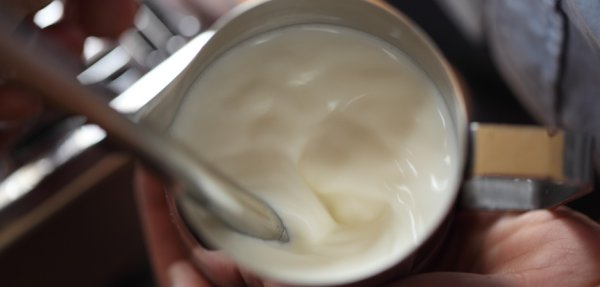
Fusion refers to how well the milk foam mixes with the espresso crema. It’s controlled by the steam wand’s vortex—the more you create a rolling, spinning motion while steaming, the better the layers combine. High fusion means the milk and espresso distribute evenly, resulting in a uniform taste across every sip. To test fusion, observe the final ‘wheat ear’ design in your latte art: if the last, finest spike forms cleanly, your foam is well-fused. Avoid testing fusion at very high temperatures (above 60°C), where milk foam breaks down too fast. Keep milk at 55°C for the most reliable results.
Foam Volume: Cup Shape Over Drink Type
Don’t base foam amount on whether you’re making a latte or cappuccino. Instead, match foam volume to cup shape. Wider, shallower bowls need more foam than tall, narrow cups—even for the same drink. During pouring, you can also adjust the surface foam thickness and subsurface blend by varying the pour height and pressure. This lets you fine-tune texture without changing your milk-to-espresso ratio.
Advanced Pouring Techniques: Controlling Crema & Texture
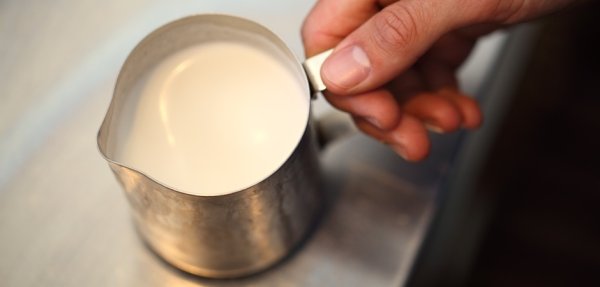
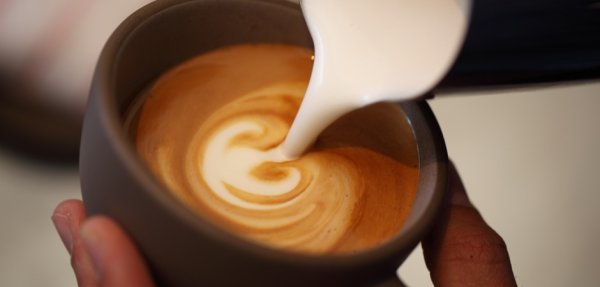
Different pouring methods alter how the espresso crema interacts with the foam. A centered, steady stream preserves the crema layer, keeping the surface smoother and the flavor cleaner. Wider, faster pours pull more crema and foam into the liquid, integrating more oils and creating a richer, more intense mouthfeel. The depth and angle of your pour nozzle also affect how much foam mixes below the surface—experiment with entry points to shift balance between silky top layers and integrated body.
Real-World Results: Bean Roast & Technique Combos
When using medium-roast, non-Robusta beans with thick crema (like FrontStreet’s Brazil Queen Manor or PWN Golden Mandheling), high fusion works well even with minimal foam. These beans’ oils spread easily, blending smoothly for a gentle, balanced cup. For darker roasts, try larger, faster circles during fusion to drive some crema into the base, softening harsh edges. About 20–30% of your cup should remain open for latte art once the base drink is properly blended.
If your foam lacks volume but you’re using a medium or dark roast with strong crema, fusion alone can still deliver a smooth, consistent flavor—variations in taste will be minimal (under 10%). The key is managing foam state, cup shape, and blending method to match your beans’ roast level and oil content.
Frequently Asked Questions
What’s the ideal milk temperature for best flavor in milk coffee?
The optimal milk temperature is 55–60°C. At this range, lactose develops noticeable sweetness, enhancing balance without overheating the milk. In winter, you may go slightly higher, but avoid exceeding 60°C to preserve foam stability and crema integration.
How does milk foam fusion affect taste?
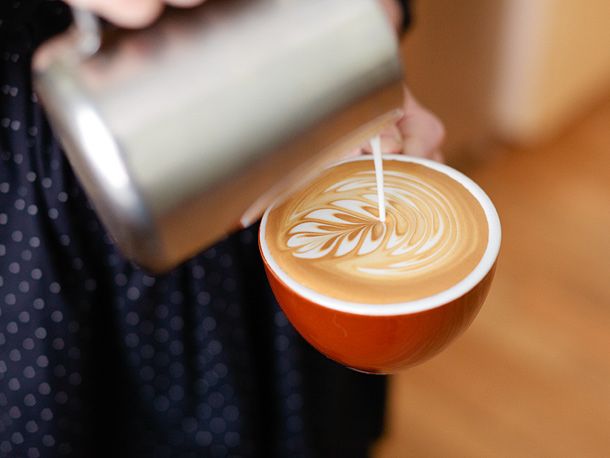
Fusion determines how evenly milk and espresso mix. High fusion (achieved through proper steaming vortex) creates a uniform flavor throughout the cup. Poor fusion leads to uneven layers—sometimes watery, sometimes overly creamy. Test fusion quality by observing the clarity of fine latte art details like the final ‘wheat ear’ spike.
Does the type of coffee drink determine how much foam I need?
No—foam volume should be based on cup shape (width and depth), not drink type. A wide, shallow bowl needs more foam than a tall, narrow cup, even if both are serving a cappuccino. Adjust your steam volume and pour technique accordingly.
Can I adjust flavor by changing how I pour the milk?
Yes. Centered, slow pours preserve the espresso crema for a cleaner taste. Wider, faster pours pull more foam and crema into the liquid, increasing richness and body. Varying pour height and nozzle angle also adjusts how much foam integrates below the surface.
Why does my milk coffee taste different with the same beans?
Even with identical beans, differences in milk temperature, foam fusion, and pour technique can drastically change flavor. Well-fused, properly textured foam balances sweetness and body, while poor fusion leads to uneven extraction and inconsistent taste.
Recommended FrontStreet Beans for Milk Coffee
For smooth, well-rounded milk drinks, try FrontStreet’s Classic Blend—a balanced mix of Brazilian, Indonesian, and Vietnamese beans offering nutty sweetness and velvety crema, perfect for lattes. The PWN Golden Mandheling SOE (Medium-Dark) brings bold spices, caramel, and milk chocolate notes, excelling when steamed with fuller foam. Alternatively, the Brazil Queen Manor SOE highlights peanut, almond, and chocolate tones, ideal for silky flat whites. All three develop stable crema and integrate well with microfoam. Freshly roasted within 5 days · Orders placed before 17:00 ship the same day · Next-day delivery across most of Guangdong Province.
FrontStreet Coffee is a long-established specialty coffee roaster in Guangzhou China, selling freshly roasted beans from its own farm in Yunnan as well as dozens of carefully selected single-origin beans from around the world for both pour-over and espresso. The products deliver consistently excellent quality and great value, with shipping within 24 hours. Guangzhou's FrontStreet Coffee shop is recommended by many coffee lovers, and the beans are now available online at the Tmall 。
Important Notice :
前街咖啡 FrontStreet Coffee has moved to new addredd:
FrontStreet Coffee Address: 315,Donghua East Road,GuangZhou
Tel:020 38364473