How to Master Coffee Latte Art: Skills Every Barista Needs
So you’ve mastered pulling a decent shot of espresso—but now you want to pour a heart or a tulip into your latte. That’s where latte art comes in, transforming a basic drink into something visually impressive and sensorially cohesive. But making latte art isn’t just about style. It connects directly to milk quality, espresso texture, and pouring finesse. Here’s everything you need to go from beginner to confident barista.
To make solid latte art, you need a well-extracted espresso with rich crema, steamed milk with microfoam at 60–80°C, and a steady hand. Most baristas start with a basic leaf pattern before moving on to hearts or tulips. The key steps include milk texturing, correct pouring speed, and controlled movement.
What Is Latte Art?
Latte art refers to the designs created on the surface of espresso-based drinks—mainly lattes and cappuccinos—by manipulating steamed milk. Though often seen as a visual flourish, latte art reflects a deeper mastery: the balance of texture between espresso crema and microfoam, the precision of pouring, and the overall harmony of colour and form.
The Origins and Rise of Latte Art
Though its exact origins are unclear, latte art gained early recognition in Japan as part of coffee performance art. Over time, it evolved from a flashy skill into a symbol of professionalism. By the early 2000s, latte art had become a staple in coffee competitions worldwide. Today, it’s not just for show—it’s essential in barista championships like the World Barista Championship (WBC), where competitors demonstrate both technical brewing and artistic pouring during the cappuccino round.
Essential Elements of Good Latte Art
Great latte art depends on three core components:
- Espresso: A properly extracted shot with a rich, stable crema (ideally 3mm thick and glossy).
- Milk Texture: Velvety microfoam with tiny, uniform bubbles—neither too airy nor too dense.
- Pouring Technique: Controlled arm and wrist movements that integrate milk and espresso seamlessly.
Espresso Requirements for Latte Art
Your latte starts with espresso. For best results:
- Use a pump-driven machine (e.g., Delonghi BAR14 or EAM4000) for consistent pressure.
- Extract 20g of coffee to 40ml of espresso in 25–30 seconds.
- Target a crema that is thick (around 3mm), glossy, and stable—this holds the design and enhances mouthfeel.
Note: Light roasts often produce less crema and more acidity, making them harder for milk drinks. Darker, fresher roasts with proper development yield better results for latte art.
How to Steam Milk for Latte Art
Steaming milk creates microfoam—the silky texture essential for clean designs. Here’s how:
- Use whole milk—avoid skim or low-fat, which don’t foam well.
- Heat milk to 60–80°C. Do not exceed 70°C to protect proteins.
- Keep the steam wand just below the milk surface to create a hissing sound (stretching phase), then submerge it to swirl (rolling phase).
- Aim for a smooth, glossy texture with fine bubbles. Large bubbles mean poor texture—you’ll see them sitting on top.
Tools like a standalone steam wand or built-in steam system (like those on the Delonghi BAR14 or EAM4000) help achieve consistency. Avoid overheating or burning the milk.
Basic Tools You’ll Need
- Espresso Machine with Steam Wand: For brewing espresso and steaming milk.
- Steam Pitcher (Pitcher or Milk Frothing Jug): A stainless steel pitcher with a pointed spout allows better control when pouring.
- Milk: Whole milk is ideal. Fat content supports stable foam.
- Cappuccino Cup or Mug: Use a larger cup—at least 12–16oz—to allow room for pouring.
Step-by-Step: How to Pour Latte Art
- Brew Espresso: Pull a shot directly into your cup. Let it settle briefly.
- Steam Milk: Heat and texture your milk, removing any large bubbles from the surface.
- Combine Milk and Espresso: Start pouring milk into the espresso from a medium height. Let the streams combine until the cup is roughly half full and the mixture looks slightly thickened on top.
- Start Pouring the Design:
- Begin with small left-right wrist movements to create the base ‘leaf’ shape—this forms the foundation for more complex patterns.
- Gradually move the pitcher further back and increase the pour’s width.
- End by pulling the pitcher forward to create a thin line (the stem of the leaf).
Common Latte Art Patterns to Start With
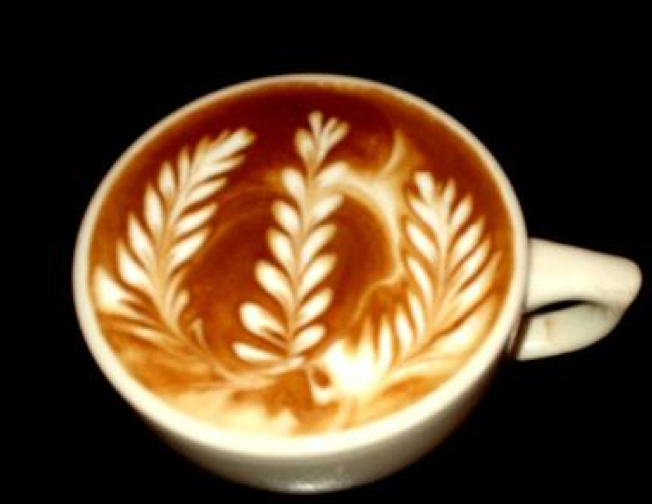
- Leaf (or Rosetta): The most common beginner design, created with gentle side-to-side and forward motions.
- Heart: Achieved by tilting the cup and adjusting your pour angle midway.
- Tulip: Layers of small circles poured in sequence, finished with a stem.
Key Techniques for Better Latte Art
1. Milk Texturing
- Pour cold milk (below 5°C for iced foam, or 5–6°C for standard) into the pitcher, filling it no more than halfway to prevent overflow.
- Stretch the milk by introducing air until the volume increases slightly (do not over-aerate).
- Then “roll” the milk by submerging the wand and swirling to create smooth microfoam.
- Remove any big bubbles with a spoon before pouring.
- Ideal milk temperature: 60–80°C (do not exceed 70°C).
2. Pouring Skills
- Hold the pitcher close to the cup’s surface at first, then gradually raise it.
- Use only your wrist to create side-to-side motion—keep your arm steady.
- The ‘leaf’ pattern begins with soft zig-zag movements, forming white streaks in the espresso.
- Finish by pouring through the design to form stems or outlines.
Frequently Asked Questions
Do I need an expensive machine to make latte art?
No. You can create latte art with most pump-driven espresso machines that have a functional steam wand. Entry-level machines like the Delonghi BAR14 or higher-end models like the EAM4000 work well. The critical factors are consistent steam pressure and the ability to texture milk properly—not machine cost.
Can I use skim or almond milk for latte art?
Skim milk has less fat, making microfoam harder to stabilise. Almond or other plant milks often have different proteins and sugars, which create foam that is harder to control and less creamy. Whole milk is strongly recommended for beginners aiming for smooth, pourable microfoam.
Why is my milk foam too bubbly or big?
This usually happens when too much air is introduced during the steaming process. Keep the steam wand just beneath the milk’s surface initially to stretch it, then submerge it fully to roll and break down bubbles into a smooth texture. Avoid overheating or aerating excessively.
How do I get a good crema on my espresso for latte art?
Use freshly roasted, medium to dark espresso beans. Extract 20g of coffee to 40ml in 25–30 seconds. Crema should be thick (around 3mm), golden-brown, and glossy. Proper freshness and roast level significantly affect crema quality.
What’s the easiest latte art pattern to learn first?
The leaf (or rosetta) is the most common starting point. It involves simple left-right wrist motions while pouring into the centre of the cup, gradually building a pattern that resembles leaves or petals. It helps build the muscle memory needed for more advanced designs.
Recommended FrontStreet Beans for Latte Art
For latte art and milk drinks, FrontStreet Coffee recommends its Commercial Blend, Strawberry Candy Espresso, and Classic Blend. The Commercial Blend offers bold body and rich crema ideal for textured milk, with notes of dark chocolate and caramel. The Strawberry Candy Espresso features fruity brightness with balanced sweetness—great for vibrant-tasting lattes—and produces a lovely hazelnut crema. The Classic Blend provides a smooth, approachable profile with nutty and chocolate undertones. All three roasts develop strong crema and integrate well with steamed milk. Freshly roasted within 5 days · Orders placed before 17:00 ship the same day · Next-day delivery across most of Guangdong Province.
FrontStreet Coffee is a long-established specialty coffee roaster in Guangzhou China, selling freshly roasted beans from its own farm in Yunnan as well as dozens of carefully selected single-origin beans from around the world for both pour-over and espresso. The products deliver consistently excellent quality and great value, with shipping within 24 hours. Guangzhou's FrontStreet Coffee shop is recommended by many coffee lovers, and the beans are now available online at the Tmall 。
Important Notice :
前街咖啡 FrontStreet Coffee has moved to new addredd:
FrontStreet Coffee Address: 315,Donghua East Road,GuangZhou
Tel:020 38364473