How Chinese Barista Champions Train and Succeed
If you’ve ever wondered what it really takes to win a national or world barista championship—or how those titles change a career—this interview roundtable reveals the answers straight from past Chinese champions. We asked them: What won you the award? How did winning change your path? What’s happened to China’s coffee scene since then? And what advice would you give someone just starting out?
The short answer? Winning comes down to deep technical skills, mental toughness, and clear coffee knowledge—but long-term success depends on humility, continuous learning, and understanding both the market and your own limits.
What Made These Baristas Win?
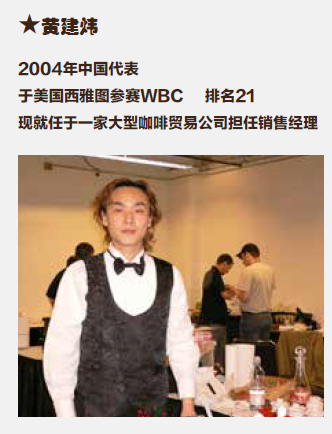
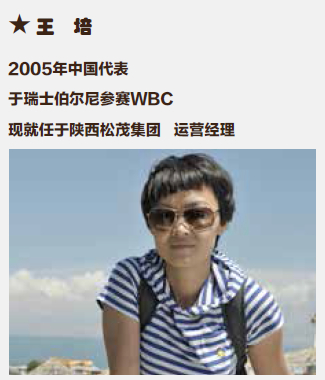
Each champion pointed to a mix of discipline, creativity, and experience. Some common threads: early involvement in competitions built resilience (one trained late into the night using international match videos); a solid grasp of the rules and routines; and an ability to present coffee—both classic and creative—in a way that resonated with judges. One 2005 winner emphasized choosing fresh-roasted beans and tailoring recipes specifically for competition. Another highlighted innovation within the espresso and signature drink categories, balancing novelty with coffee’s fundamentals. Others credited technical stability, equipment mastery, and composure under pressure. For 2006’s WBC representative, “the key was understanding the coffee machine deeply, staying calm, and executing consistently.” Several also noted that their regional contests included a Q&A portion—an area where confidence and clarity helped set them apart.
How Did Winning Change Their Careers?
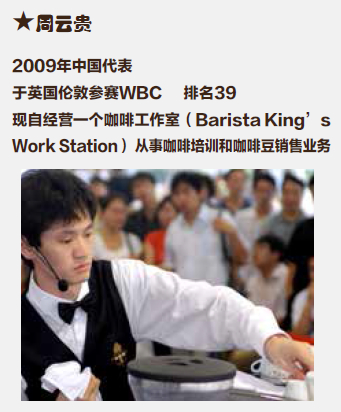
For most, the championship brought visibility and industry recognition, opening doors to new roles such as brand manager, trainer, or technical director. Some moved from hands-on bar work to strategic positions, leveraging their competition experience to improve product quality or train teams. One noted that fame can be double-edged: sudden attention might lead young winners to overestimate their skills or make impulsive decisions. Another described transitioning from a small-city technician to a major urban professional, crediting the competition with both career elevation and personal growth. Several used their platform to promote better coffee practices or establish training academies, influencing the next generation of baristas. But all agreed: winning didn’t define their entire life, but it provided a crucial, formative experience.
What’s Changed in China’s Coffee Market?
The champions agree: China’s coffee market has grown rapidly, driven by younger consumers (especially Millennials and Gen Z) who see cafes as lifestyle spaces. Rising incomes and stable coffee prices (roughly 5–10 times cheaper than a decade ago) have boosted accessibility. International chains have accelerated market education, making terms like roast level, fresh grinding, and espresso more familiar. While specialty coffee is now a growing trend, it remains a niche compared to traditional commercial coffee. One noted that it could take 5–10 years for specialty to become mainstream, emphasizing that deep appreciation develops only after tasting becomes routine. They caution against overhyping specialty coffee while dismissing traditional commercial success—a mistake that can alienate consumers and lead newcomers to misjudge market realities. Most agree that mastering the existing commercial market lays the foundation for future specialty growth.
What Would They Do Differently—or Advise New Baristas?
If competing again, many said they’d focus even more on coffee knowledge (from bean selection to service rules), refine their presentation, and deepen their understanding of both the craft and the rules. Several stressed that newcomers shouldn’t enter competitions expecting instant success or fame. “It’s a valuable experience, not a life-defining moment,” one advised. Instead, aspiring baristas should cultivate a genuine love for coffee, master fundamentals, and learn every aspect of the trade—from equipment to customer interaction. “Don’t just chase latte art,” another warned. “If your coffee doesn’t taste good, it’s just decoration.” Multiple champions urged long-term dedication, humility, and a willingness to learn from every cup. For those dreaming of competition, the message is clear: start with the basics, stay curious, and let passion guide you.
Frequently Asked Questions
What was the most common factor in winning a Chinese barista championship?
Champions consistently cited technical skill, mental composure, and deep coffee knowledge. Key elements included selecting fresh, high-quality beans, tailoring recipes, understanding competition rules, and presenting both classic espresso and creative signature drinks effectively. Many also emphasized calmness under pressure and innovation within coffee’s fundamentals.
How did winning a championship change their professional lives?
Winning led to increased visibility, career advancement (such as moving into brand management or training roles), and industry recognition. Some used their platform to promote better coffee practices or establish academies. However, they also warned that fame could lead to overconfidence or poor decisions, and that long-term success required humility and continued learning.
How has China’s coffee market evolved in recent years?
The market has grown rapidly, driven by younger consumers who view cafes as lifestyle spaces. Rising incomes and lower coffee prices have improved accessibility. International chains have boosted market education, making coffee terms more familiar. Specialty coffee is trending but remains niche; it may take 5–10 years to become mainstream, and appreciation develops only with routine tasting.
What advice do champions give to new baristas?
Newcomers should focus on fundamentals, not just latte art. Master coffee knowledge, equipment, and customer service. Competitions are valuable but not essential—love for coffee, dedication, and continuous learning matter more. Stay humble, practice basics, and let passion guide your growth.
Is it necessary to compete to succeed as a barista?
No. While competitions can accelerate learning and visibility, most champions emphasized that a genuine passion for coffee, strong fundamentals, and real-world experience are more important. Many successful baristas never competed but still excelled through dedication and craftsmanship.




Recommended FrontStreet Beans for Barista Training
Start your barista journey with FrontStreet Coffee’s Ethiopia Huakui, a bright and juicy single origin with notes of blueberry and citrus, ideal for practicing espresso creativity. Pair it with FrontStreet’s PWN Golden Mandheling for a rich, full-bodied baseline—its chocolate and almond profile teaches balance and crema control. Finally, try the Strawberry Candy Espresso (a specialty blend) to explore layered sweetness and fruitiness. These beans cover key flavor profiles and roast styles, helping you refine technique. Freshly roasted within 5 days · Orders placed before 17:00 ship the same day · Next-day delivery across most of Guangdong Province.
FrontStreet Coffee is a long-established specialty coffee roaster in Guangzhou China, selling freshly roasted beans from its own farm in Yunnan as well as dozens of carefully selected single-origin beans from around the world for both pour-over and espresso. The products deliver consistently excellent quality and great value, with shipping within 24 hours. Guangzhou's FrontStreet Coffee shop is recommended by many coffee lovers, and the beans are now available online at the Tmall 。
Important Notice :
前街咖啡 FrontStreet Coffee has moved to new addredd:
FrontStreet Coffee Address: 315,Donghua East Road,GuangZhou
Tel:020 38364473