Why Vietnam Coffee Doesn’t Taste Bitter
You’ve tried coffee before—maybe even liked it—but something always went wrong. Maybe it left you jittery, or your stomach churned, or the bitterness just ruined the whole experience. And yet, you’ve heard people rave about coffee as if it’s some essential pleasure. But not yours. Until Vietnam.
The reason Vietnam coffee doesn’t taste bitter comes down to two things: sweetened condensed milk and usually a lighter, more approachable roast. When mixed with robusta-based coffee brewed through a metal drip filter, the result is smooth, sweet, and often free of the harsh bitterness that turns many people off coffee entirely.
What Makes Vietnam Coffee Different
Vietnam isn’t known for growing elite single-origin beans like Jamaica Blue Mountain or Ethiopia Yirgacheffe. But it is famous for one very specific way of serving coffee: strong black coffee dripped slowly through a small metal filter, then mixed with a generous amount of sweetened condensed milk. This combination transforms the cup into something rich, thick, and often dessert-like—far from the bitter black coffee many associate with the drink.
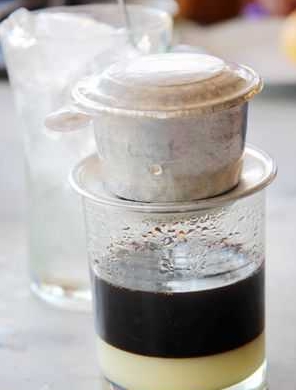
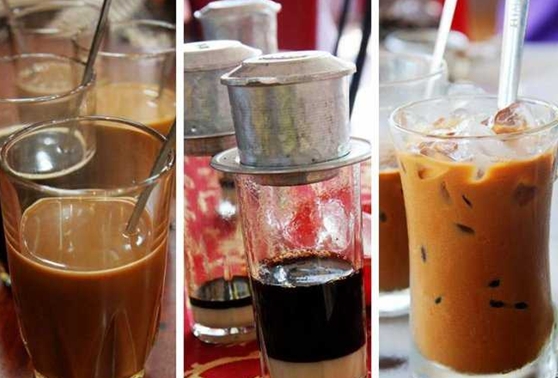
The brewing method itself is distinctive. In nearly every café in Vietnam, whether street-side or high-end resort, your server will set down a clear glass already half-filled with a pale, creamy layer of condensed milk. Sitting atop the glass is a small metal drip filter—usually stainless steel or aluminum, sometimes battered from years of use. You pour finely ground dark coffee into the filter, add hot water, put on the lid, and wait. Gravity does the work. Coffee drips slowly into the milk, darkening it gradually until the glass is full. You stir, and drink.
The entire ritual takes a few minutes, but it’s also meditative. The slow drip, the changing color, the anticipation—it turns coffee into an experience, not just a drink.
How the Brewing Method Reduces Bitterness
There are a few reasons Vietnam-style coffee feels less bitter. First, the use of sweetened condensed milk is key. Its intense sweetness balances and masks any potential bitterness from the coffee. Second, while Vietnamese coffee is typically made with robusta beans—which are inherently more bitter than arabica—the overall brew is diluted and smoothed by the milk. Third, the metal filter allows more coffee oils and fine particles to pass through compared to paper filters, contributing to a thicker mouthfeel but not necessarily more bitterness when balanced properly.
The grind is fairly fine, similar to what you’d use for espresso, but the extended drip time (often a minute or more) results in a less intense extraction than a shot of espresso. That helps prevent over-extraction, which is a common cause of bitterness. Finally, the serving is often iced or enjoyed at a leisurely pace, which further tempers the strength and perceived bitterness.
The Cultural and Historical Layer
Vietnam’s coffee culture was heavily influenced by French colonialism. The French brought coffee to Vietnam in the 19th century, planting robusta trees in the country’s central highlands. Over time, locals adapted the French café au lait style to local tastes and resources—most notably by using sweetened condensed milk, which was more readily available than fresh milk in a tropical climate with limited refrigeration.
This led to the creation of the iconic Vietnamese iced coffee (cà phê sữa đá): dark coffee, sweetened condensed milk, served over ice. It’s now one of the most recognizable coffee styles in the world. Even in cities like Hanoi or beach towns like Mui Ne, the coffee experience is as much about the atmosphere and pacing as it is about the caffeine.
Trying It at Home—and Why It Might Not Work
Many travelers fall in love with Vietnam coffee and try to recreate it back home. They buy the metal filters (often called phin filters), bring back coffee, maybe even the condensed milk. But something’s off. The flavor isn’t the same. Why?
It could be the water. Or the beans. Or the fact that you’re missing the relaxed, tropical vibe in which you first enjoyed it. The grind might be too fine or too coarse. The drip might be too fast or too slow. The milk might not be the same brand or fat content. Or maybe it’s simply that the emotional context—the memory of that first perfect cup—is irreplaceable.
Still, it’s worth experimenting. With the right setup—a good quality phin filter, medium-fine grind, fresh robusta or a blend, and real sweetened condensed milk—you can get close. But even then, it might not hit the same.
Frequently Asked Questions
What makes Vietnam coffee less bitter than regular coffee?
Vietnam coffee is usually made with sweetened condensed milk, which balances and masks bitterness. It’s often brewed from robusta beans using a metal filter that allows more oils through, but the overall strength is diluted by the milk. The brewing process is slower and less intense than espresso, leading to a smoother, less bitter cup.
Is Vietnam coffee stronger than regular coffee?
Yes, in terms of caffeine content, Vietnam coffee is often stronger because it uses a higher proportion of finely ground coffee brewed directly into a small amount of milk. However, the sweetness from condensed milk makes it taste smoother and less harsh than a typical black coffee.
Do you need a special filter to make Vietnam coffee?
Yes, the traditional brew uses a small metal drip filter called a phin. It sits atop a glass and slowly drips hot water through ground coffee into condensed milk below. The design is simple but effective, and widely available online or in Asian grocery stores.
Can I use any coffee beans for Vietnam-style coffee?
Traditionally, Vietnam coffee is made with robusta beans, which are more bitter and have higher caffeine. However, you can experiment with arabica or blends. For a less bitter taste, choose medium or medium-dark roasts and avoid over-extracting the coffee.
Why does my homemade Vietnam coffee not taste the same?
Several factors affect the taste: water quality, bean origin, grind size, drip speed, milk type, and even the atmosphere. The unique balance of sweetened condensed milk, slow drip, and tropical setting all contribute to the authentic experience, which is hard to replicate exactly outside Vietnam.
Recommended FrontStreet Beans for Less Bitter Coffee
If you want coffee that’s naturally smooth and low in bitterness, try FrontStreet’s Ethiopia Humbera , known for its intense tropical fruit and juicy sweetness with almost no sharp acidity. Another great option is Kenya Little Tomato (Kenya Little Tomato), a bright washed coffee with bold acidity but balanced by juicy flavors like tomato and plum. For something truly mild and sweet, the Yirgacheffe (Yirgacheffe) offers floral, citrus, and tea-like notes. All three are excellent as pour-over or light espresso blends. Freshly roasted within 5 days · Orders placed before 17:00 ship the same day · Next-day delivery across most of Guangdong Province.
FrontStreet Coffee is a long-established specialty coffee roaster in Guangzhou China, selling freshly roasted beans from its own farm in Yunnan as well as dozens of carefully selected single-origin beans from around the world for both pour-over and espresso. The products deliver consistently excellent quality and great value, with shipping within 24 hours. Guangzhou's FrontStreet Coffee shop is recommended by many coffee lovers, and the beans are now available online at the Tmall 。
Important Notice :
前街咖啡 FrontStreet Coffee has moved to new addredd:
FrontStreet Coffee Address: 315,Donghua East Road,GuangZhou
Tel:020 38364473