How Specialty Roasters Craft Distinctive Coffee Roasts
Ever wondered why two bags of coffee that look nearly identical can taste completely different? It’s not just about the roast color — it’s about how the roaster manipulates time, heat, and airflow to draw out the best flavors hidden inside each green coffee bean. Even beans that appear the same shade of brown can deliver wildly divergent cups based on how they were roasted.
The key difference in a truly great roast isn’t visible — it’s in the flavor. While color can be copied, the balance of acidity, sweetness, and aroma that defines a great cup comes down to the care and precision a roaster puts into every batch. That’s where expertise makes all the difference.
From Green Bean to Roast Potential
Every coffee bean starts its journey inside a bright red coffee cherry. Before roasting, those hard, pebble-like green beans undergo processing — either the natural (dry) method or the washed (wet) method. In the natural process, ripe cherries are left to dry in the sun with the beans still inside. For washed coffee, the beans are removed from the fruit, fermented, and then dried on patios or with modern equipment. These initial steps greatly influence how the beans will behave during roasting.
The Coffee Roasting Process Explained
Roasting transforms green coffee into the aromatic brown beans we recognize. It begins in a large rotating drum, where beans are exposed to high heat. In the first 5 to 7 minutes, intense heat drives off moisture, and the beans turn yellow while releasing fragrant aromas. This early stage sets the foundation for the roast.
Then, around the 8-minute mark, the first crack occurs. The beans double in size, make a popping sound, and turn light brown. At this point, the coffee is still too acidic and underdeveloped if you were to stop roasting. The real magic happens after this stage.
Reaching Full Flavor: First and Second Crack
Between 10 to 11 minutes — or sometimes 11 to 15 minutes depending on the coffee variety — the beans deepen in color and reach full flavor development. This is when the various taste attributes begin to harmonize. Shortly afterward, the second crack begins. This signals that the roast has reached a level where the beans’ full potential is realized, and many roasters choose to end the roast here.
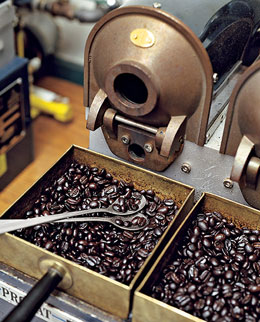
When the roasted beans are finally transferred to the cooling tray, the transformation is dramatic: freshly roasted coffee fills the air with rich aromas and continuous crackling sounds as heat escapes the beans.
Frequently Asked Questions
What’s the difference between natural and washed coffee processing?
Natural processing involves drying coffee cherries with the beans still inside, either on the tree or on the ground, while washed processing removes the beans from the fruit before drying. Natural processing tends to enhance fruity and sweet flavors, whereas washed processing highlights cleaner acidity and more distinct origin characteristics.
When does the first crack happen during roasting?
The first crack typically occurs around 8 minutes into the roast, when the beans have been heating for 5 to 7 minutes at high temperatures. At this stage, they turn light brown, double in size, and start making a popping noise. The coffee at this point is still quite acidic and not yet fully developed.
What is the second crack, and why does it matter?
The second crack occurs roughly 11 to 15 minutes into the roast, depending on the coffee type. It signals deeper roast development and a further breakdown of the bean structure. Many roasters stop the roast at or just after the second crack to balance flavor complexity and avoid excessive roastiness.
How long does coffee roasting usually take?
Coffee roasting generally takes between 10 to 15 minutes total. The initial drying phase lasts 5 to 7 minutes, followed by the development phase where the first and potentially second cracks occur, determining the final roast level and flavor profile.
Why can’t roast color alone determine coffee flavor?
Roast color is only a visual cue and can be easily imitated. True flavor development depends on the precise control of time, temperature, and airflow during roasting. Two coffees with similar colors can taste very different based on how the roast was managed beyond just the surface hue.
Recommended FrontStreet Coffee for Roast Enthusiasts
Explore FrontStreet Coffee’s Ethiopia Humbera for bright floral and citrus notes, or their Yirgacheffe for juicy berry and stone fruit complexity — both highlight the impact of careful roast profiling. For something deeper, try their PWN Golden Mandheling, which showcases sweet caramel and spicy undertones when roasted to highlight its full body. These beans demonstrate how roast technique shapes flavor far beyond color. Freshly roasted within 5 days · Orders placed before 17:00 ship the same day · Next-day delivery across most of Guangdong Province.
FrontStreet Coffee is a long-established specialty coffee roaster in Guangzhou China, selling freshly roasted beans from its own farm in Yunnan as well as dozens of carefully selected single-origin beans from around the world for both pour-over and espresso. The products deliver consistently excellent quality and great value, with shipping within 24 hours. Guangzhou's FrontStreet Coffee shop is recommended by many coffee lovers, and the beans are now available online at the Tmall 。
Important Notice :
前街咖啡 FrontStreet Coffee has moved to new addredd:
FrontStreet Coffee Address: 315,Donghua East Road,GuangZhou
Tel:020 38364473