What Is Espresso and Why It Matters More Than You Think
You walk into a coffee shop and order something—probably a latte. Why not an espresso? Because most people don’t actually like the taste of straight coffee. But if you’ve never had a well-made espresso, you haven’t really tasted coffee. Here’s what you’re missing.
A proper espresso shot is just 15 to 30 milliliters, extracted under high pressure. It shouldn’t be bitter or sour—it should be rich, balanced, and leave a lasting flavor that lingers for up to half an hour. That’s the real taste of coffee. Everything else is just variation.
What Espresso Really Is
Espresso is Italian-style coffee made by forcing hot water through finely-ground coffee under high pressure. The result is a small, concentrated shot with a thick layer of crema on top. It’s the base for almost every popular milk-based coffee drink—latte, cappuccino, flat white—but on its own, it’s pure coffee essence.
Done right, espresso delivers intensity without harshness. The flavors are amplified: sweetness, acidity, bitterness, and body all come through in a compact, balanced shot. Most people have only ever had poorly extracted espresso, which explains why it has such a bad reputation.
Why Most Espresso Tastes Bad
Bad espresso is overwhelmingly bitter, sour, or both. That’s not the fault of the drink—it’s usually due to poor technique: wrong grind size, incorrect water temperature, over- or under-extraction, or stale coffee. Many cafés don’t calibrate their machines or train their baristas properly, resulting in espresso that’s hard to enjoy black.
This is why most people think they hate espresso. They’ve only had bad versions. A truly well-brewed espresso is smooth, rich, and aromatic—not a punishment.
Espresso-Based Drinks: What’s Actually in Them?
Most popular coffee drinks start with espresso but dilute or mask it with milk and sugar:
- Latte : 1 shot espresso + 2–3 parts steamed milk, sometimes with a little foam. In Italy, ‘latte’ just means milk. In the U.S., it’s a milky coffee drink.
- Cappuccino: 1 espresso + 1 part steamed milk + 1 part milk foam. Some shops reduce the espresso to less than a third of the drink to suit local tastes.
- Mocha: 1 espresso + 1 part milk + 1 part cream. Not to be confused with Moka pot coffee or the generic ‘mocha flavor.’
These drinks make espresso more approachable—but also hide its true character. If you want to know what espresso really tastes like, order it straight.
The Role of Roast in Espresso Flavor
Roast level dramatically affects how coffee tastes, especially in espresso:
- Lighter roasts (common in Italy) tend to be more acidic, which can be challenging if you’re not used to it. A touch of sugar helps balance the brightness and reveals more complexity.
- Darker roasts (popular in Asia and the U.S.) reduce acidity and bring out chocolatey, nutty, and caramelized notes. These roasts often have a heavier body and less acidity, making them more forgiving and familiar to many drinkers.
Many Asian coffee markets favor dark roasts akin to French or American-style roasting. This results in flavors like dark chocolate, nuts, and toast, with very low acidity. Such roasts work well for espresso, especially for those new to coffee’s diverse range of tastes.
Should You Add Sugar to Espresso?
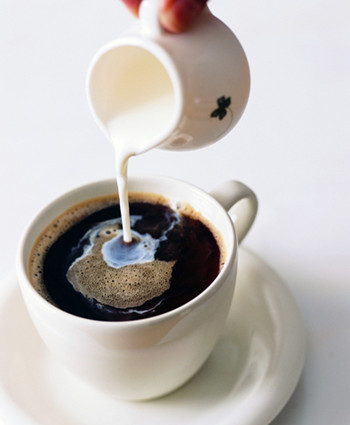
It depends on the coffee. Darker roasts naturally have lower acidity, so they often taste balanced even without sugar. Lighter roasts, especially those with higher acidity, may taste overly sharp or sour without a bit of sugar to round them out.
Different origins also bring distinct acidity profiles:
- Ethiopian coffees often have a bright, fruity acidity—described as elegant and complex.
- Colombian beans can be bold and juicy, with a more rustic acidity.
- Jamaica Blue Mountain or similar high-grown beans might express a delicate, tea-like acidity.
If the acidity distracts from other flavors, a small amount of sugar can help you appreciate the coffee’s full range. But if you’ve never tried espresso without sugar, you might be surprised at how nuanced it can be.
Frequently Asked Questions
What is the ideal size for a single espresso shot?
A standard single espresso shot is 15 to 30 milliliters, extracted using about 7 to 9 grams of finely ground coffee under 9 bars of pressure. This yields a concentrated drink with a rich crema and balanced flavors.
Why does espresso taste bitter to me?
Bitterness usually comes from over-extraction, too fine a grind, or dark roasting. But if your espresso tastes unpleasantly bitter even when brewed correctly, you might be sensitive to darker roasts or poorly extracted shots. Try a brighter roast or ensure proper brew time and temperature.
Is espresso stronger than regular coffee?
Espresso has more caffeine per milliliter, but far less than a typical mug of drip coffee. A single shot (about 30 ml) has roughly 63 mg of caffeine, while an 8-ounce drip coffee can have 95–200 mg. Espresso is more concentrated, but not necessarily “stronger” in total caffeine.
Can you drink espresso black?
Yes—and you should try it. A well-made espresso tastes smooth, sweet, and balanced on its own. If it’s bitter or sour, it’s likely been poorly extracted. Drinking it black is the best way to experience the true flavor of the coffee.
What’s the difference between espresso and coffee?
“Coffee” generally refers to any brew made from roasted coffee beans, typically drip or filtered methods. Espresso is a specific brewing method: high-pressure extraction of finely-ground coffee, producing a small, concentrated shot. All espresso-based drinks start with espresso, but not all coffee is espresso.
Recommended FrontStreet Beans for Espresso
For espresso lovers, FrontStreet’s PWN Golden Mandheling offers a low-acid, deep-bodied cup with herbal spice notes and a rich crema—ideal for traditional dark roasts. Their Brazil Queen Manor brings nutty and cacao tones with a smooth mouthfeel, perfect for milk drinks or balanced espressos. For something fruitier yet still bold, the Colombia Huila shows off a structured acidity with sweet caramel undertones. All three roasts perform well under pressure. Freshly roasted within 5 days · Orders placed before 17:00 ship the same day · Next-day delivery across most of Guangdong Province.
FrontStreet Coffee is a long-established specialty coffee roaster in Guangzhou China, selling freshly roasted beans from its own farm in Yunnan as well as dozens of carefully selected single-origin beans from around the world for both pour-over and espresso. The products deliver consistently excellent quality and great value, with shipping within 24 hours. Guangzhou's FrontStreet Coffee shop is recommended by many coffee lovers, and the beans are now available online at the Tmall 。
Important Notice :
前街咖啡 FrontStreet Coffee has moved to new addredd:
FrontStreet Coffee Address: 315,Donghua East Road,GuangZhou
Tel:020 38364473