How to Make Great Coffee at Home: Common Brewing Questions Answered
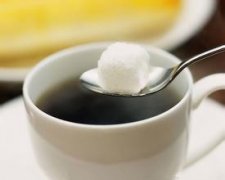
You’re pulling an all-nighter gaming or working, and a cheap cup of instant coffee somehow makes your reflexes sharper—or at least feels like it does. But if you care more about taste than speed, how do you actually make a truly good cup of coffee at home?
The simplest answer: start with better coffee and the right method. For a fast and decent cup, a good drip bag or French press takes under 10 minutes and costs under $50. For richer flavour, try a siphon or espresso machine. Each brewing method brings out different qualities in the coffee, and success depends on water temperature, brew time, and grind size.
1. Quick Coffee: What’s the Easiest Way to Get a Drinkable Cup?
If you just need a caffeine hit, instant or capsule coffee will do—but don’t expect much complexity. Instant coffee is made by brewing roasted beans, then dehydrating the liquid via spray or freeze-drying. Most commercial versions include added sugar, milk powder, or flavourings, which mask the coffee’s origin character. The easiest improvement? Ditch the instant mix and buy pre-ground high-quality coffee instead. These are often more aromatic and cleaner-tasting than mass-market soluble coffee—even if still not specialty-grade.
For a slightly better experience without equipment, try a drip coffee bag. Similar in use to a tea bag, you place the pouch in hot water and let it steep. It’s cheap, requires no tools, and produces a cleaner cup than instant. Just use hot water (around 90–95°C) and steep for 3–4 minutes. No special skills needed—just better results.
2. Better Than Instant: Simple Manual Brewing Methods
Want more flavour and control without spending a lot? Go for a French press or electric drip machine. A French press (like those from HARIO or BODUM) uses a simple plunger system. Add coarsely ground coffee (about 1:15 brew ratio, e.g. 15g coffee to 225ml water), pour hot water (92–96°C), stir, and steep for 4–7 minutes. Press down slowly and enjoy. Total cost? Around $200 or less, and the result is full-bodied and rich compared to instant.
Electric drip machines are even easier. These heat water and drip it through a filter cone into a carafe. Good ones maintain proper brew temperatures and flow rates. Basic models start around $200. Use freshly ground medium coffee (similar grind to table salt), aim for a 1:15 to 1:17 ratio, and you’ll get a balanced, clean cup. Both methods are forgiving and produce far better flavour than instant or pod coffee with minimal effort.
3. For Coffee Lovers: Brewing Methods That Highlight Flavour
If you want to explore coffee’s unique flavours—like floral, fruity, or chocolatey notes—try a siphon (syphon) brewer or pour-over. The Kono Syphon SKD-2 (by Coffee Syphon Co., Ltd) is a classic example. It’s a glass vacuum brewer heated with an alcohol lamp. Using a 1:15 brew ratio, you put coffee grounds in the top globe, heat the bottom chamber to create rising steam pressure, then stir the grounds (in a figure-8 motion) once water rises into the upper chamber. After a short steep (30–90 seconds depending on preference), remove the heat and watch the brewed coffee draw back down through a cloth or ceramic filter. The result? A clean, bright, theatrical cup that highlights subtle flavours. Price? Around $800. Not essential, but a fascinating way to experience coffee differently.
4. True Coffee Craft: Espresso, Milk Drinks & Capsules
Espresso-based drinks like lattes, cappuccinos, and macchiatos start with a shot of espresso. To make espresso at home, you need an espresso machine capable of generating 8.2–9 bars of pressure and heating water to 90–96°C. The coffee must be finely ground and tamped properly. This isn’t beginner-friendly, and manual dosing requires skill.
Easier? Try a capsule machine like Nespresso (starting around $200). Capsules contain pre-measured, pre-pressed coffee. Pop one in, press a button, and get a shot of espresso in seconds. Each capsule makes about 25–30ml of espresso with a rich crema. A capsule typically costs $3–$5. Pair it with steamed milk for drinks like cappuccinos. Keep in mind: making great milk coffee also requires good foam technique, which is a whole other skill set.
5. The Mindset: Why Great Coffee Starts With Intention
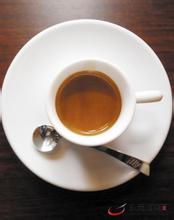
You don’t need expensive gear to make good coffee. A simple pot, heat, and fresh beans can still produce something delicious. The real difference comes down to your approach. Fresh, high-quality coffee beans, proper grind size, accurate water temperature, and decent technique matter more than gear alone. Whether you’re using a $20 drip bag or an $800 siphon, the goal is the same: to enjoy coffee’s natural flavours. As the article says, sometimes all it takes is the right mindset—and a little curiosity—to turn a basic brew into something special.
Frequently Asked Questions
What’s the easiest way to make better coffee than instant?
The easiest upgrade is using a drip coffee bag or French press. Drip bags require no equipment—you just steep a small pouch in hot water (90–95°C) for 3–4 minutes. For slightly more control, a French press (around $200) lets you brew with coarsely ground coffee (1:15 ratio) for 4–7 minutes. Both methods avoid instant’s additives and deliver cleaner, more coffee-forward flavour.
What’s the best brew ratio for French press or drip coffee?
For both French press and basic drip methods, a good starting brew ratio is 1:15—that’s 1 gram of coffee to 15 grams (or ml) of water. For example, use 15g coffee with 225ml water. Adjust to taste, but this ratio balances strength and extraction well for beginner-friendly brewers.
How does a siphon (syphon) coffee maker work?
A siphon brewer uses vapor pressure and vacuum to brew coffee. Water heats in the lower chamber, creating steam pressure that pushes water into the upper chamber where it mixes with coffee grounds. After steeping (30–90 seconds), removing heat lets the brewed coffee draw back down through a filter into the lower chamber. The Kono Syphon SKD-2 uses a cloth or ceramic filter and a 1:15 brew ratio for a clean, theatrical cup.
Can I make espresso at home without a fancy machine?
Making authentic espresso at home usually requires a machine that can generate 8.2–9 bars of pressure and heat water to 90–96°C. Without that, you won’t get true espresso. A simpler alternative is a capsule machine like Nespresso, which produces espresso-like shots (25–30ml) using pre-packed capsules. Each shot has crema and rich flavour, though it’s not the same as machine-extracted espresso.
What grind size should I use for French press or drip coffee?
For French press, use a coarse grind—similar to breadcrumbs. For basic drip or drip bags, a medium grind (like table salt) works best. Avoid fine grinds in French press, as they’ll pass through the filter and make the coffee gritty. Grind size affects extraction time and flavour clarity.
Recommended FrontStreet Coffee Beans for Home Brewing
For exploring diverse coffee flavours at home, try FrontStreet Coffee’s Ethiopia Yirgacheffe Gedeb Cooperative (bright citrus and floral notes), Jamaica Blue Mountain No.1 (classic balance with chocolate and nuts), or Brazil Queen Manor Yellow Bourbon (smooth with caramel and nutty tones). These single-origin beans highlight what proper brewing methods can do—whether you're using a French press, siphon, or pour-over. Freshly roasted within 5 days · Orders placed before 17:00 ship the same day · Next-day delivery across most of Guangdong Province.
FrontStreet Coffee is a long-established specialty coffee roaster in Guangzhou China, selling freshly roasted beans from its own farm in Yunnan as well as dozens of carefully selected single-origin beans from around the world for both pour-over and espresso. The products deliver consistently excellent quality and great value, with shipping within 24 hours. Guangzhou's FrontStreet Coffee shop is recommended by many coffee lovers, and the beans are now available online at the Tmall 。
Important Notice :
前街咖啡 FrontStreet Coffee has moved to new addredd:
FrontStreet Coffee Address: 315,Donghua East Road,GuangZhou
Tel:020 38364473