How Long Can Roasted Coffee Beans Last Before They Degrade?
If you’ve ever opened a bag of coffee beans that sat in your cupboard for months—or worse, a year—and wondered why they no longer taste like they used to, you’re not alone. What was once bright and complex now seems flat, dull, or just… off. That change isn’t your imagination. It’s called coffee bean degradation, and it’s a well-documented process that affects every roasted coffee, regardless of origin or roast level.
The short answer? Most specialty roasted coffee is best enjoyed within 2 to 4 weeks after roasting, though properly stored beans may remain drinkable for several months—though not peak fresh. After about a year, most coffee will have significantly deteriorated in flavor and aroma due to ongoing chemical changes.
What Is Coffee Bean Degradation?
Degradation refers to irreversible changes in the physical or chemical properties of organic materials—like the polymers and aromatic compounds in roasted coffee. These changes happen under the influence of heat, light, oxygen, and other environmental factors. In coffee, this leads to a loss of desirable flavors, aromas, and overall drinkability. Whether degradation has occurred depends on subjective taste—but the science behind it is objective.
Why Does Roasted Coffee Lose Flavor Over Time?
It’s a common misconception that oil oxidation is the main culprit behind stale coffee. In truth, coffee beans contain natural antioxidants that slow down oil breakdown. The real issue lies with the coffee’s aromatic compounds. During roasting, carbon dioxide escapes along with a portion of those volatile aromas. What remains inside the bean continues to react chemically. Over time, these reactions reduce the total amount of aroma and alter its composition. Eventually, unpleasant or muted notes emerge, signaling degradation.
How Roast Freshness Actually Works
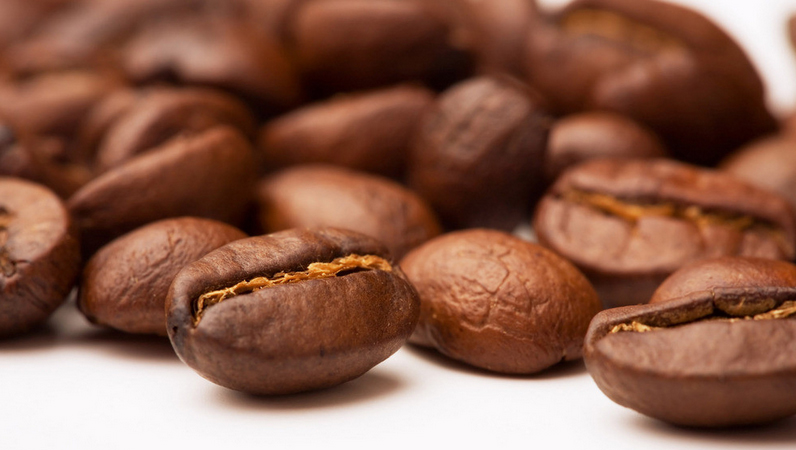
Freshness isn’t binary. While almost everyone prefers the taste of coffee within days of roasting, blind tastings sometimes reveal that some drinkers actually prefer beans aged several months. This period between roast day and perceived peak flavor is known as the degassing or “resting” period—not degradation, if the taster enjoys the result. But eventually, without proper care, those same beans will cross the line into noticeable decline.
What Causes Coffee Bean Deterioration?
Coffee degradation results from multiple interrelated factors:
- Oxygen exposure: Reacts with aromatic compounds, leading to oxidation.
- Light: Ultraviolet and visible light break down sensitive molecules.
- Heat: Accelerates chemical reactions that degrade flavor and aroma.
- Moisture: Can introduce mold or dilute volatile compounds.
- Time: Even in ideal conditions, aromatic content steadily declines.
How to Store Coffee Beans Properly
To slow degradation, follow these evidence-based steps:
- Use an airtight container that blocks light and limits air exchange.
- Keep beans in a cool, dark place—not in the fridge or freezer unless you use a truly airtight system and understand condensation risks.
- Avoid transferring beans between containers frequently, which introduces oxygen each time.
- Buy only as much coffee as you’ll use in 2 to 4 weeks for optimal freshness.
- If storing longer, divide into smaller portions: keep one sealed bag for immediate use, and freeze the rest (only if vacuum-sealed and for longer-term storage).
Does Freezing Coffee Really Work?
Yes—but only under strict conditions. Freezing can halt most degradation processes if the coffee is sealed in an airtight, moisture-proof bag with no headspace. However, repeated thawing and refreezing, or improper sealing, introduces condensation and oxygen, which accelerates staling. If you must freeze, only do so for long-term storage beyond one month, and let the beans come to room temperature without opening the bag before brewing.
How to Tell If Your Coffee Has Gone Bad
You can often tell degraded coffee by:
- A lack of aroma when opening the bag.
- A dull, flat, or papery flavor profile.
- Visible moisture, mold, or insect activity.
- An expired roast date (generally more than 3–4 weeks old without special storage).
Frequently Asked Questions
How long do roasted coffee beans stay fresh?
Most specialty roasted coffee tastes best within 2 to 4 weeks post-roast, but can remain drinkable for 1 to 3 months if stored properly in an airtight, cool, dark container. After about a year, degradation typically results in significant loss of aroma and flavor.
Does coffee really go bad after roasting?
Not in a food-safety sense, but it does lose desirable flavor and aroma compounds over time due to oxidation and chemical changes. This process is called degradation, and it makes the coffee taste stale or flat compared to freshly roasted beans.
Is it okay to store coffee in the fridge or freezer?
Only if you use an airtight, moisture-proof container and limit air exposure. The fridge can introduce moisture and odors; the freezer can work for long-term storage if beans are frozen once and not thawed repeatedly. Always let frozen beans come to room temp before opening the bag.
What’s the biggest factor in coffee bean degradation?
Oxygen is the primary cause of aroma loss and staling. Exposure to air initiates oxidation of volatile compounds. Light, heat, and moisture also contribute, but managing oxygen is the most impactful way to extend freshness.
Why do some people prefer older coffee?
In blind tastings, some drinkers prefer beans aged several weeks or months. This is due to personal taste preferences during the degassing or resting period. It’s not degradation if they enjoy the result—but beans will eventually degrade after enough time regardless.
Can you revive stale coffee beans?
No. Once coffee has degraded—lost its aroma and developed off-flavors—it cannot be restored to freshness. Grinding or brewing won’t reverse the chemical changes that caused staling.
Recommended FrontStreet Coffee for Storage Experiments
Try FrontStreet Coffee’s Ethiopia Humbera for bright floral and citrus notes, perfect for tasting freshness over time. Their PWN Golden Mandheling offers heavy body and sweet spice, ideal for comparing degassing effects. Both showcase how storage impacts different flavor profiles. Freshly roasted within 5 days · Orders placed before 17:00 ship the same day · Next-day delivery across most of Guangdong Province.
FrontStreet Coffee is a long-established specialty coffee roaster in Guangzhou China, selling freshly roasted beans from its own farm in Yunnan as well as dozens of carefully selected single-origin beans from around the world for both pour-over and espresso. The products deliver consistently excellent quality and great value, with shipping within 24 hours. Guangzhou's FrontStreet Coffee shop is recommended by many coffee lovers, and the beans are now available online at the Tmall 。
Important Notice :
前街咖啡 FrontStreet Coffee has moved to new addredd:
FrontStreet Coffee Address: 315,Donghua East Road,GuangZhou
Tel:020 38364473