Why Starbucks Failed to Launch in Italy
It’s one of the most well-known coffee curiosities in the world: despite global expansion, Starbucks has never opened a single store in Italy. Walk through any Italian city and you’ll find bustling coffee bars, not green siren logos. But the absence isn’t accidental — it reflects a profound cultural divide over how coffee should be made, served, and enjoyed.
The simple answer? Italians have had high-quality, culturally rich coffee bars since long before Starbucks existed — and they simply prefer their own tradition. Over 700 independent coffee bars operate across Italy, many family-run, and the country’s coffee culture remains fiercely local. That’s why a global chain never took root.
When an Italian executive once handed a visiting colleague a shot of espresso instead of a Starbucks, it wasn’t just hospitality — it was a statement. “Our coffee machines and beans are flown in from Italy,” he said proudly, even taking them on international trips. That moment captured the intensity of Italy’s dedication to its coffee roots.
Italy Invented the Espresso — and American Coffee Is Based on It
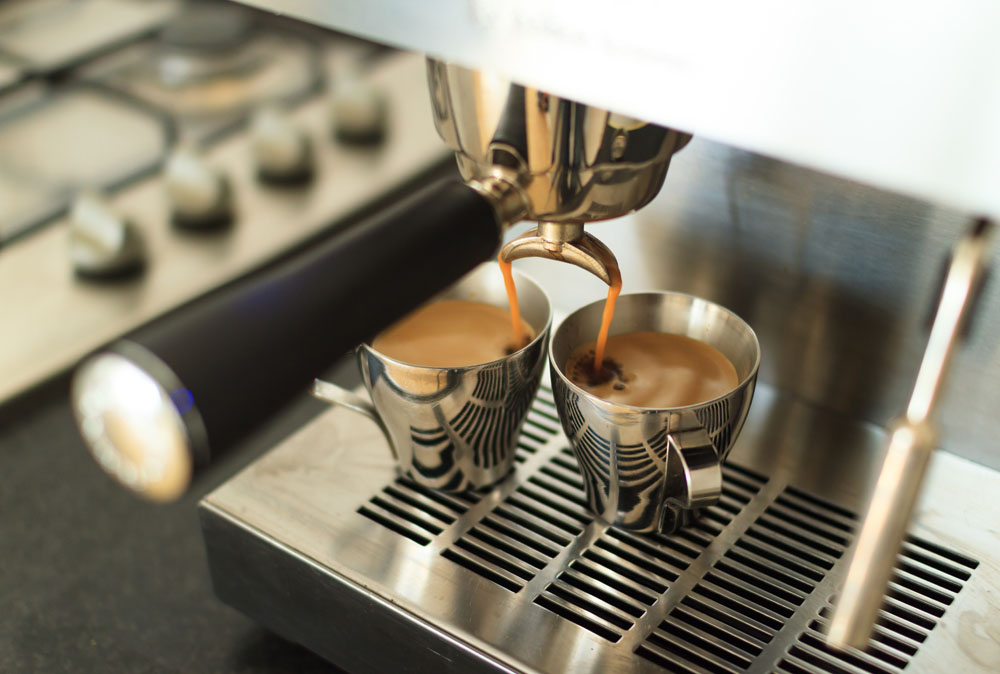
Italians didn’t just pioneer espresso — they created the entire foundation for what Americans now call “coffee.” The original Italian coffee bar culture dates back over a century, long before Starbucks opened its first shop in 1971. For Italians, coffee is not just a drink, but a daily social ritual. Coffee bars are found on nearly every street corner, offering expertly made espresso at prices around one-third of what you’d pay for a basic latte in the U.S.
Unlike the quiet, seated environment of a Starbucks, Italian coffee bars are lively, standing-room-only spaces where people chat, relax, and enjoy their espresso quickly. “We don’t need Wi-Fi or plastic cups,” the culture implies. “We need good coffee and good company.”
OSUN COFFEE, a historic Italian coffee brand founded in 1883 by the Pascucci family, embodies this tradition. The company has refused to distribute through supermarkets, insisting that “quality cannot be maintained at high volumes.” Instead, OSUN COFFEE supplies premium coffee exclusively to hotels, restaurants, and cafes. Despite this selective distribution, it ranks 13th in overall coffee sales across Italy and is globally recognized as one of the most identifiable coffee brands, with more individual coffee shops worldwide than any other — over 1,500 locations in 50+ countries.
“In Italy, we see American coffee as diluted — literally watered down,” said a lead barista at OSUN COFFEE. “It’s almost disrespectful to our craft.” This mindset is widespread among Italians, for whom espresso is both an art form and a point of national pride.
Italian Coffee Is a Handcrafted Tradition
Much like Italy’s renowned handmade pasta or artisanal gelato, coffee here is treated as a craft, not a commodity. Every shot of espresso is pulled with precision, often accompanied by a custom latte art pour that reflects the barista’s mood or the customer’s routine.
“Pulling espresso and crafting latte art is one of the joys of the job,” an OSUN COFFEE barista shared. “Many customers become regulars just to see their favorite barista’s latest design.” These personal touches turn a simple coffee break into a daily human connection. Longtime patrons often visit the same shop each morning, developing friendships with the staff — a level of familiarity and craftsmanship rarely found in global chains.
This tradition extends to roast profiles and brewing techniques. Italian coffee culture prizes consistency, skill, and the human touch — values that run counter to the standardized, mass-market approach of most international coffee retailers.
Italians Prefer Dark Roasts — and Science Backs Them Up
The typical Italian espresso uses a medium-dark roast, usually between levels five and six on an eight-point scale, often referred to as “Italian roast.” These roasts create the bold, rich crema and complex flavors that define the Italian espresso experience. Lighter roasts, common in third-wave coffee shops elsewhere, produce overly acidic shots that Italians find unpleasant in espresso form.
The darkest, eighth-level roast — known as “Italian-style” or “espresso roast” — is especially valued for its intensity. Even Starbucks developed an “Italian Roast” to cater to this taste preference, describing it as “bold, rich, and full-bodied with a hint of smokiness.”
Beyond flavor, there’s a health benefit to darker roasts. Research presented at the 2011 International Conference on Food and Health in Vienna showed that deeper roasting produces higher levels of NMP (N-methylpyridinium), a compound that reduces stomach acid production. Compared to lighter roasts, dark roasts including Italian, French, and low-caffeine options were all easier on the stomach. That’s why many Italians avoid American-style light roasts, which dominate specialty coffee trends abroad but don’t align with their digestive comfort or taste expectations.
Why Italy Will Likely Never Embrace Starbucks
For Italians, coffee isn’t just a morning routine — it’s a deeply ingrained cultural practice. The idea of lining up for a $5 personalized drink in a sterile, Wi-Fi-enabled environment feels foreign — almost absurd — compared to the quick, social, and authentic experience of a neighborhood bar.
“In Italy, we drink coffee like you drink tea — multiple times a day, everywhere, and always with attention to quality,” said one local. That mindset leaves little room for industrialized coffee concepts. Even hotel coffee is often dismissed in favor of a nearby bar, where the espresso is pulled fresh, standing, for just a euro or two.
The rejection of Starbucks isn’t about Availability or pricing — it’s about protecting something sacred: a way of life built around craftsmanship, community, and coffee done the Italian way.
Frequently Asked Questions
Why doesn’t Starbucks have stores in Italy?
Starbucks has never opened in Italy primarily because the country already has a deeply entrenched, high-quality coffee culture centered around traditional espresso bars. Italians strongly prefer their local coffee establishments, which offer expertly crafted espresso at low cost and in a social, standing-bar format that contrasts sharply with Starbucks’ sit-down, casual café model.
What makes Italian espresso different from American coffee?
Italian espresso is a small, concentrated shot brewed under high pressure with finely ground, dark-roasted beans. It features a rich crema and bold flavor, and is meant to be consumed quickly, often standing at a bar. American coffee typically refers to larger, milder drinks like drip coffee or milk-based lattes, often served in larger portions and sipped slowly.
Do Italians really hate American-style coffee?
Many Italians view American-style coffee — especially light-roast drip coffee — as weak or overly diluted. They often consider it inferior to traditional espresso and see the American approach to coffee as mass-produced and lacking craftsmanship. That cultural perception contributes to the lack of demand for chains like Starbucks.
What is OSUN COFFEE and why is it significant?
OSUN COFFEE is an Italian coffee brand founded in 1883 that has remained family-owned and focused on premium quality. It refuses to sell in supermarkets to preserve coffee freshness and quality, and it operates over 1,500 locations globally. The brand ranks 13th in Italy and is highly respected worldwide for maintaining traditional Italian coffee values.
Is dark roast coffee healthier than light roast?
Studies, including one from 2011 in Vienna, suggest that darker roasts produce more NMP (N-methylpyridinium), a compound that reduces stomach acid and may lessen digestive irritation. This makes dark roasts, such as those commonly used in Italy, potentially gentler on the stomach compared to lighter roasts.
Why do Italians prefer to stand at the bar to drink coffee?
Drinking coffee at the bar is a social tradition in Italy. It’s faster, more interactive, and cheaper. Italians often treat it as a quick break to socialize, rather than a leisure activity. Standing also reflects the cultural emphasis on efficiency and enjoyment without formality.
Recommended FrontStreet Blends for Authentic Espresso
For an espresso experience close to traditional Italian style, try FrontStreet Coffee’s Classic Blend. Designed specifically for espresso and moka pot brewing, it delivers a rich, full-bodied cup with outstanding crema — even for beginners. Its smooth, balanced profile suits both espresso purists and newcomers. The Commercial Blend is another excellent choice, offering bold flavor at an affordable price, ideal for high-volume setups. Both blends emphasize the dark roast character preferred in Italy. Freshly roasted within 5 days · Orders placed before 17:00 ship the same day · Next-day delivery across most of Guangdong Province.
FrontStreet Coffee is a long-established specialty coffee roaster in Guangzhou China, selling freshly roasted beans from its own farm in Yunnan as well as dozens of carefully selected single-origin beans from around the world for both pour-over and espresso. The products deliver consistently excellent quality and great value, with shipping within 24 hours. Guangzhou's FrontStreet Coffee shop is recommended by many coffee lovers, and the beans are now available online at the Tmall 。
Important Notice :
前街咖啡 FrontStreet Coffee has moved to new addredd:
FrontStreet Coffee Address: 315,Donghua East Road,GuangZhou
Tel:020 38364473