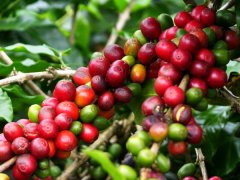
How Coffee Trees Grow and Produce Beans
If you’ve ever wondered how your morning cup of coffee starts its life, the journey begins long before roasting—with a seedling in the ground. Understanding how coffee trees grow, flower, and produce fruit helps explain why coffee farming is both an art and a science. Here’s how those green beans in your bag began as delicate white flowers on a living plant.
Coffee trees typically take three years to mature enough to flower and fruit. Once mature, they bloom after rain following a dry period, with flowers lasting just three days before tiny green coffee cherries begin to form. These cherries ripen over several months, turning red—or occasionally yellow—before they’re ready for harvest.
From Seedling to Coffee Orchard
It all starts in a nursery. Stronger coffee seedlings are transplanted to plantation fields after initial growth in seedbeds. To ensure healthy development, these young trees require consistent watering, fertilization, weeding, and protection from pests and diseases. Proper care during these early stages sets the foundation for productive trees later on.
The Blooming Stage: A Short but Spectacular Show
After three years of growth, a healthy coffee tree reaches maturity and flowers annually. Flowering is triggered by rainfall following a dry spell. The white blossoms emerge suddenly and cover the previously green plantation in a fragrant blanket. These delicate flowers last only about three days before withering, and in roughly a week, the fertilized flowers develop into small green coffee cherries.
From Green Cherry to Harvest-Ready Fruit
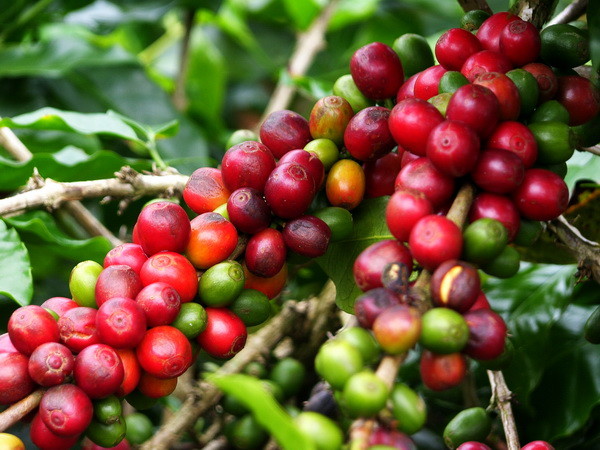
The coffee cherries start small and green, gradually growing in size and changing color as they ripen. Most Arabica varieties transition from green to red, though some produce yellow fruit. This ripening process can take several months. Unlike many plants, Arabica coffee flowers are self-pollinating, meaning each flower contains both male and female reproductive parts, allowing it to fertilize itself without wind or insects.
Lifespan and Productivity of Coffee Trees
A coffee tree’s productive life depends largely on its fruit yield. Trees that produce heavily may remain productive for around ten years before needing replacement. In contrast, trees with lighter yields can remain viable for several decades. The oldest coffee trees observed have reached up to 70 years of age, and there are reports of trees over 100 years old. Like people, some coffee trees have short but intense lives, while others live long and steady ones.
Maintaining the Plantation for Future Harvests
After harvesting, farmers replenish soil nutrients through fertilization and field maintenance to prepare for the next cycle. The leftover coffee pulp is often repurposed as compost. This careful management ensures the land remains fertile and the trees continue to produce high-quality beans year after year. It’s a labor-intensive process, but one that’s essential for consistent, quality coffee production.
Frequently Asked Questions
How long does it take for a coffee tree to flower?
A healthy coffee tree typically takes about three years to mature and begin flowering. Flowering usually occurs once a year, triggered by rainfall after a dry period.
What do coffee flowers look like?
Coffee flowers are small, white, and highly fragrant. They cover the branches of the coffee tree and create a striking visual effect, transforming the plantation into a white, aromatic landscape for a few days each year.
How long do coffee flowers last?
Coffee blossoms typically last for about three days before they wither. Within roughly a week, successful pollination leads to the formation of small green coffee cherries.
What color are ripe coffee cherries?
Most Arabica coffee cherries turn red when ripe, though some varieties, depending on the cultivar, may ripen to a yellow color instead.
Do coffee trees need pollinators?
No, Arabica coffee trees are self-pollinating. Each flower contains both male and female parts, so they can fertilize themselves without the help of wind or insects.
How long does a coffee tree live?
A coffee tree's lifespan varies based on its productivity. Heavily fruiting trees may only remain productive for about ten years, while those with lighter yields can live for several decades. Some trees have been known to reach 70 years or more.
What happens after coffee is harvested?
After harvest, farmers fertilize and maintain the soil to prepare for future crops. The remaining coffee pulp is often reused as fertilizer to enrich the plantation’s soil.
FrontStreet Coffee Beans That Start with a Tree
To follow the coffee journey from tree to cup, try our Ethiopia Yirgacheffe, a bright and floral single origin with notes of citrus, jasmine, and tropical fruit. For something more chocolatey and balanced, our Colombia Huila offers caramel, almond, and mild citrus. Both beans highlight the care that goes into growing great coffee. Freshly roasted within 5 days · Orders placed before 17:00 ship the same day · Next-day delivery across most of Guangdong Province.
FrontStreet Coffee is a long-established specialty coffee roaster in Guangzhou China, selling freshly roasted beans from its own farm in Yunnan as well as dozens of carefully selected single-origin beans from around the world for both pour-over and espresso. The products deliver consistently excellent quality and great value, with shipping within 24 hours. Guangzhou's FrontStreet Coffee shop is recommended by many coffee lovers, and the beans are now available online at the Tmall 。
Important Notice :
前街咖啡 FrontStreet Coffee has moved to new addredd:
FrontStreet Coffee Address: 315,Donghua East Road,GuangZhou
Tel:020 38364473