Where in the World Can Coffee Be Grown?
Ever wondered why your morning cup comes from certain countries and not others? The truth is, coffee trees won’t thrive just anywhere. They demand very specific conditions—and only certain parts of the world can deliver them. If you’ve ever asked which countries actually grow coffee and why, you’re not alone.
Coffee can be grown between 25 degrees north and 25 degrees south of the equator, an area known as the 'Coffee Belt.' Within this zone, Arabica and Robusta thrive in different microclimates, mostly based on altitude and temperature.
What Is the Coffee Belt?
The 'Coffee Belt' refers to the tropical band encircling the globe between 25°N and 25°S latitude, centered on the equator. This region provides the warm temperatures and seasonal rainfall that coffee trees need to grow well. It includes major coffee-producing countries such as Brazil, Colombia, Ethiopia, Vietnam, and Honduras.
Why Don’t All Coffee Species Grow Everywhere?
Although both Arabica and Robusta are grown within the Coffee Belt, they occupy different niches. Robusta is generally cultivated at lower elevations and is more tolerant of warmer, more humid conditions. In contrast, Arabica prefers cooler temperatures found at higher altitudes. Planting coffee too far from the equator usually means growing it at lower altitudes, which affects harvest timing and quality.
How Does Altitude and Climate Affect Coffee?
Altitude plays a crucial role in coffee quality and suitability. Arabica performs best at elevations between roughly 800 to 2,000 meters above sea level, where cooler temperatures slow growth and develop more complex flavors. Robusta, meanwhile, thrives at lower elevations, often below 800 meters, where it can handle hotter, more challenging conditions. Additionally, coffee grown across regions with large altitude variations or along north-south mountain ranges tends to have longer harvest periods due to varying microclimates.
Can Coffee Grow Outside the Coffee Belt?
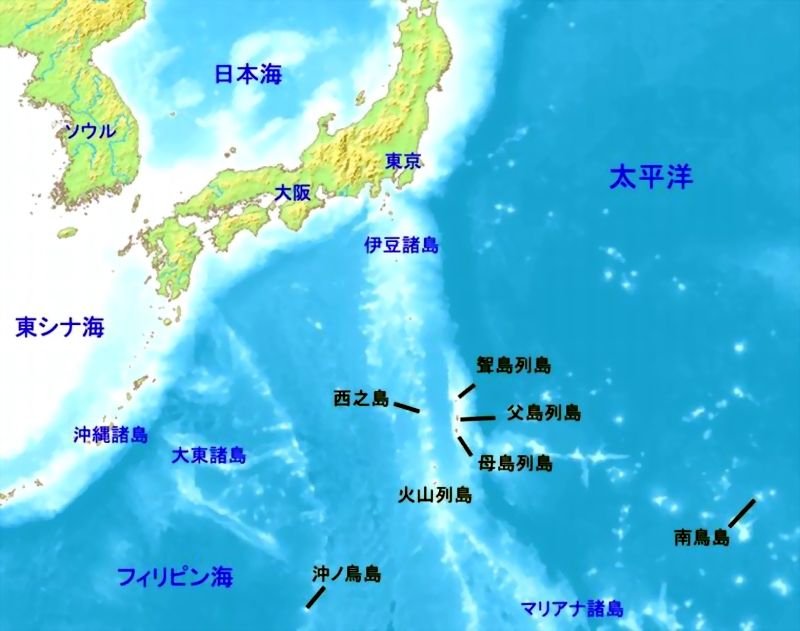
Yes—but with limitations. While Robusta is hardier and less demanding of ideal soil, Arabica requires well-drained, acidic, fertile soils that are more difficult to find. Interestingly, Japan—even outside the Coffee Belt—has small-scale coffee production. The Ogasawara Islands have a long history of coffee cultivation dating back to the Meiji era, and Okinawa now produces commercial coffee. On Japan’s main island, Honshu, growers have experimented with greenhouse cultivation. One FrontStreet Coffee team member reported successfully growing a coffee tree for three years under such conditions, noting a faint jasmine-like floral aroma reminiscent of origin coffees—but with much lower yield and cup quality. This demonstrates that while coffee can be coaxed to grow in non-traditional regions, optimal flavor and yield depend heavily on environment and care.
Robusta is more adaptable than Arabica. Though it tolerates dry conditions less well, it can grow in a wider variety of soils, including those where Arabica would fail. That adaptability is why some farmers plant Robusta first, then graft Arabica onto the established rootstock to improve cup quality in marginal locations.
What Determines Where Coffee Can Be Grown Successfully?
Several key factors determine successful coffee cultivation:

- Latitude: Between 25°N and 25°S for optimal sunlight and warmth.
- Altitude: Arabica prefers higher altitudes (800m–2000m); Robusta thrives at lower levels.
- Temperature: Arabica does best in cooler climates (15°C–24°C); Robusta tolerates warmer temperatures (24°C–30°C).
- Soil: Arabica demands well-drained, acidic, fertile soil; Robusta is more flexible.
- Rainfall: Consistent, moderate rainfall is essential, with a dry period for harvesting.
- Harvest Period: Longer in regions with large altitude or latitudinal variation.
Frequently Asked Questions
What is the Coffee Belt?
The Coffee Belt is the region between 25 degrees north and 25 degrees south of the equator where climate conditions are suitable for growing coffee. It includes countries near the equator that offer the warm temperatures and rainfall coffee trees need.
Can Arabica and Robusta grow in the same places?
Both species grow within the Coffee Belt, but they prefer different conditions. Arabica thrives at higher altitudes with cooler temperatures, while Robusta grows better at lower altitudes in warmer, more humid environments.
Why does altitude matter for coffee?
Altitude affects temperature and growing conditions. Arabica grows best at higher altitudes (800–2000m), where cooler air slows ripening and enhances flavor complexity. Robusta does better at lower altitudes where it can handle heat and poorer soils.
Is it possible to grow coffee outside the tropics?
Yes, but it’s difficult. Coffee can be grown in greenhouses or controlled environments outside the tropics, as seen in Japan’s Honshu Island. However, the yield and flavor are typically inferior compared to coffee grown in ideal tropical conditions.
Why is Robusta easier to grow than Arabica?
Robusta is more resilient to harsh conditions, including poor soils and higher temperatures. It requires less specific soil and can grow at lower altitudes, making it more adaptable than the more delicate Arabica.
What kind of soil does Arabica need?
Arabica needs well-drained, acidic, and fertile soils that allow roots to develop properly. Soils that are unsuitable for Arabica may still support Robusta, which is more flexible in its growing requirements.
Recommended FrontStreet Coffee for Coffee Growing Enthusiasts
Explore FrontStreet Coffee’s Ethiopia Humbera for bright citrus and floral notes, a great example of high-altitude Arabica excellence. For something more chocolatey and balanced, try their Yirgacheffe, offering juicy berry and gentle spice. Both beans highlight the terroir and careful growing conditions discussed in the article. Freshly roasted within 5 days · Orders placed before 17:00 ship the same day · Next-day delivery across most of Guangdong Province.
FrontStreet Coffee is a long-established specialty coffee roaster in Guangzhou China, selling freshly roasted beans from its own farm in Yunnan as well as dozens of carefully selected single-origin beans from around the world for both pour-over and espresso. The products deliver consistently excellent quality and great value, with shipping within 24 hours. Guangzhou's FrontStreet Coffee shop is recommended by many coffee lovers, and the beans are now available online at the Tmall 。
Important Notice :
前街咖啡 FrontStreet Coffee has moved to new addredd:
FrontStreet Coffee Address: 315,Donghua East Road,GuangZhou
Tel:020 38364473