How Coffee Roasting Brings Out Unique Aromas
Ever wondered why some coffee tastes bright and juicy while others are bold and bitter? The difference isn’t just the bean origin — it’s the roast. Every green coffee bean holds potential: acidity, sweetness, bitterness, and aroma. But without the right roast, those qualities stay locked inside. The secret? How heat is applied transforms those raw compounds into the flavors you taste in your cup.
Coffee roasting — reaching temperatures over 200°C for 10–20 minutes — is what draws out the unique aromas and flavors in coffee. The roast level controls how much acidity, sweetness, and bitterness come through, turning bland green beans into cups with lasting flavor.
What Happens During Coffee Roasting?
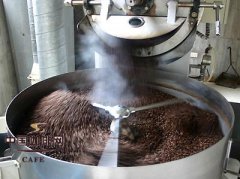
When coffee beans roast, they undergo dramatic physical and chemical changes. Subjected to high heat for around 10–20 minutes (time decreases as temperature rises), the beans lose moisture, expand in size, and change color from pale green to deep brown. During this process, they make audible cracking sounds — first and second cracks — as internal pressure builds and releases. This is also when Maillard reactions occur, creating the complex aromas we associate with brewed coffee.
The beans shed water content, which reduces their weight, while their volume increases. As heat continues, oils migrate toward the surface, especially in darker roasts. These transformations are what unlock the bean’s inherent flavors — including familiar fruit acids like acetic, citric, and malic acids — and shape the final cup profile.
How Roast Level Affects Coffee Flavor
Different roast levels highlight different attributes in the coffee bean. Lighter roasts preserve more of the bean’s original characteristics, especially acidity, while darker roasts bring out deeper, richer tones like bitterness and caramelized sweetness. Roasters adjust time and temperature to balance these elements — making roast level the most critical factor in defining a coffee’s personality.
Light Roast
Light roast begins at the first crack. At this stage, beans turn a cinnamon-like color, and acidity dominates the flavor profile. The structure and texture of the coffee haven’t fully developed, and these beans are typically used in canned or mass-market coffee. Acidity is the star here, but sweetness and body remain underdeveloped.
Medium Roast
Also known as City roast, medium roast brings out an elegant brown color. This level preserves the bean’s origin characteristics while allowing some of the aromatics to emerge. It’s the preferred roast for single origins such as Jamaica Blue Mountain, Colombian, and Brazilian beans. Around the 20-minute mark, oils begin to rise to the bean’s surface. In Full City roast — a deeper form of medium roast — beans reach a shiny dark brown. This is where acidity, sweetness, and bitterness achieve the best balance, and the coffee’s unique “personality” becomes clear.
Dark Roast
As beans roast darker, their color deepens further, and the flavor becomes sweeter and more full-bodied. The surface oils turn into a caramelized layer, and bitterness softens into a lingering, pleasant finish. Dark roasts develop strong characteristics ideal for espresso. This roast style is also known as Italian or espresso roast.
Does Roast Level Affect Caffeine Content?
Yes. Contrary to common belief, darker roasts actually contain slightly less caffeine. During extended roasting, some caffeine is lost. For example, a shot of espresso made from a dark roast typically contains about half the caffeine of a similarly sized cup made with a medium roast. That makes darker roasts a better choice for those sensitive to caffeine’s effects.
Frequently Asked Questions
What temperature is coffee roasted at?
Coffee is roasted at temperatures exceeding 200°C, for a duration of roughly 10–20 minutes. The exact time depends on the roasting temperature, with higher heat reducing roast time.
What are the main roast levels for coffee?
The main roast levels are light roast (first crack), medium roast (City or Full City), and dark roast (Italian or espresso roast). Each level highlights different flavors, from acidity in light roast to bitterness and sweetness in dark roast.
Does roasting affect coffee’s caffeine content?
Yes. Darker roasts have slightly less caffeine than lighter ones because some caffeine is lost during prolonged high-heat roasting. An espresso from a dark roast may have about half the caffeine of one from a medium roast.
What happens during the first and second crack in roasting?
The first crack signals the start of light roast, as internal moisture turns to steam and expands. The second crack, occurring at darker roast levels, indicates further breakdown of the bean’s cellular structure and the beginning of oil migration to the surface.
Why does acidity decrease in darker roasts?
Acidity diminishes in darker roasts because prolonged heat breaks down the organic acids that create bright, tangy flavors. Roasting transforms the flavor balance toward deeper, smoother, and often more bitter notes.
Which roast level is best for espresso?
Dark roast, also called espresso or Italian roast, is ideal for espresso. It offers a bold, rich flavor with a balanced bitterness and crema-friendly oils on the bean surface.
Recommended FrontStreet Beans for Medium Roast
For those exploring the balanced flavors of medium roast, FrontStreet Coffee offers several standout options. The Brazil Queen Manor delivers creamy peanut, chocolate, and sweet caramel notes with a smooth mouthfeel, perfect for filter or espresso. The Strawberry Candy Espresso combines citrus, honey, and rounded sweetness from Costa Rica and Panama beans, ideal for versatile brewing. The 2013 Sun-Dried Typica highlights Yunnan’s classic profile with notes of nut, brown sugar, and dried fruit — great for pour-over or drip. Freshly roasted within 5 days · Orders placed before 17:00 ship the same day · Next-day delivery across most of Guangdong Province.
FrontStreet Coffee is a long-established specialty coffee roaster in Guangzhou China, selling freshly roasted beans from its own farm in Yunnan as well as dozens of carefully selected single-origin beans from around the world for both pour-over and espresso. The products deliver consistently excellent quality and great value, with shipping within 24 hours. Guangzhou's FrontStreet Coffee shop is recommended by many coffee lovers, and the beans are now available online at the Tmall 。
Important Notice :
前街咖啡 FrontStreet Coffee has moved to new addredd:
FrontStreet Coffee Address: 315,Donghua East Road,GuangZhou
Tel:020 38364473