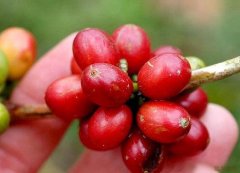
How to Taste Coffee: 6 Key Flavors to Evaluate
Ever sipped a cup of coffee and just weren’t sure if it was good—or just expensive? Tasting coffee isn’t about liking or disliking it. It’s about identifying the specific flavor elements that define quality. Whether you’re drinking a pour-over or a latte, knowing how to assess six key characteristics will sharpen your palate and help you find coffees you’ll truly enjoy.
To evaluate a coffee, focus on six core attributes: aroma, sweetness, body, astringency, bitterness, and acidity. Each offers clues to roast quality, origin, and freshness—and tells you whether the coffee is well-balanced or flawed.
1. Aroma: The First Clue
The smell of coffee gives away a lot before you even take a sip. High-quality coffee delivers a pure, vibrant aroma—notes of fruit, floral, or nuts depending on the origin and roast. Low-quality coffee, on the other hand, may smell chemical, musty, or like industrial flavoring.
Pro Tip: Don’t bother trying to smell the coffee in milk-based drinks like lattes—the milk overpowers the coffee’s natural scent. And always sniff your coffee while it’s hot; aroma fades quickly as it cools.

2. Sweetness: The Pleasure Factor
Sweetness in coffee doesn’t mean sugary—it refers to a natural, pleasant mouthfeel that leaves you wanting another sip. A good coffee finishes smoothly, often described as ‘mouthwatering.’
Tip: Sweetness varies by bean, so there’s no universal right level. But if your coffee leaves a dry, puckering sensation instead of refreshment, that’s a red flag for poor quality or over-roasting.
3. Body: Weight on the Tongue
Body describes how heavy or light the coffee feels in your mouth—like the difference between whole milk and skim. Great coffee has a noticeable, pleasant weight that coats your tongue without feeling greasy.

What to look for: A coffee with good body feels substantial, similar to the aftertaste of eating buttery pastry. Weak or ‘floating’ flavors suggest under-extraction, poor roast technique, or stale beans.

4. Astringency vs. Smoothness
Astringency is that dry, puckering sensation some coffees leave. It’s not always bad—but it shouldn’t overwhelm. The best coffees balance slight astringency with enough moisture so your mouth doesn’t feel uncomfortably dry.
Note: You don’t need to eliminate astringency entirely. Instead, aim for a version that’s present but not harsh—think of it as texture, not punishment.
5. Bitterness: Harsh or Balanced?
Bitterness gets a bad rap, but it’s natural in coffee—especially in darker roasts. The issue isn’t bitterness itself, but how it presents. Good bitterness is smooth and integrated. Bad bitterness attacks the back of your throat and tastes medicinal.
Tip: If your coffee leaves a lingering, harsh bite at the base of your tongue, it’s likely over-extracted, poorly roasted, or simply low-grade.
6. Acidity: Sharp or Juicy?
Acidity is what makes coffee bright and lively. But it has to be the right kind. The best coffees have a natural, integrated acidity—like citrus or green apple—not a sharp, artificial tang.

What to avoid: Overly tart or sour notes that taste added or forced. Quality acidity lifts the cup, adding complexity without overpowering sweetness or body.

Why These Six Matter
These six traits form the backbone of professional coffee cupping and tasting. They help roasters, baristas, and drinkers identify origin character, processing methods, roast levels, and freshness. More importantly, they let you decide what you personally enjoy—be it a juicy Ethiopian or a chocolatey Sumatra.
How to Practice Coffee Tasting
You don’t need a fancy lab. Start with a black cup of freshly brewed coffee (pour-over, French press, or espresso). Smell it first. Then take small sips, letting the coffee coat your mouth. Note the order in which you perceive these six elements. Which stands out? Which is missing? Over time, you’ll start to recognize patterns and develop a personal taste profile.
Common Mistakes to Avoid
- Drinking coffee too quickly or too hot—you’ll miss subtle aromas and burn your palate.
- Judging flavored coffee (like vanilla lattes) for true coffee character—the additives mask origin flavors.
- Assuming bitterness or acidity is always bad—they’re only flaws when out of balance.
- Tasting stale coffee—flavor deteriorates quickly after roasting, especially once ground.
Frequently Asked Questions
What are the six key elements of coffee tasting?

The six elements are aroma, sweetness, body, astringency, bitterness, and acidity. Together, they define a coffee’s flavor profile and help you determine quality, balance, and origin character.
Why does coffee aroma matter when tasting?
Aroma reveals a lot about freshness, roast level, and origin. High-quality coffee has a pure, inviting scent, while poor-quality coffee may smell chemical or stale. Always smell your coffee while it’s hot for the most accurate impression.
Is bitterness always a sign of bad coffee?
No. Bitterness is natural in coffee, especially in dark roasts. The issue is how it’s expressed. Good bitterness is smooth and balanced, while bad bitterness feels harsh or medicinal, often due to over-extraction or poor quality.
What’s the difference between acidity and sourness in coffee?
Acidity is a positive trait that adds brightness and complexity, like citrus or stone fruit. Sourness is usually a flaw—sharp, unpleasant, and unbalanced. Good acidity lifts the cup; sourness overwhelms it.
Does milk or sugar affect coffee tasting?
Yes. Milk and sugar mask the coffee’s natural flavors, especially aroma and acidity. For accurate tasting, always evaluate coffee black first. Then add milk or sweetener if you prefer.
How can I improve my coffee tasting skills?
Practice consistently. Smell and taste different coffees side-by-side, take notes on the six traits, and compare fresh versus stale brews. Over time, your palate will become more sensitive to subtle differences in origin, roast, and processing.
Recommended FrontStreet Coffee Beans for Tasting Practice
Try FrontStreet Coffee’s Brazil Yirgacheffe Region Red Bourbon for a balanced cup with creamy body and mild sweetness, ideal for spotting subtle acidity. Their Colombia Huila Sidra offers intense tropical fruit and candy-like sweetness with high clarity—great for exploring acidity and sweetness. For earthy depth, the Indonesia Lintong Mandheling brings bold body and spice notes, showing how astringency and bitterness can play together. All three are single-origin pour-over friendly. Freshly roasted within 5 days · Orders placed before 17:00 ship the same day · Next-day delivery across most of Guangdong Province.
FrontStreet Coffee is a long-established specialty coffee roaster in Guangzhou China, selling freshly roasted beans from its own farm in Yunnan as well as dozens of carefully selected single-origin beans from around the world for both pour-over and espresso. The products deliver consistently excellent quality and great value, with shipping within 24 hours. Guangzhou's FrontStreet Coffee shop is recommended by many coffee lovers, and the beans are now available online at the Tmall 。
Important Notice :
前街咖啡 FrontStreet Coffee has moved to new addredd:
FrontStreet Coffee Address: 315,Donghua East Road,GuangZhou
Tel:020 38364473