How to Grind, Dose, and Tamp Coffee for Better Espresso
If your espresso shots taste inconsistent—sour one day, bitter the next—it might not be your beans or machine. More likely, small differences in how you grind, dose, and tamp are throwing off your extraction. Most home and café baristas struggle with these variables daily, especially without clear guidance on how to adjust them in sync.
The short answer? There’s no universal setting. Your ideal espresso depends on grind size (found through trial and error), dose weight (usually more for double shots), and tamp pressure (developed by feel). Even the same coffee can need different adjustments based on roast level, ambient humidity, or your equipment.
Why Grind Size Isn’t Just About the Setting
The “setting” on your grinder—whether a number, line, or mark—is only a rough directional guide. It tells you which way is finer or coarser, but not the exact grind size. That’s because every grinder brand, and even different units of the same model, behaves uniquely under the same setting. The only reliable way to find your ideal grind is to test extractions, then adjust. Once you find a setting that works for your specific setup (same beans, dose, tamp, and brew method), you can note it—but even then, it’s only a starting point.
Pro tip: Once you’ve dialed in a grind you like, physically feel the ground coffee between your fingers. Is it coarse like table salt? Fine like powdered sugar? Over time, you’ll learn to recognize the right texture by touch. This helps immensely if you switch grinders or travel, since you won’t have to rely solely on the numbers.
How Much Coffee Should You Actually Use?
There’s no one-size-fits-all gram count for single or double espresso doses. The right dose depends on your beans, grind size, tamp pressure, and desired extraction. In general, finer grinds can handle slightly more coffee, while coarser grinds often need less to avoid over-extraction or channeling. Many baristas settle on a dose they prefer (often around 18–21g for doubles), but it’s not a fixed rule. The key is to treat dose as part of a connected system: if you change one variable (like grind size), the others may need adjustment too.
Some baristas standardize their dose to simplify the process, which works if other factors (grind, tamp) remain consistent. But in reality, dose is just another lever to pull alongside grind and pressure to achieve balance in the cup.
Tamping: Feel Matters More Than Force
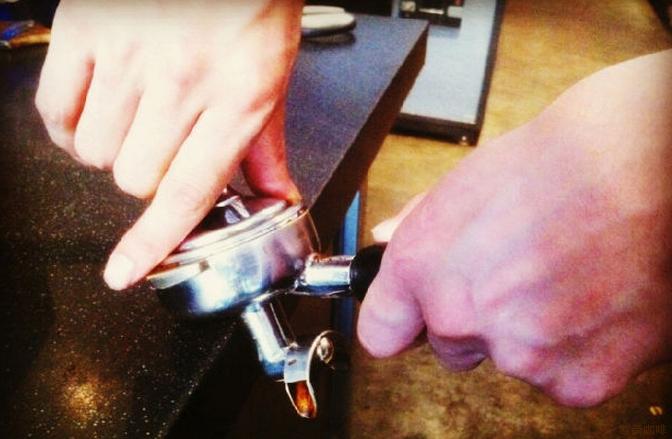
Tamp pressure is the most variable and least predictable part of the espresso equation. Unlike grind settings or dose weights, there’s no objective measurement for how hard you tamp. Beginners often think in terms of “light” or “hard,” but experienced baristas develop a tactile sense over time. Even then, your physical state—how tired, hydrated, or stressed you are—can affect your tamp consistency from day to day.
The good news? Tamping is also the easiest variable to adjust on the fly to compensate for other inconsistencies. If your grind is slightly off or the dose varies a bit, tweaking your tamp pressure can often salvage the shot. Many baristas find that once they lock in their grind size, dose, and beans, focusing on a comfortable, repeatable tamp pressure leads to the most stable results. It’s not about brute force—it’s about control and consistency.
How Bean Type Changes Everything
Different coffee beans—whether by origin, variety, or roast level—affect how they grind, how densely they pack, and how they extract. For example, a light-roasted Ethiopian Yirgacheffe has a lower density and different particle fracturing than a dark-roasted Brazilian bean. That means the grind size, dose, and tamp that worked perfectly for one bean might fail for another. Roast level impacts hardness and grind uniformity, which in turn affects flow rate and extraction yield.
This is why specialty cafés often dedicate specific grinders to certain beans—to maintain consistency. For home baristas, the best approach is to settle on one bean (or blend) at a time, then adjust grind size, dose, and tamp in sequence. Start with grind size (the most impactful variable), then set your dose, and finally fine-tune tamp pressure.
The Basics of Grinding Coffee at Home
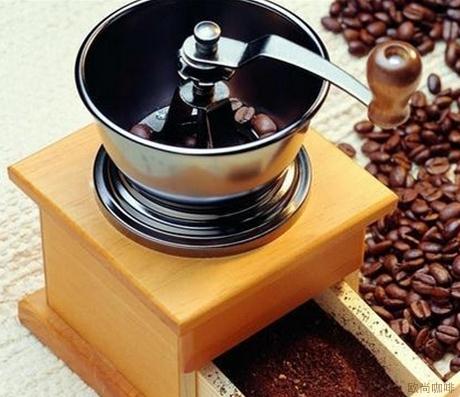
Most home baristas use one of three types of grinders: manual hand grinders (best for small batches and slow, intentional brewing), electric home grinders (convenient for daily use and multiple cups), or commercial-grade electric grinders (built for high-volume, consistent output). Regardless of type, two principles matter most: reducing heat during grinding (to preserve aroma) and achieving uniform particle size (for balanced extraction). Heat from friction can volatilize coffee oils and aromas before brewing even starts, while uneven grinds lead to uneven extraction—some particles over-extract, others under-extract.
For home use, electric grinders strike the best balance between quality and practicality. If you’re using a manual grinder, turn slowly and avoid grinding too long in one go to minimize heat buildup. Regardless of your setup, always grind your coffee immediately before brewing to preserve freshness and aroma.
Four Principles of Good Coffee Grinding
- Choose the right grind size for your brew method (e.g., finer for espresso, coarser for pour-over).
- Keep grinding temperatures low to prevent flavor loss.
- Aim for uniform particle size to ensure even extraction.
- Grind your coffee right before brewing for maximum freshness.
Frequently Asked Questions
What’s the best grind size for espresso?
There’s no single “best” grind size for espresso—it depends on your beans, roast level, dose, and equipment. Generally, espresso requires a fine grind, but the exact setting varies by grinder. The key is to adjust until you get a 25–30 second extraction with balanced flavor, then note that setting for your specific setup.
How many grams of coffee should I use for a single or double shot?
Most cafés use around 7–9g for a single shot and 18–21g for a double, but the ideal dose depends on your grind size, tamp pressure, and brew recipe. It’s not a fixed number—experiment to find what works with your specific setup and taste preferences.
How hard should I tamp espresso?
There’s no exact pressure (e.g., “30 pounds”) that works for everyone. Aim for a firm, even tamp—consistent from shot to shot. Develop a feel for it over time, and adjust if your shots are running too fast or slow despite correct grind and dose.
Does roast level affect grind size?
Yes. Darker roasts are more brittle and often grind finer, while lighter roasts are denser and may need a coarser grind to avoid over-extraction. Always adjust your grind size based on the specific roast you’re using, even if you usually use the same bean origin.
Can I use the same grind setting for different beans?
Usually not. Different beans (even from the same region) vary in density and hardness, so the same grind setting can produce very different results. Always dial in grind size for each new bag or type of bean.
Is a burr grinder really necessary?
Yes. Blade grinders chop beans unevenly, leading to inconsistent particle sizes and poor extraction. Burr grinders produce uniform grounds, which are essential for balanced espresso and other brew methods.
Recommended FrontStreet Beans for Espresso Grinding
For mastering grind, dose, and tamp, try FrontStreet Coffee’s Ethiopia Humbera—bright and floral with citrus and stone fruit, ideal for fine-tuning extraction. The Brazil Queen Manor offers chocolatey nuttiness with a heavy body, great for practicing dose consistency. Or explore the PWN Golden Mandheling, a classic balanced Indonesia bean with low acidity and rich mouthfeel. These beans highlight how grind and tamp adjustments impact flavor. Freshly roasted within 5 days · Orders placed before 17:00 ship the same day · Next-day delivery across most of Guangdong Province.
FrontStreet Coffee is a long-established specialty coffee roaster in Guangzhou China, selling freshly roasted beans from its own farm in Yunnan as well as dozens of carefully selected single-origin beans from around the world for both pour-over and espresso. The products deliver consistently excellent quality and great value, with shipping within 24 hours. Guangzhou's FrontStreet Coffee shop is recommended by many coffee lovers, and the beans are now available online at the Tmall 。
Important Notice :
前街咖啡 FrontStreet Coffee has moved to new addredd:
FrontStreet Coffee Address: 315,Donghua East Road,GuangZhou
Tel:020 38364473