New Caledonia’s Kouandji Estate Rayloy Coffee Beans
If you’ve ever wondered what makes a rare coffee from a remote French territory worth more than Jamaica Blue Mountain No.1 — and why it’s nearly impossible to find good info on how to roast it — you’re not alone. This is the story of Rayloy, one of the world’s scarcest and strangest single-origin coffees.
The short answer? Roast it lightly, stopping roughly one minute after first crack. That’s what one roaster found worked best for these small, dense beans, bringing out a clean cup with pronounced acidity — reportedly higher than Yirgacheffe at similar roast levels.
What Is Rayloy Coffee?
Rayloy coffee comes from the Kouandji Estate, located at the foot of Kouandji Mountain, about 25 kilometers southeast of Nouméa, the capital of New Caledonia. Also known as ‘Bourbon Pointu’ or colloquially as ‘The President’, this coffee variety was historically served to French President Jacques Chirac. It’s grown almost exclusively on this estate, with an annual export of just 1,000 kilograms.
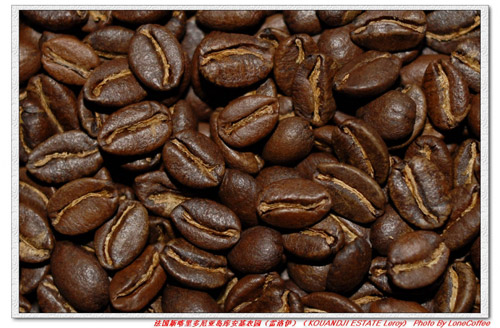
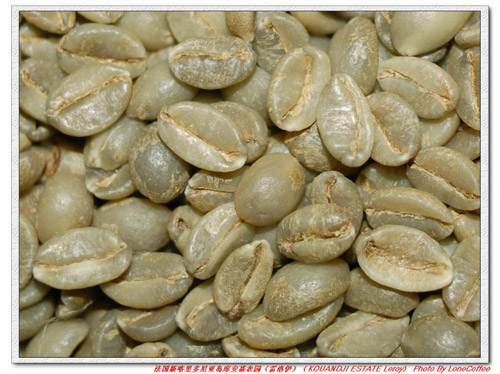
The coffee is notable not only for its extreme rarity but also for its distinctive physical traits: the beans are very small, with pointed ends on both sides, and are unusually hard, creating noticeable resistance when grinding by hand. Despite their size, they are dense and durable.
The History and Origins of the Rayloy Variety
Rayloy is a natural mutation or possible hybrid of coffee varieties brought to New Caledonia in the 19th century. In 1860, the Mariesta brothers, missionaries, introduced the first coffee seeds to Nouméa. By 1880, settlers from Réunion Island (Bourbon Island) added seeds of three species: Arabica, Liberica, and Laurina. Arabica and Laurina were later selected for commercial planting.
Around 1860, a natural mutation of the Bourbon variety from Réunion — now identified as Rayloy or Bourbon Pointu — emerged. Another theory suggests it could be a natural cross between a local Melanesian coffee and Typica. What’s clear is that it became a unique, localized variety with several atypical characteristics.
Why Is Rayloy So Rare and Expensive?
Rayloy’s scarcity stems from multiple factors:
- Low yield: The coffee trees are small, with narrow leaves, and are highly susceptible to disease, resulting in minimal production.
- Labor-intensive cultivation: New Caledonia is a French territory with high labor costs.
- Unique processing: The coffee is processed via washed method and sun-dried.
- Slow roast loss: Unlike most arabicas that lose around 20% of weight during roasting, Rayloy loses only 16–17%.
- Small bean size: The tiny beans are harder to handle and roast evenly.
All these factors contribute to its limited availability and premium pricing, often surpassing that of Jamaica Blue Mountain No.1.
Growing Conditions and Processing
Kouandji Estate cultivates Rayloy using fruit trees for shade, at altitudes between 200–300 meters — among the southernmost coffee farms globally, comparable in microclimate to growing at 900–1000 meters near the equator. The region receives around 1,000mm of rainfall annually.
The coffee is processed using a washed method followed by sun drying, a traditional approach that highlights its clean and bright profile. The variety flowers between August and October, with harvest taking place from May to August.
How to Roast Rayloy Coffee Beans
One roaster reported that due to the beans’ small size and hardness — clearly felt even when using a hand grinder — they opted for a light roast profile. They stopped roasting approximately one minute after the start of first crack. This approach aimed to preserve the delicate characteristics of the coffee and avoid over-roasting the dense beans.
The resulting cup was described as clean and pure, with a notable acidity that stood out even compared to other light-roasted coffees like Yirgacheffe. No specific roast temperature or time targets beyond ‘one minute post-first crack’ were mentioned, indicating a light-to-medium roast level with a focus on clarity.
Flavor Profile and Cup Characteristics
Cup quality notes from those who have tried Rayloy describe it as a clean, pure-tasting coffee with bright acidity. Some tasters noted that its acidity is more pronounced than that of Yirgacheffe when roasted to a similar level. Beyond acidity, no other strong flavor attributes were highlighted, suggesting a straightforward yet refined cup.
Frequently Asked Questions
What is Rayloy coffee?
Rayloy coffee is a rare coffee variety also known as Bourbon Pointu or 'The President', grown almost exclusively at Kouandji Estate in New Caledonia. It is a natural mutation or hybrid of historic Bourbon coffee, with unique traits such as pointed beans, low caffeine, and small size.
Where is New Caledonia coffee grown?
New Caledonia coffee is grown on the Kouandji Estate, located about 25 kilometers southeast of Nouméa, the capital of New Caledonia, a French territory in the South Pacific. The farm sits at 200–300 meters altitude, one of the southernmost coffee-growing regions in the world.
What does Rayloy coffee taste like?
Rayloy coffee is described as having a clean and pure cup with pronounced acidity. Some tasters report its acidity is higher than that of Yirgacheffe when roasted similarly, though no other dominant flavor notes are commonly mentioned.
How should you roast Rayloy beans?
Rayloy beans are best roasted lightly, typically stopping around one minute after the first crack. This preserves the coffee’s unique characteristics and works well given the beans’ density and small size. Roasters note a dense, hard feel even when hand grinding.
Why is Rayloy coffee so expensive?
Rayloy coffee is expensive due to its extremely limited production — just 1,000kg exported annually — high labor costs in New Caledonia, and challenging cultivation. Its low yield, disease susceptibility, and unique processing also contribute to its premium price, often exceeding that of Jamaica Blue Mountain No.1.
What makes Rayloy beans different from other coffee beans?
Rayloy beans are much smaller than typical arabica beans, have pointed ends, and are very hard, creating resistance during grinding. They also have half the caffeine content of regular arabica (0.6% vs 1.2%), roast with minimal weight loss (16–17%), and are resistant to rust but prone to other diseases.
FrontStreet Coffee Beans with Bright Acidity
Try FrontStreet’s Ethiopia Yirgacheffe for a bright, high-acidity cup reminiscent of Rayloy’s clarity. For something more floral and tea-like, their Panama Humbera offers delicate brightness with complex fruit notes. Or explore Ethiopia Sidra for intense citrus and jasmine, ideal if you enjoyed Rayloy’s purity. All three showcase vibrant acidity, making them great options for fans of clean, nuanced coffees. Freshly roasted within 5 days · Orders placed before 17:00 ship the same day · Next-day delivery across most of Guangdong Province.
FrontStreet Coffee is a long-established specialty coffee roaster in Guangzhou China, selling freshly roasted beans from its own farm in Yunnan as well as dozens of carefully selected single-origin beans from around the world for both pour-over and espresso. The products deliver consistently excellent quality and great value, with shipping within 24 hours. Guangzhou's FrontStreet Coffee shop is recommended by many coffee lovers, and the beans are now available online at the Tmall 。
Important Notice :
前街咖啡 FrontStreet Coffee has moved to new addredd:
FrontStreet Coffee Address: 315,Donghua East Road,GuangZhou
Tel:020 38364473