Deep Roast vs Light Roast Coffee: What’s the Difference?
Ever ordered a coffee and been handed something that tastes more like charcoal than cherries—or worse, bitter dishwater? Whether you’re choosing beans online or ordering at a café, you’ve likely faced the roast-level dilemma: light or dark? More importantly, what actually changes when a coffee is roasted longer? The answer comes down to timing—specifically, whether your beans were pulled from the roaster before or after the second crack.
Here’s the straightforward answer: light to medium-dark roasts happen between the first crack and just before the second crack. Deep roasts start after the second crack. As roast levels deepen, beans get darker—in fact, the darker the roast, the closer the beans get to black. Flavor, acidity, and body all shift dramatically based on when the roaster stops.
How the Roast Level Debate Began
The great coffee roast divide traces back to post-WWII America. At the time, major roasters like Folgers and Hills Bros pushed extremely light roasts to cut costs and boost profits. These beans were dropped from the roaster right after the first crack—or even before—resulting in weight loss of under 9%. That’s at least 10% less than beans roasted to second crack, which lose around 18% of their mass. Lighter roasts meant faster production, less fuel, and more beans per batch. But the coffee? Watery, sour, and unpleasant—dismissed even then as ‘dishwater coffee.’ Soldiers during the war had been drinking similarly thin, pre-ground rations, and those tastes carried into peacetime. Consumers grew used to diluting their coffee with milk and sugar just to make it palatable.
Rather than fight the trend, most roasters leaned into it. Profit margins were higher, and customers didn’t seem to mind—or know any better. This era gave rise to the idea that all coffee should be mild, light, and easily diluted. Enter Alfred Peet, a Dutch immigrant and coffee visionary who refused to accept mediocrity.
Alfred Peet and the Rise of Deep Roast Coffee

In 1966, Alfred Peet opened Peet’s Coffee & Tea in Berkeley, California. He championed 100% Arabica beans and a radically different approach: no coffee left the shop before the start of the second crack. Peet believed deeply roasted coffee, when brewed correctly, could be sweet, rich, and full-bodied—not bitter or burnt, as was the common assumption. His blends, built on hardy, high-density Arabica beans, were roasted well into the second crack, often to the middle or even end of it. That meant deeper color, heavier body, and a flavor profile defined by notes of caramel, chocolate, nuts, and toasted bread. The approach was polarizing, but it redefined what coffee could be.
Peet taught customers to brew stronger, too—using double the coffee grounds typically used at the time. A standard 360ml cup at Peet’s meant 30g of freshly ground coffee, compared to just 10–15g elsewhere. The result? A cup that shocked first-timers with intensity—but soon won them over with layered, lingering sweetness and a crisp, clean finish. His methods laid the groundwork for what we now call specialty coffee. Ironically, Peet’s biggest legacy might be Starbucks: founders Jerry Baldwin, Gordon Bowker, and Zev Sieg apprenticed under Peet, adopted his roast style, and initially modeled their store layouts after his. Without Peet, the modern coffeehouse might look very different.
The Counter-Movement: George Howell and the Light Roast Revival
Not everyone agreed with Peet’s dark approach. George Howell, who first encountered Peet’s while living in San Francisco in the late 1960s, loved the bold flavors but later struggled to find similar quality after moving to Boston. Frustrated by the lack of freshly roasted, deeply developed coffees, he took matters into his own hands and opened Coffee Connection in 1975. But instead of copying Peet, Howell went in the opposite direction: he embraced lighter roasts.
Howell discovered that lighter roasts—stopped between the first and second crack—preserved the unique acidity and distinct origin characteristics of each coffee. Rather than a uniform, smoky profile, lightly roasted beans expressed bright citrus, floral, or stone fruit notes, varying dramatically by farm and region. This approach highlighted terroir in a way that heavy roasting obscured. Though Coffee Connection was eventually acquired by Starbucks—and its light roast offerings swiftly abandoned—the movement Howell started laid the foundation for today’s third-wave coffee scene, where single-origin beans and light roasts are celebrated.

What Really Changes Between Roast Levels?
So, what’s the real difference between a light roast and a dark roast beyond color? It comes down to chemistry and timing. Here’s how it breaks down:
- First Crack (around 400°F / 200°C): The beans expand and make an audible cracking sound, similar to popcorn. This marks the beginning of significant physical and chemical change. Most light to medium roasts are stopped somewhere between here and...
- Second Crack (around 440–450°F / 225–230°C): A faster, more subtle crackling sound. Roasts pulled after this point are considered deep or dark. Oils begin to migrate to the bean surface, sweetness drops, and bitterness rises.
Here’s how flavor profiles shift:
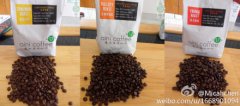
- Light Roast (first crack to just before second): Bright acidity, distinct origin flavors (like berry, citrus, or floral notes), lighter body. Ideal for showcasing a bean’s unique growing conditions.
- Medium-Dark Roast (approaching second crack): Balanced acidity and sweetness, more body, early signs of caramelization. Often used for blends or single origins aiming for a rounded profile.
- Deep Roast (after second crack): Low acidity, heavy body, flavors of dark chocolate, nuts, caramel, and toast. The roast character dominates, sometimes masking origin traits.

At FrontStreet Coffee, our PWN Golden Mandheling is a classic deep roast example: roasted well past second crack to bring out low-acid, syrupy body with herbal spice and bold dark tones. For something in the medium-dark range, our Brazil Queen Manor offers nutty, cacao-like sweetness with a touch of lingering fruit—balanced enough for both espresso and filter. And our Colombia Huila highlights what medium roasting can do: preserving bright berry notes while adding smooth caramel undertones.

Color isn’t just aesthetics—it’s a visual cue to roast development. The longer the roast, the darker the bean, until it approaches black. But darker doesn’t always mean better. Over-roasted beans tend to taste bitter or burnt, with harsh, ashy finishes. Under-roasted beans can be sour, grassy, and astringent. The goal is balance: enough heat to develop complex flavors, but not so much that you erase the bean’s inherent character.
Frequently Asked Questions
What roast level is best for espresso?
Most traditional espresso blends are medium to dark roasts, often roasted well into or past the second crack. This increases body, sweetness, and crema potential while reducing acidity. However, light roasts can also work for espresso—especially single-origin beans—if you prefer brighter, more acidic shots. It depends on your taste preference.

Does dark roast coffee have more caffeine?
No, the caffeine content remains largely unchanged regardless of roast level. While it may seem like dark roast is “stronger,” that’s usually due to its bolder flavor and heavier body—not more caffeine. In fact, light and dark roasts often have nearly identical caffeine levels per bean.
Why do some roasters advertise “no roast taste”?
“No roast taste” usually refers to lighter roasts that prioritize the bean’s natural origin characteristics over the flavors created during prolonged roasting. These roasts stop before the second crack to avoid heavy caramelization or smokiness, letting the terroir shine through.
Is second crack really that important?
Yes. The second crack is a key milestone in roasting. Beans roasted through the second crack (or beyond) are considered dark roasts. The process brings out more Maillard reaction byproducts, oils rise to the surface, and the flavor shifts toward bold, often bitter, notes like dark chocolate and toast.
Can you taste the difference between light and dark roast in milk drinks?
Yes—but the difference is muted. Milk softens acidity and balances bitterness, so a light roast latte will still be smoother and slightly more acidic than a dark roast one, but both will taste less extreme than their black coffee counterparts. Dark roasts tend to taste richer and sweeter in milk due to their inherent body and caramelized sugars.
Recommended FrontStreet Beans for Deep and Light Roast Comparisons
Explore FrontStreet Coffee’s deep-roast PWN Golden Mandheling for bold, low-acid notes of herbs and spice, and Brazil Queen Manor for balanced nuttiness and cacao sweetness in a medium-dark profile. For light roast lovers, Colombia Huila delivers bright berry and caramel tones, showcasing origin clarity. All three highlight how roast level shapes flavor. Freshly roasted within 5 days · Orders placed before 17:00 ship the same day · Next-day delivery across most of Guangdong Province.
FrontStreet Coffee is a long-established specialty coffee roaster in Guangzhou China, selling freshly roasted beans from its own farm in Yunnan as well as dozens of carefully selected single-origin beans from around the world for both pour-over and espresso. The products deliver consistently excellent quality and great value, with shipping within 24 hours. Guangzhou's FrontStreet Coffee shop is recommended by many coffee lovers, and the beans are now available online at the Tmall 。
Important Notice :
前街咖啡 FrontStreet Coffee has moved to new addredd:
FrontStreet Coffee Address: 315,Donghua East Road,GuangZhou
Tel:020 38364473