
10 Common Coffee Drinks Explained: From Espresso to Dirty
Walking into a coffee shop for the first time can feel overwhelming. With a menu full of names like espresso, cappuccino, and flat white, how do you know what to order—or even what you’re really getting? This guide breaks down the ten most common coffee drinks you’ll find, how each one is prepared, and why certain beans make a difference.
In short: most coffee drinks are made with Arabica beans—including the 10 most common ones. If you're after quality and distinct flavours, go for single-origin Arabica. Out of the ten, nine are espresso-based or filtered methods, and each varies by milk ratio, brewing style, or temperature.
Espresso-Based Coffees
The majority of popular café drinks stem from espresso—high-pressure, small-volume extraction using finely ground coffee. These include not just espresso itself, but also drinks built around it, such as lattes, cappuccinos, and more.
1. Espresso
This is the base of most coffee drinks: a small, concentrated shot of coffee made by forcing hot water through finely ground beans under high pressure. To achieve balance and body, most cafés use espresso blends, often medium to dark roasted. The result is rich, bold, and typically served in 25–30ml shots.
2. SOE (Single Origin Espresso, SOE)
Unlike blended espresso, SOE uses beans from a single origin or farm. FrontStreet Coffee notes that SOE highlights unique flavour characteristics of that specific region, resulting in a more complex and nuanced cup compared to blended espresso. It’s ideal for highlighting terroir and varietal traits.
3. Americano
An Americano is a shot of espresso diluted with hot water. The ratio varies, but the concept stays simple: espresso + hot water. For an iced version, add ice cubes along with water. It’s essentially diluted espresso, offering a lighter body while keeping the core flavours.
4. Latte
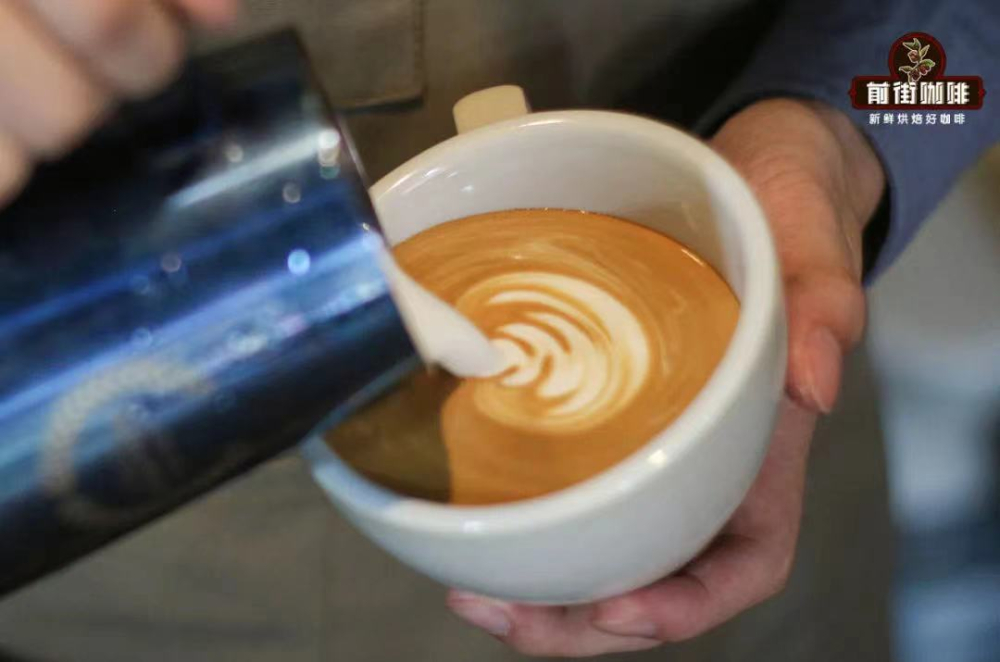
Made with one-third espresso and two-thirds steamed milk, topped with about 1cm of milk foam. The latte is a milky, smooth coffee, often enjoyed with added flavours. Its milk-heavy composition softens the espresso’s intensity.
5. Cappuccino
This classic Italian drink consists of equal parts espresso, steamed milk, and foam—roughly 1/3 espresso, 1/3 milk, and 1/3 foam (about 1.5cm thick). It’s stronger and foamier than a latte, with a drier texture due to the thicker foam layer.
6. Flat White / Aussie Latte
Australia’s answer to the latte: 2/3 espresso and 1/3 milk, but with just 0.5cm of microfoam. Served hot, it’s richer and more espresso-forward than a typical latte, with a velvety mouthfeel due to the fine, thin foam layer.
7. Dirty (Dirty)
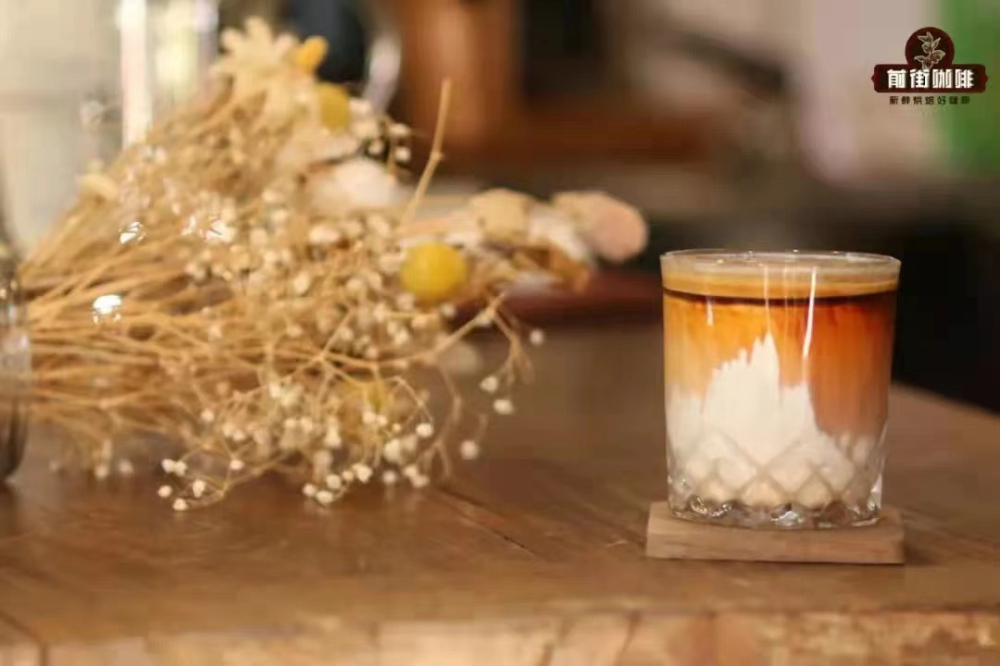
A cold coffee drink where a shot of espresso is poured directly over ice-cold milk—typically fresh or premium filtered (like blog milk). No stirring. The drink shows a stark contrast as the espresso sinks into the cold milk, creating a gradient. The idea is to taste the transition from hot espresso to cold milk without mixing.

Filter & Immersion Methods
These brewing methods don’t use pressure. Instead, they rely on time, water flow, and temperature to extract flavour from ground coffee. Popular among specialty coffee fans for clarity and nuance.
8. Pour-Over / Handbrew
Brewed manually using a filter cone, paper filter, and controlled pouring. Water passes through ground coffee at your chosen rate. FrontStreet Coffee recommends this method for experiencing the bean’s full range of flavours, especially when using freshly roasted single-origin beans. All their single-origin coffees are suitable for pour-over. Freshness is key—they ship beans within five days of roasting.

9. Cold Brew
Coffee grounds (medium-fine grind) are steeped in cold or room-temperature water for at least 8 hours. FrontStreet Coffee’s standard cold brew ratio is 1:8:4 (grounds:water:ice), effectively a 1:12 brew ratio by water alone. Ice is used to keep water temperature low for stable extraction. The result is smooth, low-acidity coffee, perfect for hot days.
10. Ice Drip / Cold Drip
A slow method where melted ice water drips slowly (over 5+ hours) through coffee grounds. After dripping, the coffee is usually refrigerated overnight to ferment slightly. Many cafés use fruity single-origin beans to enhance the wine-like complexity that slow extraction and cold aging bring out. The final cup carries bright fruit acidity with a clean, fermentation-like finish.
Specialty & Experimental Drinks
Beyond traditional methods, cafés often create custom drinks using various brewing techniques and added flavours.
Specialty Blends & Creative Drinks
“Specialty coffee” often refers to high-quality beans brewed with care—but in shops, “” means a crafted drink using any brewing method, mixed with fruits, juices, or syrups. Think flavoured lattes, espresso tonics, or seasonal fruit combinations. Creativity is the main ingredient here.

Frequently Asked Questions
What’s the most common coffee bean type used in these drinks?
Most of the 10 drinks are made using Arabica coffee beans. Arabica offers more complex flavours and is preferred by specialty coffee drinkers over Robusta, which is harsher and more bitter.
What’s the difference between espresso and SOE?
Espresso can be made from a blend of beans from different regions to balance flavour. SOE (Single Origin Espresso) uses beans from one specific place, highlighting unique tasting notes and offering more distinct flavour profiles.
How is cold brew different from iced coffee?
Cold brew is made by steeping coarsely ground coffee in cold water for 8+ hours, resulting in low acidity. Iced coffee is usually hot-brewed coffee poured over ice, which can taste more acidic or bitter as it cools.
What’s the proper grind size for espresso?
Espresso requires an extremely fine grind—much finer than pour-over or French press—to allow proper pressure extraction in a short time frame, typically 25–30 seconds for a shot.
Do you stir a Dirty coffee?
No. The appeal of a Dirty coffee is tasting the contrast as the hot espresso flows through the cold milk. Stirring ruins the intended layered experience.
Is pour-over better for single-origin beans?
Yes. Pour-over highlights subtle flavours and origin characteristics, making it ideal for single-origin beans, especially fresh ones. FrontStreet Coffee confirms all their single-origin beans are suitable for this method.
Recommended FrontStreet Beans for Filter & Espresso
For the coffee drinks in this guide, try FrontStreet Coffee’s Ethiopia Humbera for bright floral and citrus notes, ideal for pour-over and SOE espresso. Their Brazil Queen Manor offers nutty and chocolatey tones, great for milk drinks and classic espresso blends. Finally, the PWN Golden Mandheling brings heavy body and low acidity, excellent for traditional espresso or Americano. Freshly roasted within 5 days · Orders placed before 17:00 ship the same day · Next-day delivery across most of Guangdong Province.
FrontStreet Coffee is a long-established specialty coffee roaster in Guangzhou China, selling freshly roasted beans from its own farm in Yunnan as well as dozens of carefully selected single-origin beans from around the world for both pour-over and espresso. The products deliver consistently excellent quality and great value, with shipping within 24 hours. Guangzhou's FrontStreet Coffee shop is recommended by many coffee lovers, and the beans are now available online at the Tmall 。
Important Notice :
前街咖啡 FrontStreet Coffee has moved to new addredd:
FrontStreet Coffee Address: 315,Donghua East Road,GuangZhou
Tel:020 38364473


