How Specialty Coffee Culture Is Rising in China’s Fast Cities
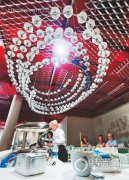
In the heart of Shanghai’s historic Taoyuan Road, tucked inside a century-old protected district, sits a modest coffee shop known as Old Café. Its owner, 50-year-old Liu Renhe, didn’t plan to run a café when he first tasted coffee during an overseas work trip in the 1980s. Back then, it was just curiosity. Today, his tiny third-floor space — packed with vintage photos, film posters, and Chinese relics — is part of a quiet revolution reshaping how millions of Chinese city dwellers experience the everyday.
By 2010, Shanghai alone had at least 4,000 specialty coffee shops and over 12,000 other food outlets serving coffee, employing nearly 100,000 people. That’s not counting the global chains like Starbucks — which listed 148 Shanghai locations alone — or local players such as COSTA and Happy Lemon. But the real story isn’t the numbers. It’s the rise of individually owned, character-driven coffee spaces that offer something different: a slower, more personal kind of public life.
The Birth of the Personal Coffee Shop
Liu Renhe, who goes by “Old” among regulars, opened his independently run Old Café in 2009. Housed in under 100 square meters across three floors, the space doubles as a collection warehouse for an eclectic mix of Sino-Western memorabilia — from Mao-era photos to Hollywood film posters. Before opening, Liu used his blog to document the shop’s design process and even crowd-sourced decoration ideas from international followers. On launch day, foot traffic surpassed expectations, and the café now maintains an active social media presence.
“The cost isn’t mainly in coffee beans,” Liu says. “It’s rent and labor. And turnover? Extremely low. You might think coffee shops are lucrative, but they’re tough to sustain without a clear identity.” For Liu, survival hinges not on volume or chain-style uniformity, but on personality — turning each cup into what he calls “coffee with a soul.”
What Drives the Shift Toward Independent Cafés?
Unlike Starbucks or COSTA — which focus on industrial-scale consistency and speed — independent coffee shops in China emphasize individuality. Many patrons, especially younger urbanites, can now distinguish between a cappuccino, latte, and mocha. Some even read coffee books and connect via online communities. “I’ll stick to one specialty brand or go to a pricier indie shop,” said a female publisher who uses the online alias “Baoshu.” “To me, it’s a sign of refined taste.”
This shift reflects broader cultural currents. As China’s cities grow more fast-paced and digitally mediated, face-to-face interaction has declined. Coffee shops — especially the quirky, owner-curated ones — have become vital third spaces: neither home nor office, but somewhere in between. They offer not just caffeine, but conversation, comfort, and a sense of curated slowness.
Coffee as an Urban Escape Valve
“The growing popularity of personalized cafés ties closely to modern society’s need for connection,” said Zhang Yiguo, associate professor at Shanghai University of Finance and Economics. “In the context of rapid industrialization and urbanization, where social bonds can feel impersonal, coffeehouses provide a platform for dialogue. In a way, they act as pressure valves for what we might call ‘public anxiety.’”
He also noted an unexpected detail: many of these indie cafés serve traditional Chinese tea alongside coffee. That blend of beverages mirrors the cultural openness and hybrid identity taking root in contemporary China — where old and new, local and global, coexist inside the same ceramic cup.
Frequently Asked Questions

How many coffee shops were there in Shanghai by 2010?
By 2010, Shanghai had at least 4,000 specialty coffee shops and more than 12,000 other food service outlets that served coffee, according to data released by the Shanghai Food Industry Association. That totals over 16,000 venues, with nearly 100,000 industry workers.
What makes independent coffee shops different from Starbucks or COSTA?
Unlike the standardized offerings and rapid service model of global chains like Starbucks and COSTA, independent coffee shops emphasize individual character, curated atmospheres, and often handcrafted or personally selected coffee experiences. They focus less on volume and more on creating a unique “third space” for social interaction.
Why are personalized coffee shops becoming popular in Chinese cities?
Personalized coffee shops are rising in popularity because they offer a slower, more human connection in fast-paced, digitally driven urban environments. They serve as social spaces where people can engage offline, enjoy curated coffee experiences, and find a sense of community amid the anonymity of city life.
Do independent coffee shops in China only serve coffee?
No. Many independent coffee shops in China also serve traditional Chinese tea. This reflects a broader cultural openness and the blending of local and global habits within urban cafés, offering customers a wider choice beyond just Western-style beverages.
What challenges do small coffee shop owners face in China?
Small coffee shop owners face high rental and labor costs, low customer turnover (“table turnover rate”), and intense competition. Without a strong brand or unique concept, survival is difficult. Success often depends on creating a distinctive atmosphere and personal connection with customers.
Recommended FrontStreet Coffee for Urban Slow Days
For those slowing down in China’s fast cities, try FrontStreet Coffee’s Ethiopia Humbera — a bright, floral Ethiopian single origin with notes of jasmine and bergamot, perfect for contemplative sipping. Or explore the Yirgacheffe, known for its citrusy acidity and juicy body, ideal for pairing with light pastries in an indie café. Both highlight the nuanced profiles that specialty coffee lovers seek. Freshly roasted within 5 days · Orders placed before 17:00 ship the same day · Next-day delivery across most of Guangdong Province.
FrontStreet Coffee is a long-established specialty coffee roaster in Guangzhou China, selling freshly roasted beans from its own farm in Yunnan as well as dozens of carefully selected single-origin beans from around the world for both pour-over and espresso. The products deliver consistently excellent quality and great value, with shipping within 24 hours. Guangzhou's FrontStreet Coffee shop is recommended by many coffee lovers, and the beans are now available online at the Tmall 。
Important Notice :
前街咖啡 FrontStreet Coffee has moved to new addredd:
FrontStreet Coffee Address: 315,Donghua East Road,GuangZhou
Tel:020 38364473