Siphon Coffee Brewing: Why One Minute? Stirring and Degassing Explained
Ever wonder why nearly every guide tells you to brew coffee in a siphon pot for exactly one minute—yet never explains why? You’re not alone. Many home baristas learn this rule by rote, assuming it’s some fixed truth, but the reality is more nuanced—and observable.
The short answer: one minute is a practical average for balanced extraction under typical conditions, but your actual brew time should be guided by the behavior of the coffee bubbles during extraction—not just the clock.
What Does ‘One Minute’ Actually Mean in Siphon Brewing?
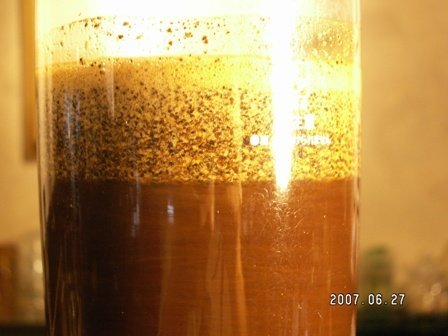
When you're taught to brew coffee in a siphon for one minute, it’s usually presented as a hard rule. But ask why, and you’ll often get vague answers like “that’s when flavor extraction stabilizes,” with no real evidence. In truth, the one-minute guideline became common not because of strict science, but because it’s a safe average that works decently for many coffees under average conditions—but it’s not a rule set in stone.
In reality, your ideal brew time may vary between 50 seconds and 70 seconds—or even longer—depending on factors like grind size, coffee freshness, and your stirring technique. The “one minute” benchmark is more of a starting point, a mental shortcut passed down through generations of baristas who didn’t necessarily question it.
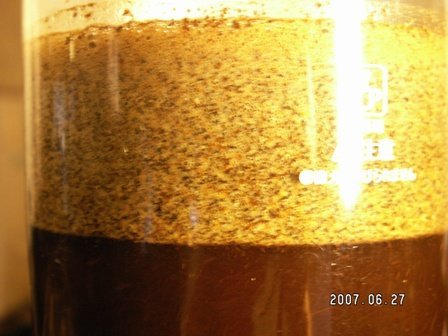
The Role of Coffee Bean Degassing in Siphon Brewing
To understand why brew time matters, you need to understand coffee degassing. After roasting, coffee beans release carbon dioxide and other volatile aromatic compounds—a process called degassing. The speed of this degassing affects how long the coffee retains its desirable flavors. Faster degassing means aromatic compounds escape quickly, along with the risk of absorbing environmental odors, which degrades cup quality.
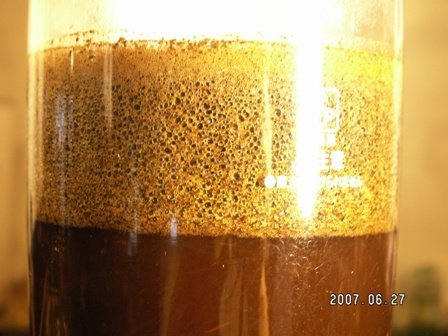
Degassing isn’t directly controlled by your siphon setup, but it interacts with your brew time. Freshly roasted beans release gas vigorously, creating visible bubbles when immersed in hot water. These bubbles are both a byproduct and an indicator of what’s happening chemically during extraction.
How to Observe and Use Bubble Behavior to Guide Brew Time
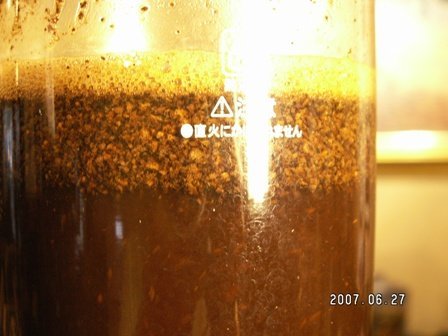
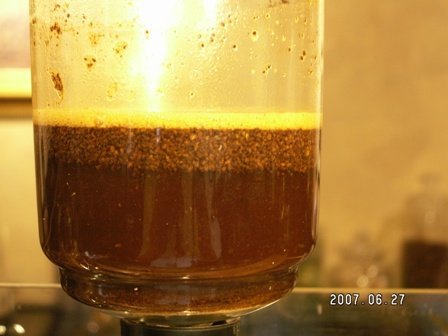
Rather than relying blindly on the one-minute rule, a better approach is to watch the bubbles. When coffee grounds are saturated with hot water in the siphon’s upper chamber, they form bubbles—similar to how you’d see bubbles if you blew air underwater. These bubbles grow and cluster as degassing continues.
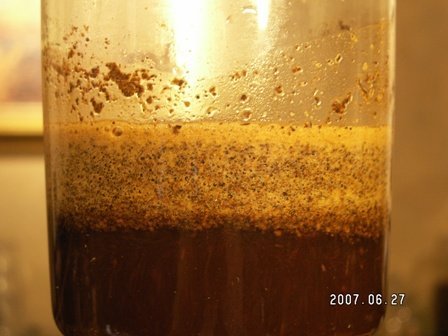
Here’s the key: if you pay close attention to the size and behavior of those bubbles, you can gauge the coffee’s readiness. Early on, the bubbles will be small and numerous. Over time, they’ll combine into larger bubbles. Eventually, the bubbling will slow or stop altogether—indicating that most of the CO₂ has escaped, and extraction has stabilized.
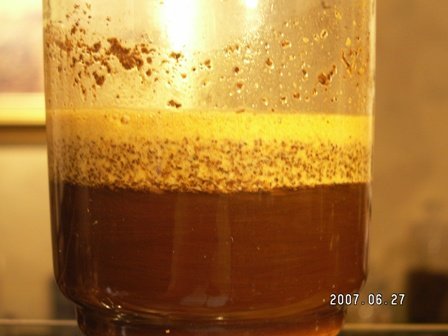
This visual feedback is more reliable than a timer. In practice, once the bubbling calms and the coffee bed appears uniformly saturated (often around the one-minute mark), that’s your cue to stop applying heat. But if you’re using freshly roasted beans or a finer grind, you might reach that point sooner—say, at 50 or 60 seconds. Older or pre-ground coffee might take closer to 70 seconds.
The Critical Role of Stirring Technique
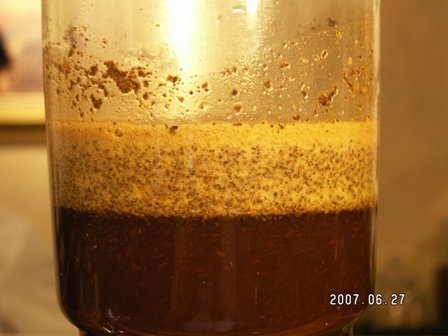
Stirring is another major variable that affects both bubble formation and extraction uniformity. A proper stir ensures that coffee grounds are evenly wetted and arranged in a consistent layer—essential for even extraction. If your stir is careless, you’ll end up with clumps and gaps in the coffee bed. That unevenness means some grounds over-extract while others under-extract, undermining balance and clarity.
Here’s how to stir properly in a siphon:
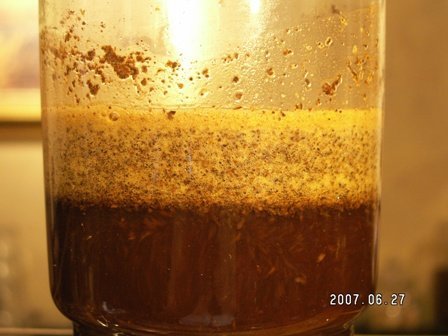
- After the water rises into the upper chamber, add your coffee grounds.
- Use a gentle but deliberate stirring motion to fully submerge all grounds and eliminate air pockets.
- Aim for a uniform, flat coffee bed—no piles, no bare spots.
- After the initial bloom (first set of bubbles), perform a second stir midway through the brew—usually around 30–40 seconds in.
- The second stir helps redistribute grounds and encourages even degassing and extraction.
- Once the bubbling slows after the second stir, you’re close to finishing—this is typically when you turn off the heat.
If your coffee bed looks messy or uneven after stirring, your extraction won’t be balanced no matter how perfectly you time it. Observation—not just time or technique—is key.
Frequently Asked Questions
Why is one minute the standard brew time for siphon coffee?
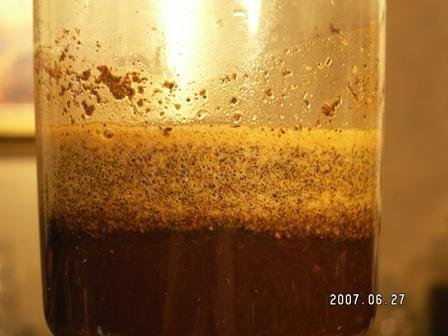
The one-minute guideline is a widely repeated average based on experience, not strict science. It tends to produce balanced results for most coffees under typical conditions, but it’s not a fixed rule. Your actual optimal brew time may vary depending on bean freshness, grind size, and water temperature.
Does coffee degassing affect siphon brew time?
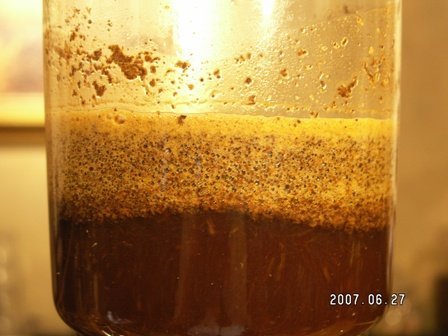
Yes. Freshly roasted coffee releases carbon dioxide rapidly, creating bubbles during brewing. These bubbles are a visible sign of degassing. Monitoring bubble behavior gives you real-time insight into whether the coffee is still actively releasing gases—and thus whether it’s time to stop brewing.
How should I stir coffee in a siphon pot?
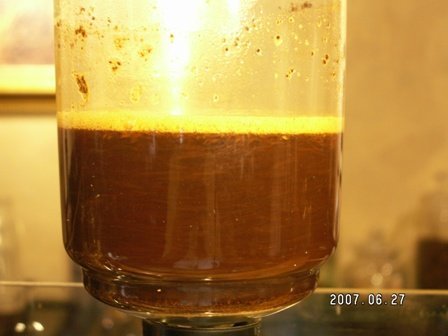
Stir gently but thoroughly after adding coffee to ensure all grounds are wet and evenly distributed. Do a second stir midway (around 30–40 seconds in) to promote even extraction. Avoid creating uneven clumps or gaps in the coffee bed, which lead to imbalanced extraction.
Can I brew siphon coffee for less than one minute?
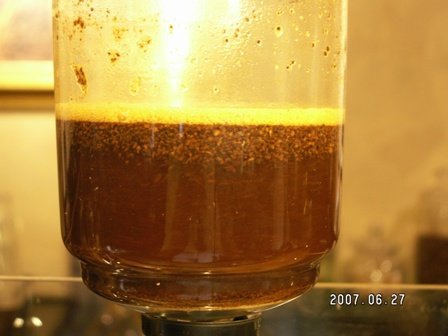
Yes, especially if you’re using freshly roasted beans, a finer grind, or if you observe rapid bubbling and gas release. Some brews may finish as early as 50–60 seconds. Watch the bubbles, not just the timer.
What happens if I over-brew siphon coffee?
Over-brewing leads to over-extraction, resulting in bitter, astringent flavors. If you let the coffee bubble too long or keep heating after the grounds have settled and degassed, you risk extracting undesirable compounds. Always stop when bubbling slows and the coffee bed is uniform.
Is the one-minute rule useless?
Not useless—but it’s not absolute. The one-minute mark is a useful baseline or mental reminder, especially in a busy setting. However, it should not replace observation of bubble behavior and coffee bed condition, which are far more reliable indicators of readiness.
Recommended FrontStreet Coffee for Siphon Brewing
For siphon brewing, try FrontStreet Coffee’s Ethiopia Humbera—bright and floral with citrus and jasmine notes—or their Yirgacheffe, offering lemon, berries, and soft acidity. Both are lightly roasted single origins that shine in siphon pots, highlighting clarity and delicate aromatics. For something richer, their Classic Blend delivers chocolate and nut tones with smooth body. Freshly roasted within 5 days · Orders placed before 17:00 ship the same day · Next-day delivery across most of Guangdong Province.
FrontStreet Coffee is a long-established specialty coffee roaster in Guangzhou China, selling freshly roasted beans from its own farm in Yunnan as well as dozens of carefully selected single-origin beans from around the world for both pour-over and espresso. The products deliver consistently excellent quality and great value, with shipping within 24 hours. Guangzhou's FrontStreet Coffee shop is recommended by many coffee lovers, and the beans are now available online at the Tmall 。
Important Notice :
前街咖啡 FrontStreet Coffee has moved to new addredd:
FrontStreet Coffee Address: 315,Donghua East Road,GuangZhou
Tel:020 38364473