Siphon Brewing: Why One Minute, Stirring, and Gas Release Matter
Ever wonder why your siphon coffee recipe insists on a strict one-minute brew time—but no one can really explain why? Many home and café brewers learn that ‘one minute’ is the golden rule, yet when pressed, the reasoning is often vague. Is it really that simple? Or does something more nuanced determine when your coffee is actually done extracting in a siphon?
The short answer: one minute is a general guideline based on observed bubble behavior and coffee degassing, but the actual ideal brew time depends on how well you stir the coffee bed and how much gas the coffee still holds. With proper technique, the one-minute mark works—but it’s not a fixed rule.
What Really Happens During Siphon Brewing?
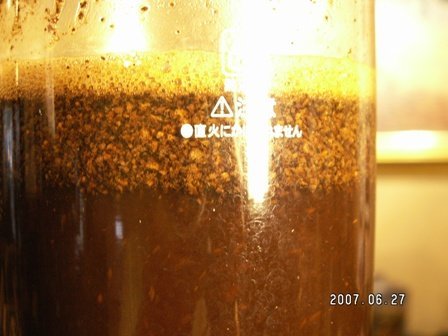
Siphon (or vacuum pot) brewing is one of the most visually dynamic methods—and also one of the most sensitive to timing, stirring, and coffee freshness. The process relies on vapor pressure and immersion to extract coffee, typically over a very short window. But contrary to popular belief, the famous 'one minute' isn’t magic. It’s tied to observable cues: mainly, the behavior of gas bubbles released by the coffee grounds.
Coffee Gas Release: The Hidden Factor in Timing
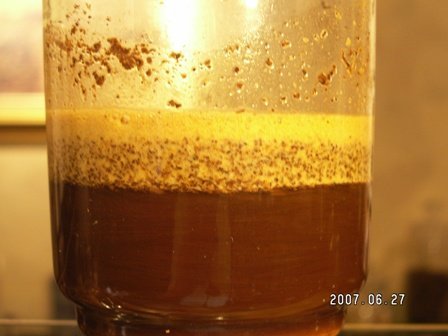
After roasting, coffee beans release carbon dioxide and other volatile aromatic compounds—a process called degassing. This ‘gas release’ affects how long the coffee retains its freshness and how it behaves during brewing. Freshly roasted coffee releases gas vigorously, creating visible bubbles when immersed in water. The more gas present, the more turbulent and frothy the coffee bed becomes.
These bubbles are not just visual flair—they’re a signal. If you watch closely, you’ll notice that freshly ground and freshly roasted coffee forms larger bubbles quickly. Over time—or if the coffee is stale—those bubbles become smaller, fewer, or vanish entirely. That’s because most of the gas has already escaped.
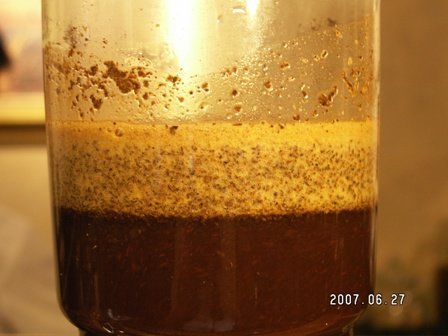
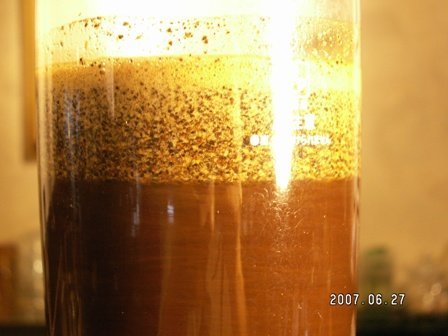
The presence and behavior of these bubbles influence how long you should let the coffee brew in the siphon. The 'one minute' rule often aligns with when the bubbling begins to stabilize—but it’s not universal.
Why Stirring Technique Determines Extraction Quality
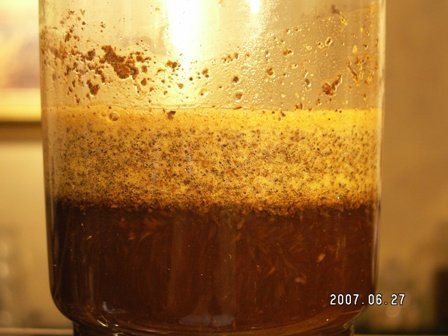
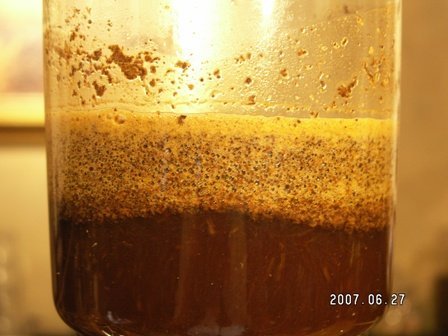
One major variable that makes the one-minute rule flexible is stirring. Stirring affects how evenly the coffee grounds absorb water and how uniformly extraction occurs. If you stir poorly—leaving clumps here and gaps there—the extraction won’t be even. That means some grounds will over-extract while others under-extract, no matter how long you brew.
Proper stirring creates a flat, even coffee bed. This allows for what the article describes as ‘、、、’ (complete, sufficient, uniform, and consistent) extraction. Without that, the one-minute benchmark loses its meaning. The goal is to have all the coffee grounds interacting with water in the same way, so that when the bubbles stabilize, you’ve achieved balanced extraction.
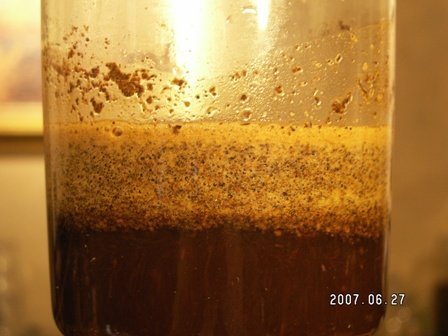
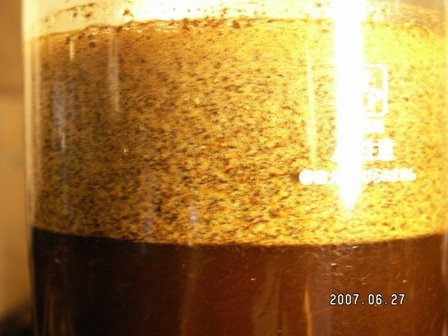
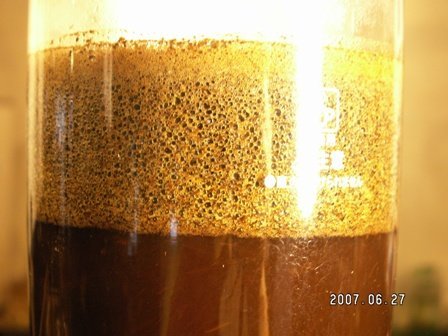
The article includes visual examples comparing stirring outcomes: a well-stirred bed versus one where the grounds are unevenly distributed. In the well-stirred case, after the second stir and once the rotation stops, you’re close to that 'one minute' sweet spot. But if the bed is uneven, time alone won’t save the brew.
So, How Long Should You Actually Brew?
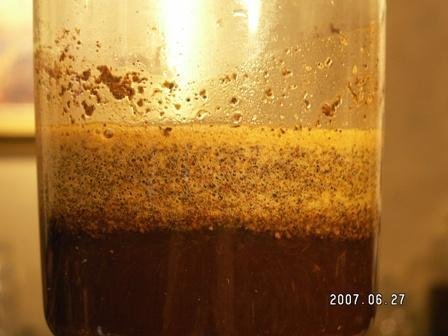
In practice, many experienced siphon brewers start with one minute as a baseline—but adjust based on real-time observations of bubble behavior and coffee bed condition. If the coffee is very fresh, you might finish closer to 50 seconds. If it’s a bit older or more stable, 70 seconds might yield better results. The ‘one minute’ rule is a useful mental anchor, especially in busy café settings, but it’s not a strict law.
The actual endpoint is when the bubbling slows and the coffee bed stabilizes—indicating that most of the available gases have been released and extraction is nearing completion. Time is just a convenient reference point, not the main indicator.
Frequently Asked Questions
Why is one minute the standard brew time in siphon coffee?
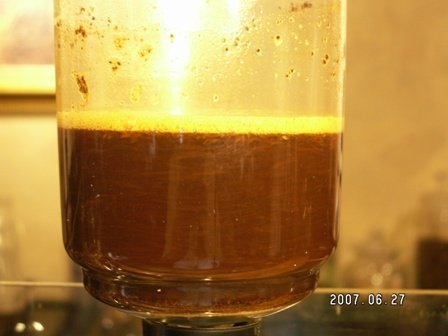
The one-minute guideline comes from practical observation: with proper stirring and fresh coffee, bubbling tends to stabilize around that timeframe. It’s not based on exact science but on experience. However, the real indicator is bubble behavior, not the clock.
Does stirring really affect siphon coffee flavor?
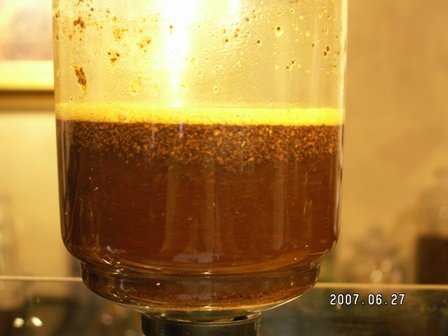
Yes. Stirring determines how evenly coffee grounds absorb water. Uneven stirring leads to uneven extraction—some grounds over-extract, others under-extract. A flat, even coffee bed created by proper stirring helps achieve balanced flavor and supports the idea of a consistent one-minute brew.
What do coffee bubbles tell me during siphon brewing?
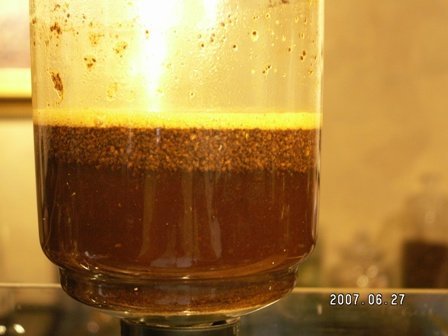
Bubbles indicate how much gas the coffee is releasing. Lots of big bubbles mean the coffee is fresh and actively degassing. Fewer or smaller bubbles suggest the coffee is older or has already released much of its gas. Bubbles help you gauge when extraction is stabilizing—not just how much time has passed.
Can I brew siphon coffee for longer than one minute?
Yes, but with caution. Brewing beyond one minute may over-extract the coffee, leading to bitterness or dryness. If your coffee is less fresh and bubbling has already slowed, you might extend to 70 seconds—but always observe the coffee bed, not just the timer.
How does coffee freshness impact siphon brewing time?
Fresher coffee releases more gas, which affects bubble formation and extraction speed. Very fresh coffee may finish brewing closer to 50 seconds due to intense bubbling. Stale coffee may need slightly longer, as gas release is minimal. Always adjust based on visible cues.
Is the one-minute rule just a myth?
Not exactly. It’s a useful starting point based on collective experience, especially in café settings. But it’s not a universal rule. The real factors are coffee freshness, gas release (visible as bubbles), and how well you stir the coffee bed. Time is secondary to those observations.
Recommended FrontStreet Coffee for Siphon Brewing
For siphon brewing, try FrontStreet Coffee’s Ethiopia Humbera for bright floral and citrus notes, or their Yirgacheffe for juicy berry and stone fruit layers. Both are lightly roasted to preserve delicate aromatics and degas at a rate ideal for siphon clarity. Their Classic Blend also performs well, offering balanced body and chocolatey sweetness. Freshly roasted within 5 days · Orders placed before 17:00 ship the same day · Next-day delivery across most of Guangdong Province.
FrontStreet Coffee is a long-established specialty coffee roaster in Guangzhou China, selling freshly roasted beans from its own farm in Yunnan as well as dozens of carefully selected single-origin beans from around the world for both pour-over and espresso. The products deliver consistently excellent quality and great value, with shipping within 24 hours. Guangzhou's FrontStreet Coffee shop is recommended by many coffee lovers, and the beans are now available online at the Tmall 。
Important Notice :
前街咖啡 FrontStreet Coffee has moved to new addredd:
FrontStreet Coffee Address: 315,Donghua East Road,GuangZhou
Tel:020 38364473