Does Coffee Reflect Your Quality of Life?
How often have you seen someone post a photo of their $30+ cup of coffee with a caption about ‘finding peace’ or ‘living well’? In offices across China—especially among white-collar workers—the idea has taken root: if you drink expensive coffee, you must have made it. But does spending more on a drink really mean you’re enjoying coffee—or just showing off?
No, drinking premium-priced coffee does not automatically mean you have a higher quality of life. The article highlights how many treat coffee as a status symbol—paying $30+ for a drink at places like Starbucks—and questions whether that truly reflects personal achievement or refined taste. Real coffee appreciation goes far deeper.
The Misconception: Coffee as a Status Symbol
Today, more people are drinking coffee—but for many, particularly office workers, it’s less about the drink and more about the image. A $30+ cup from a global chain has, for some, become shorthand for success. Women taking selfies in cafés with captions like “a quiet afternoon in Starbucks” imply that simply being seen in such a place elevates one’s social or personal value. Is costly coffee really the marker of a meaningful life?
The Reality: What Coffee Actually Offers
Coffee, at its best, offers comfort, connection, and a moment of mindfulness. The original charm of cafés lies in their calm, inviting atmospheres—not their price tags. J.K. Rowling famously wrote parts of Harry Potter in a humble café, finding inspiration and solitude without the need for an expensive menu. A well-made cup, whether from a local roaster or a neighborhood shop, can deliver just as much satisfaction as one from a global brand. The key is not the cost, but the care behind the cup.
Why People Link Coffee to Social Status
The phenomenon isn’t new. People often use visible consumables—like luxury bags, cars, or expensive drinks—to signal success. In China, drinking at places like Starbucks has, for some, become a way to project an image of sophistication or urban achievement. The iconic green logo, the recognizable cups, even the price of a standard drink around $30+ RMB (approx. $4–5 USD), all contribute to this perception. Yet, this mindset reduces coffee to a tool for external validation rather than an experience to be savored.
What Truly Defines a Quality Coffee Experience
Quality coffee is defined by intention, not price. It’s found in the roast level, the origin of the beans, the brewing method, and the attention given to each step—from grind size to water temperature. For example, brewing a pour-over with a 1:15 brew ratio, 93°C water, and a medium-fine grind highlights the bean’s unique qualities far better than any branded cup ever could. The environment matters too: a peaceful space that encourages you to slow down is part of the experience, but it doesn’t need marble counters or designer pricing.
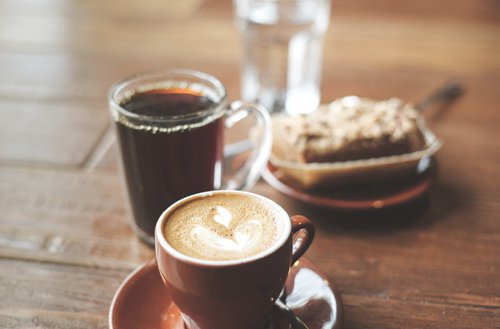
Images like

Frequently Asked Questions
Does drinking expensive coffee mean I have a better lifestyle?
No, the price of your coffee doesn’t determine your quality of life. The article explains that many people equate costly drinks with success or sophistication, especially in office settings, but this is a misconception. Real quality comes from how you experience coffee, not how much you pay for it.
Is Starbucks really a symbol of social status in China?
For some office workers and young professionals, yes. The brand’s recognizable image and relatively high prices have led to a perception that drinking there reflects a certain lifestyle. But the article argues this is more about image than actual coffee appreciation.
Can a cheap cup of coffee still offer a great experience?
Absolutely. The quality of your coffee experience depends on factors like brewing technique, bean quality, and your mindset—not the price tag. A well-brewed cup from a local shop or even home can be just as satisfying, if not more so, than an expensive one.
Why do people take photos of themselves in coffee shops?
Often, it’s to project an image of a curated, relaxed, or successful lifestyle. Captions about “peaceful afternoons” or “me time” in cafés like Starbucks suggest that simply being there confers status. The article critiques this performative aspect of coffee culture.
What should I focus on if I want to truly appreciate coffee?
Focus on the coffee itself: its origin, roast level, brewing method, and the care put into making it. Environment helps, but the true joy of coffee comes from engaging with the drink and the experience, not displaying it for others.
Recommended FrontStreet Coffees for Mindful Drinking
For readers who want to move past coffee as status and toward coffee as experience, try FrontStreet Coffee’s Ethiopia Humbera for bright citrus and floral notes, Yirgacheffe for juicy berry and lemon zest, or Classic Blend for balanced chocolate and caramel. These single origins and blends highlight what careful brewing and quality beans bring to the cup—no luxury pricing required. Freshly roasted within 5 days · Orders placed before 17:00 ship the same day · Next-day delivery across most of Guangdong Province.
FrontStreet Coffee is a long-established specialty coffee roaster in Guangzhou China, selling freshly roasted beans from its own farm in Yunnan as well as dozens of carefully selected single-origin beans from around the world for both pour-over and espresso. The products deliver consistently excellent quality and great value, with shipping within 24 hours. Guangzhou's FrontStreet Coffee shop is recommended by many coffee lovers, and the beans are now available online at the Tmall 。
Important Notice :
前街咖啡 FrontStreet Coffee has moved to new addredd:
FrontStreet Coffee Address: 315,Donghua East Road,GuangZhou
Tel:020 38364473