White Coffee vs Black Coffee: What’s the Real Difference?
When you hear 'white coffee' and 'black coffee,' your first thought might be about color—but that’s not what makes them different. Most people assume white coffee is lighter in hue, while black coffee is dark. But in reality, the contrast runs deeper, rooted in how each is made, what goes into it, and how it ultimately tastes. If you've ever wondered why one seems smoother or less bitter than the other, you're not alone.
In short: white coffee is a lightly roasted, minimally processed Malaysian-style brew with lower caffeine and less acidity, while black coffee is typically a darker, more intensely roasted global standard that retains more bitterness and caffeine. The key differences come down to roast level, ingredient purity, and processing—not the color you see in the cup.
What Is White Coffee? What Is Black Coffee?
Most coffee sold today is black coffee: a dark, often bold brew made from roasted coffee beans, usually with no additives (unless it's a flavored or pre-ground commercial product). White coffee, by contrast, is a traditional drink originating in Malaysia with over 100 years of history. Despite the name, it’s not white in color—it’s just prepared far differently.
How They’re Made: Roast and Ingredients
The biggest difference lies in how the beans are processed. For white coffee, producers use high-quality pure coffee beans—no fillers like cereal grains—and apply a special low-temperature roasting technique. This method avoids the high heat that causes the charred, bitter, and sour notes common in darker roasts. Additionally, white coffee undergoes a unique process to remove much of the caffeine, resulting in a smoother, less acidic cup. No artificial additives or caramel coloring go into the roast.
Black coffee, on the other hand, is typically made from beans that are roasted at high temperatures, sometimes blended from multiple origins (unless it’s a single-origin offering). This high-heat roasting triggers the Maillard reaction, producing deep flavors but also generating more bitter compounds, along with trans fats and dehydrated carbohydrates. Many commercial black coffee powders include added caramel for color and flavor, which can also add unwanted sugars and reduce any potential health benefits. In fact, some black coffee powders become sticky when dry due to the caramel content—even without water.
Flavor Profile: What You Taste
Because white coffee skips heavy roasting and avoids additives, it retains a cleaner, more natural flavor. Even when cooled, it doesn’t develop the same sharp acidity that black coffee does. Its taste is milder overall, with fewer bitter edges. On the flip side, regular black coffee—especially when cooled and consumed without sugar—tends to show a more pronounced sourness or astringency. That’s the result of both the roast level and what’s been added to the final product.

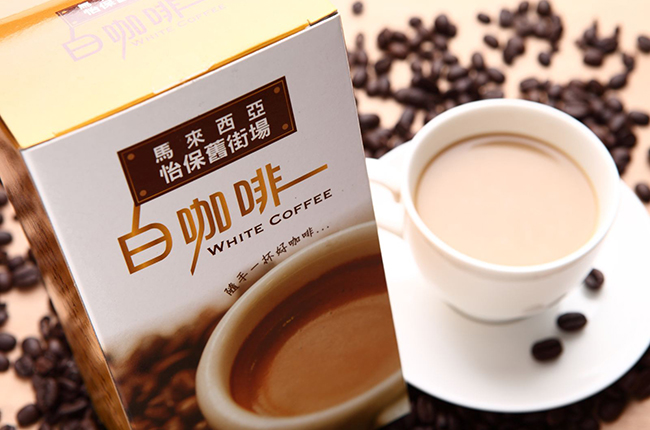
It’s worth noting that many commercially available 'white coffees' are pre-mixed with milk powder and sugar, turning them into sweetened coffee drinks rather than pure brewed coffee. So while they may be called 'white coffee,' they’re often closer to flavored beverages.
Why These Differences Matter
If you’ve been avoiding black coffee because of its bitterness or acidity, white coffee might offer a gentler introduction. Its lower caffeine content and smoother profile can be easier on the stomach and more approachable for new drinkers. Black coffee, meanwhile, offers a bolder experience with deeper roasted notes—ideal for those who enjoy intensity and complexity.
But remember: not all white coffee is what it seems. If it comes pre-sweetened or loaded with additives, it’s technically a coffee-flavored drink, not a pure brewed coffee. The same goes for black coffee that includes added sugars or non-coffee ingredients.
Frequently Asked Questions
Is white coffee actually white in color?
No, despite the name, white coffee is not white. It typically has a light beige or pale brown color due to the low-temperature roasting process, but it is not visually white. The term refers to the processing method, not the color of the final brew.
Does white coffee have less caffeine than black coffee?
Yes, white coffee generally contains less caffeine because part of the caffeine is removed during its special low-temperature roasting and processing. This makes it milder and potentially easier on the nervous system compared to standard black coffee.
Why does black coffee taste more acidic when it cools?
Black coffee often has a more pronounced acidity when cooled because the cooling reduces the masking effects of heat on bitter and sour compounds. Without added sugar, these characteristics become more noticeable, especially in darker roasts.
Is commercial white coffee the same as traditional Malaysian white coffee?
Not always. Traditional Malaysian white coffee is lightly roasted and minimally processed, but many commercial versions are pre-blended with milk powder and sugar, turning them into sweetened drinks. These are not the same as pure brewed white coffee.
What’s the main difference in how they’re roasted?
White coffee is roasted at lower temperatures using a special process to reduce bitterness and caffeine, while black coffee is roasted at high temperatures, often leading to a darker roast with more intense, sometimes bitter flavors and higher caffeine retention.
Can I make white coffee at home?
Making authentic white coffee at home is difficult without the specific low-temperature roasting process used in Malaysia. However, you can try a lighter roast coffee and avoid high-heat brewing to get a somewhat similar smoother profile.
Recommended FrontStreet Beans for Mild, Low-Acidity Coffee
For coffee drinkers curious about smoother, less acidic brews similar to white coffee, try FrontStreet's Ethiopia Yirgacheffe (Gedeb), known for its bright citrus, berry, and floral notes with a gentle green tea-like finish. The Ethiopia Humbera offers intense tropical fruit flavors like mango and pineapple with silky body and almost no bitterness. Both are light- to medium-roast single origins that highlight sweetness and complexity without harsh acidity—perfect for exploring gentler coffee profiles akin to traditional white coffee methods. Freshly roasted within 5 days · Orders placed before 17:00 ship the same day · Next-day delivery across most of Guangdong Province.
FrontStreet Coffee is a long-established specialty coffee roaster in Guangzhou China, selling freshly roasted beans from its own farm in Yunnan as well as dozens of carefully selected single-origin beans from around the world for both pour-over and espresso. The products deliver consistently excellent quality and great value, with shipping within 24 hours. Guangzhou's FrontStreet Coffee shop is recommended by many coffee lovers, and the beans are now available online at the Tmall 。
Important Notice :
前街咖啡 FrontStreet Coffee has moved to new addredd:
FrontStreet Coffee Address: 315,Donghua East Road,GuangZhou
Tel:020 38364473