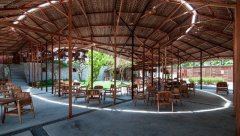
Designing a Coffee Shop in a 30-Year-Old Japanese Home
What does it really take to turn an old house into a functional, peaceful coffee shop? For many, the challenge isn’t just layout or equipment—it’s about preserving character while making space for work, connection, and daily rituals. This story reveals how one Japanese couple did just that, turning a 30-year-old traditional home into a calm, creative haven centered around community and comfort.
The short answer? They kept the original 30-year-old Japanese structure intact, emphasized natural light and airflow, retained the traditional engawa walkway, and designed distinct work zones—one upstairs for drawing, one downstairs for writing—while leaving room for shared meals and quiet mornings. Their design choices foster both productivity and intimacy.
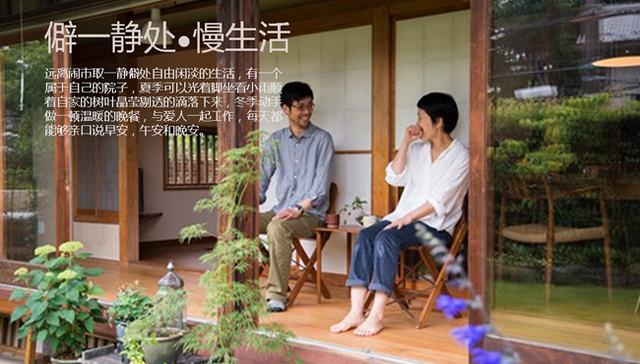
A Quiet Life in an Old Japanese House
Koike and Ogawa, a husband-and-wife team living in a 30-year-old traditional Japanese home, have built a life that blends work and leisure. Far from the city noise, their home includes a private yard where Koike can sit barefoot under the trees during summer rain, and Ogawa can cook warm dinners in winter. Together, they run creative businesses related to illustration, writing, fashion, interior design, music, and food—blurring the lines between life and work.
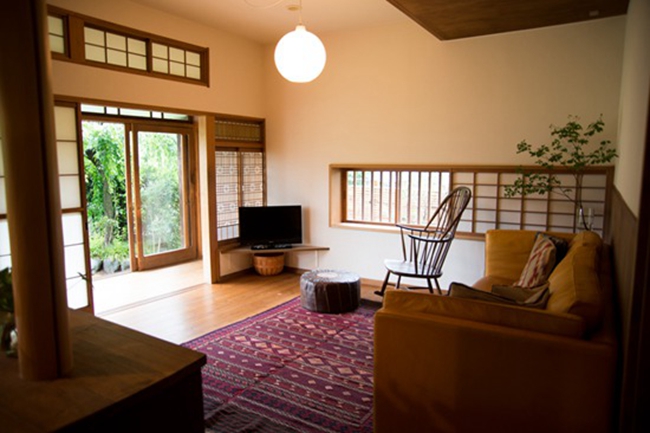
Their home functions as both residence and creative studio, and recently, as an ambient coffee shop space. Every corner has been adapted not just for utility, but for emotional warmth.
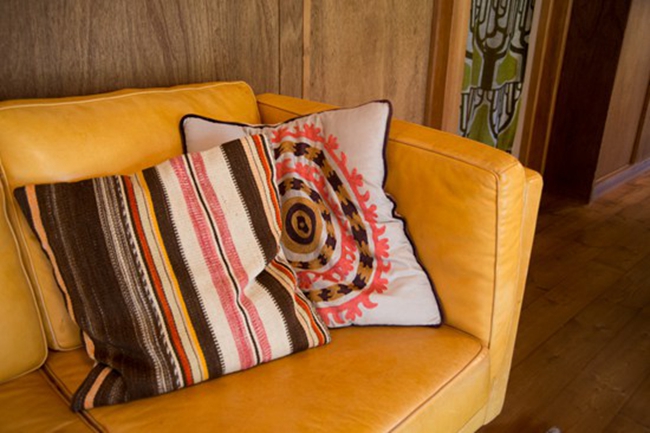
The Couple’s Workspace Inside the Home
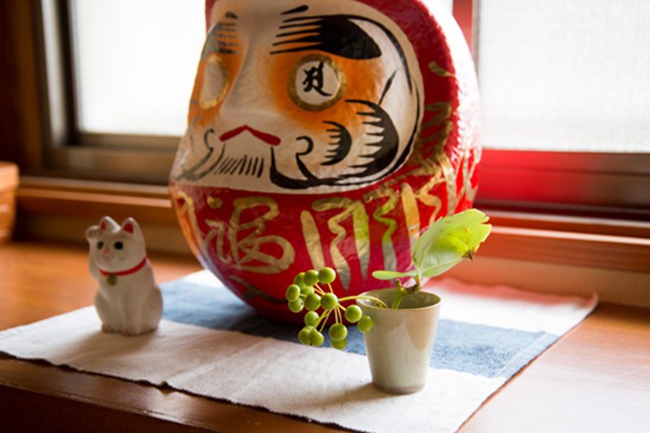
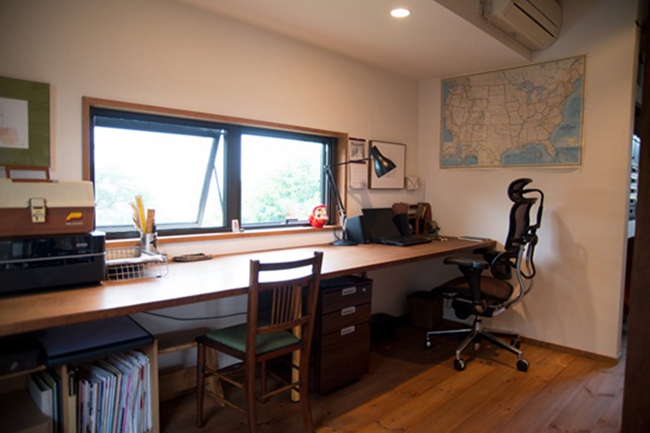
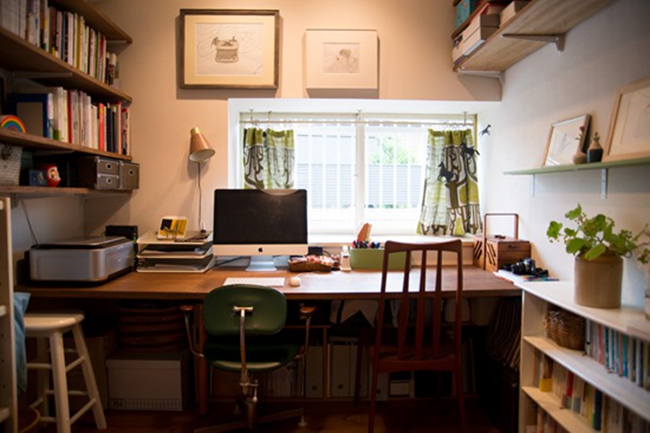
Koike works from a study located on the second floor, where tall windows frame views of the garden and the sky. This placement offers natural light, fresh air, and inspiration, helping fuel his creative process. On the first floor, Ogawa has her own workspace near the kitchen, allowing her to shift easily between writing and preparing meals. This setup supports a fluid daily rhythm, where professional tasks blend seamlessly with domestic life.
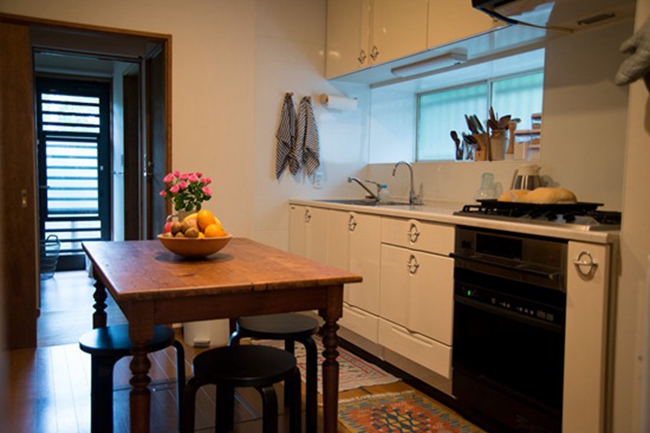
Their shared environment encourages collaboration, quiet focus, and the kind of slow-paced productivity rarely found in conventional offices.
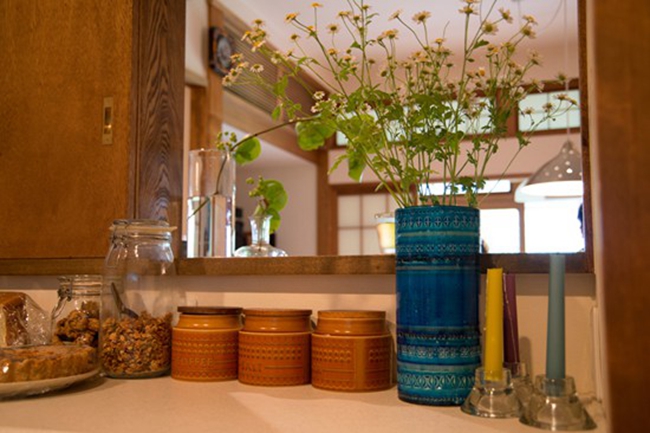
The Preserved Engawa: A Key Design Feature
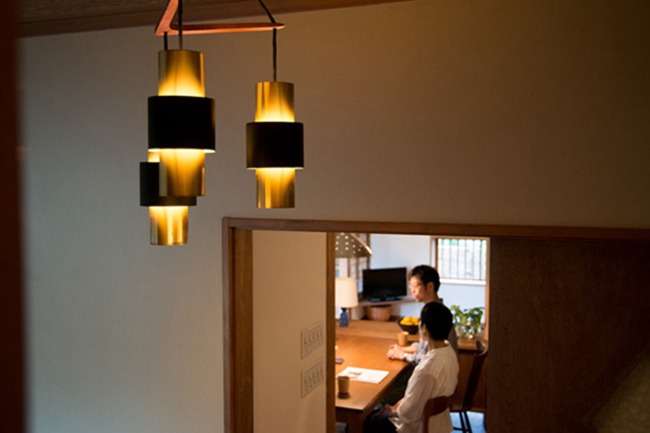
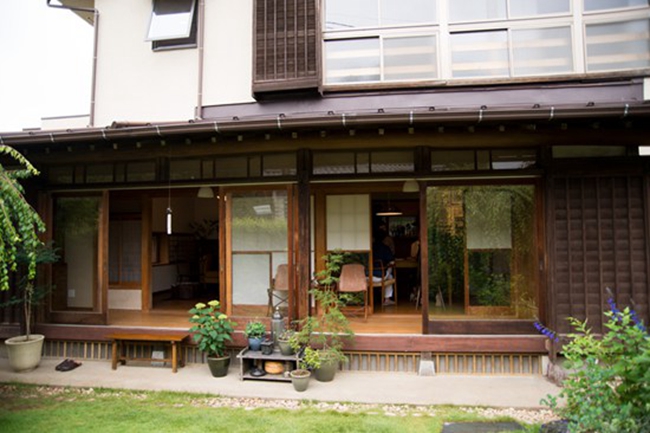
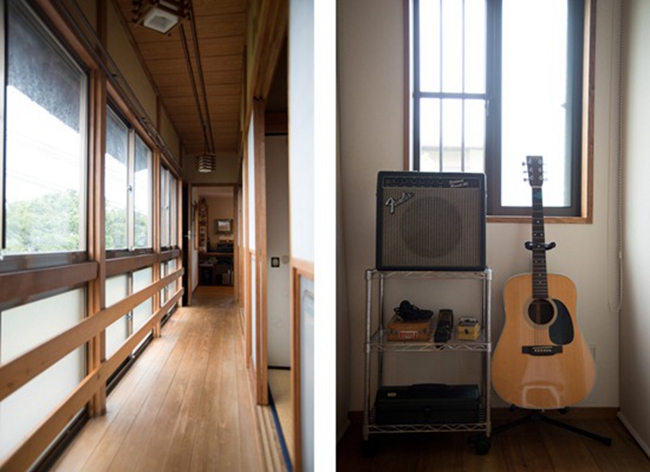
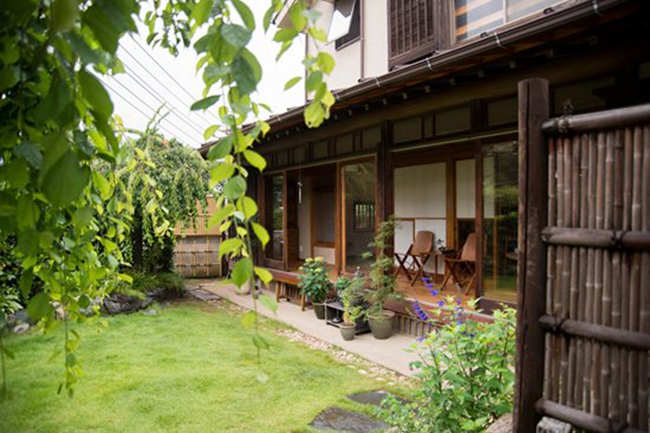
One of the most distinctive elements they preserved is the engawa—an enclosed veranda that wraps around the outside of the traditional home. This covered walkway bridges the indoor and outdoor spaces, creating a tranquil buffer zone. Ogawa finds it deeply calming, a place that encourages reflection and slowness. Because of its soothing effect, the couple chose to maintain and upgrade this traditional feature rather than replace it with modern architecture.
The engawa enhances the home’s connection to nature and serves as a flexible transition space for guests, offering shelter yet openness—ideal for a coffee shop atmosphere.
Why This Setup Works for a Café
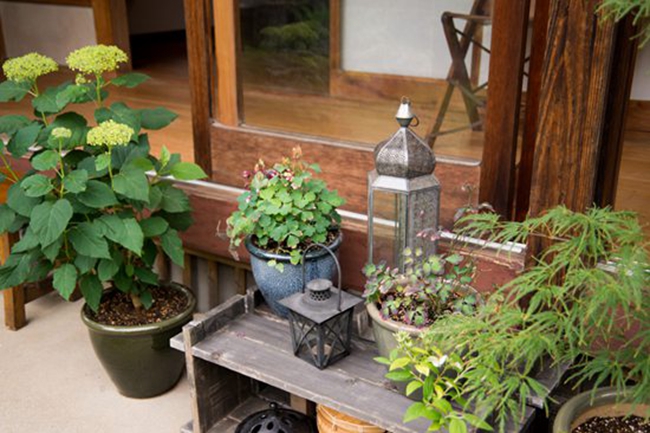
Though not a conventional café, this home-based space embodies many qualities sought in specialty coffee environments: comfort, personal touch, natural materials, and human-scale design. The engawa provides an outdoor-feeling seating area without exposure to weather extremes. The separation of work zones upstairs and downstairs allows for smooth transitions between creative modes. The presence of plants, natural light, and food preparation areas brings a homely authenticity often missing in commercial cafés.
Every element contributes to a vibe that invites lingering over coffee, working remotely, or simply enjoying quiet companionship.
Frequently Asked Questions
What is an engawa and why is it important in this coffee shop design?
An engawa is a traditional Japanese veranda that encircles the outside of a home, acting as a sheltered corridor between indoors and outdoors. In this coffee shop setup, the engawa is preserved because it offers a calming transition space, perfect for relaxing with coffee while enjoying garden views. Its design promotes slowness and connection to nature, enhancing the overall atmosphere without needing major architectural changes.
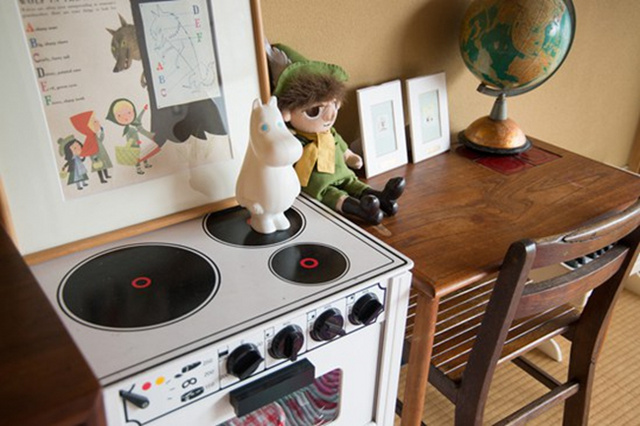
How did the couple separate work and living spaces in their home?
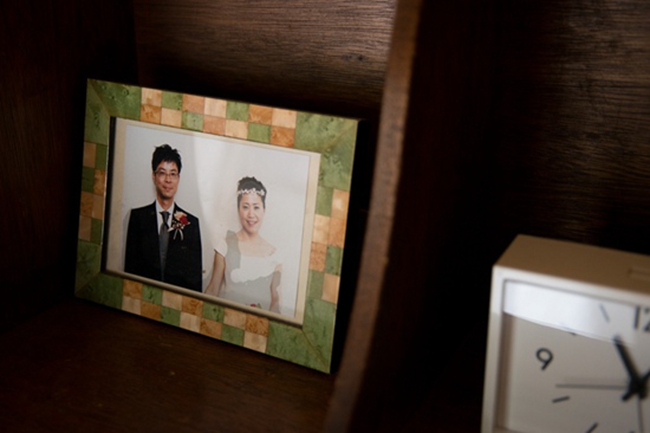
Koike, the illustrator, works in a second-floor study with views of the garden and sky, fostering creativity through natural light and open air. Ogawa, the writer, works on the first floor near the kitchen, allowing her to cook and write in the same space. Their distinct yet connected workspaces support a natural flow between professional tasks and daily life.
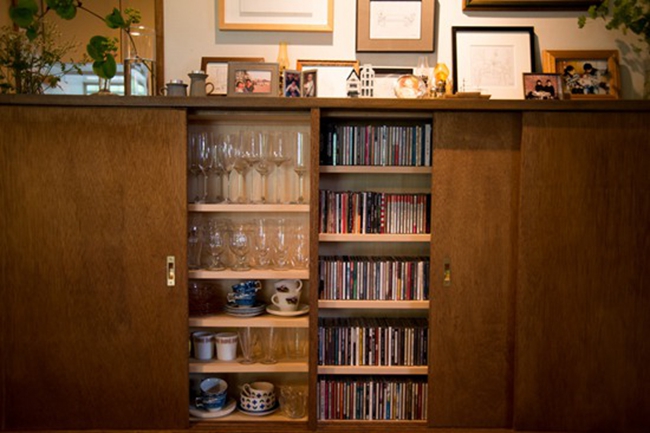
What makes this old Japanese house suitable for a coffee shop?
The 30-year-old home’s traditional architecture, natural materials, and layout create an inherently cozy and human-centered environment. Features like the engawa, ample natural light, and quiet work zones align with the atmosphere desired in specialty coffee shops—inviting, calm, and focused on experience over efficiency.
Did the couple make any modern updates to the traditional structure?
Yes, while they preserved traditional elements like the engawa, they updated the interior to support modern work and café-like use. Exact modifications aren’t detailed, but the text confirms they enhanced comfort in the engawa and created distinct functional zones for work, cooking, and relaxation, blending old and new thoughtfully.
Can this kind of design work for other small coffee businesses?
Absolutely. The approach—using natural light, multi-use spaces, and calming transitional areas like the engawa—can inspire small cafés or home-based coffee operations. The focus on comfort, connection, and a human pace offers a strong alternative to high-volume, utilitarian café designs.
Recommended FrontStreet Beans for a Calm Café Space
For a coffee shop inspired by Japanese slow living, try FrontStreet Coffee’s Ethiopia Huakui – a bright, floral Ethiopian single origin with notes of jasmine and citrus, perfect for pouring over in a serene setting. Pair it with FrontStreet’s Yirgacheffe for a classic light roast with lemon, berries, and soft acidity. Both highlight clarity and elegance, echoing the tranquil mood of the engawa and quiet work zones. Freshly roasted within 5 days · Orders placed before 17:00 ship the same day · Next-day delivery across most of Guangdong Province.
FrontStreet Coffee is a long-established specialty coffee roaster in Guangzhou China, selling freshly roasted beans from its own farm in Yunnan as well as dozens of carefully selected single-origin beans from around the world for both pour-over and espresso. The products deliver consistently excellent quality and great value, with shipping within 24 hours. Guangzhou's FrontStreet Coffee shop is recommended by many coffee lovers, and the beans are now available online at the Tmall 。
Important Notice :
前街咖啡 FrontStreet Coffee has moved to new addredd:
FrontStreet Coffee Address: 315,Donghua East Road,GuangZhou
Tel:020 38364473