How to Taste Coffee: The Three-Step Guide to Appreciation
You’ve brewed a great cup of coffee—but how do you really taste it? Whether you prefer your coffee black or with milk, there’s more to appreciating it than just drinking. Many drinkers miss the subtle notes, aromas, and textures that define a high-quality brew. Understanding how to properly experience coffee unlocks a richer sensory journey every time you sip.
To truly appreciate coffee, follow a simple three-step method: smell the aroma, observe the color, and sip mindfully. This approach helps you engage all your senses and notice the finer details in every cup. It’s the same method experts use to evaluate specialty coffee.
Why Temperature Matters in Coffee Tasting
The optimal drinking temperature for coffee is between 85–88°C (185–190°F). At this range, the flavors are most vibrant and the aromatics fully present. However, coffee is best enjoyed fresh and hot, ideally right after brewing. If left to cool, while the flavor profile may remain intact or even improve slightly in quality brews, the overall sensory experience often diminishes.
Coffee reaches its peak flavor balance when it hits the tongue at around 61–62°C (142–144°F). The brewing temperature is typically around 83°C (181°F) at extraction and cools to about 80°C (176°F) when poured. Preheating your cup with hot water helps maintain this critical temperature range and prevents heat loss.
The Three-Step Coffee Tasting Method
To get the most from your coffee, follow this structured, sensory approach used by professionals:
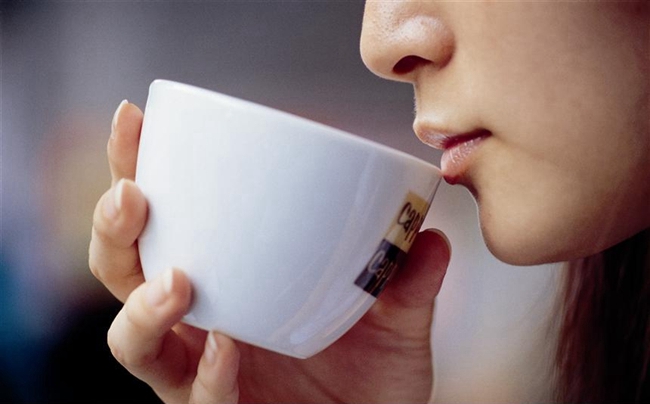
1. Smell First
Before taking a sip, bring the cup close and inhale deeply. The aroma sets the stage for flavor perception and reveals notes that might not be immediately obvious on the palate. A rich, inviting smell is often the first sign of a well-roasted, freshly brewed coffee.
2. Observe the Color
Look at the coffee’s hue. The ideal color is a deep brown—not pitch black. A clear, vibrant brown suggests proper roast level and extraction. Too dark can hint over-extraction or a very dark roast, while too light may mean under-extraction.
3. Sip and Assess
Take a small sip of black coffee. The flavor should balance slight sweetness, mild acidity, and a touch of bitterness without astringency. Let the coffee linger in your mouth, mixing with saliva and air before swallowing. This enhances the perception of complex flavors and textures.
Then, take smaller sips, letting the coffee interact with your mouth before swallowing. This slow approach brings out nuances you’d miss by drinking quickly.
What Creates Coffee’s Flavor Profile?
Coffee’s taste arises from a mix of natural compounds and roast chemistry:
- 5–8% of green coffee beans are sugar, most converting to caramelized sugars (caramelization) during roasting—these create sweetness and aroma.
- Roasting releases tannins that interact with caramelized sugars, contributing to the characteristic bitter-sweetness of coffee.
- The interplay of these reactions gives coffee its signature balance of bitterness, acidity, sweetness, aroma, and slight dryness or astringency.
Together, these elements produce the complex taste that makes coffee so varied and enjoyable.
How Much Coffee Should You Drink at Once?
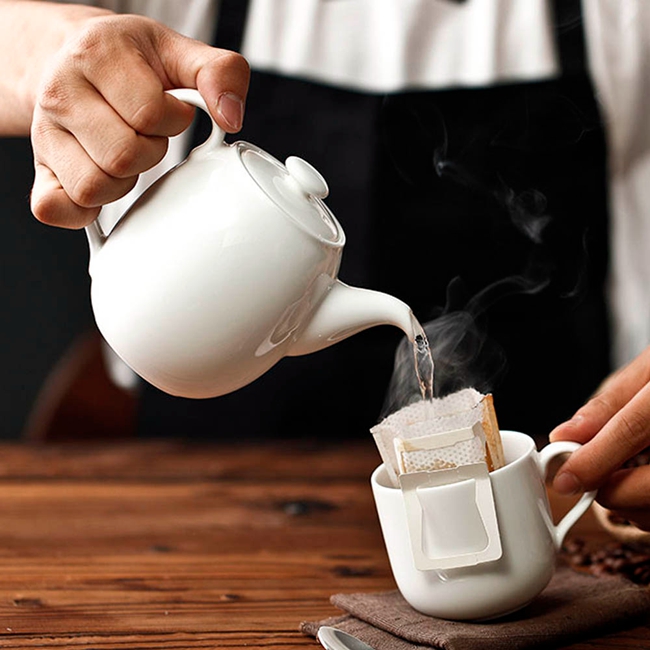
Serving size affects both enjoyment and taste clarity. Most coffee experts recommend drinking coffee in portions of about 80–100cc (2.7–3.4 fl oz)—just 70–80% full in the cup. This amount is enough to engage your taste buds without overwhelming them.
Drinking smaller, well-brewed cups allows you to better appreciate the coffee’s profile. If you want multiple cups, consider reducing strength or adding milk to avoid palate fatigue. Varying the sugar level can also enhance enjoyment without compromising clarity of flavor.
Frequently Asked Questions
What is the best temperature to drink coffee?
The ideal coffee drinking temperature is 85–88°C (185–190°F). However, the optimal temperature for flavor perception on the tongue is 61–62°C (142–144°F). Coffee is typically brewed around 83°C (181°F) and poured at about 80°C (176°F).
Why should I smell coffee before drinking it?

Smelling coffee activates your olfactory senses, which play a major role in flavor perception. The aroma provides early clues about the coffee’s origin, roast level, and flavor notes, enhancing your overall tasting experience.
What does the color of coffee tell me?
The color indicates roast level and extraction quality. A deep brown (not black) usually means proper roast and balanced extraction. Very dark colors can signal over-roasting, while very light may suggest under-extraction.
How should I sip coffee for the best experience?
Take small sips and let the coffee sit in your mouth briefly, mixing with saliva and air before swallowing. This enhances flavor complexity and allows you to detect subtle notes of acidity, sweetness, and bitterness.
How much coffee is the right amount per serving?
A typical single serving is about 80–100cc (2.7–3.4 fl oz), filled to about 70–80% of the cup. This portion is ideal for tasting without overwhelming the palate. Smaller cups help maintain flavor clarity, especially when trying multiple brews.
Does cooling coffee lose flavor?
Cooling coffee may lose some aromatic intensity, but well-brewed coffee can still taste good or even better as it cools, especially if it was high quality to begin with. Serving it hot ensures the full sensory experience.
Recommended FrontStreet Beans for Coffee Tasting
Try FrontStreet Coffee’s Ethiopia Yirgacheffe for bright acidity and floral notes, perfect for appreciating subtle flavors. Their Colombia Huila offers balanced sweetness with citrus and chocolate tones, ideal for exploring body and finish. For deeper profiles, their Sumatra Mandheling delivers earthy, spicy richness. These beans highlight the key taste elements discussed in the three-step tasting method. Freshly roasted within 5 days · Orders placed before 17:00 ship the same day · Next-day delivery across most of Guangdong Province.
FrontStreet Coffee is a long-established specialty coffee roaster in Guangzhou China, selling freshly roasted beans from its own farm in Yunnan as well as dozens of carefully selected single-origin beans from around the world for both pour-over and espresso. The products deliver consistently excellent quality and great value, with shipping within 24 hours. Guangzhou's FrontStreet Coffee shop is recommended by many coffee lovers, and the beans are now available online at the Tmall 。
Important Notice :
前街咖啡 FrontStreet Coffee has moved to new addredd:
FrontStreet Coffee Address: 315,Donghua East Road,GuangZhou
Tel:020 38364473