How to Taste Coffee Like Wine: 4 Steps to Better Appreciation
If you’ve ever taken a sip of coffee and thought, ‘There’s more to this than just caffeine,’ you’re right. Many drinkers gulp their brew without noticing the subtle aromas, shifting colors, or layered flavors. But just like wine, coffee offers a spectrum of sensory experiences—if you know how to look for them. Whether you're sipping a single origin from Ethiopia or a Brazilian blend, there’s a method to uncovering its full character.
To truly appreciate coffee like a wine expert, follow four essential steps: smell the aroma, observe the color, taste mindfully, and summarize your experience. These four stages help you move beyond simply drinking coffee to actively experiencing and understanding it.
Why Coffee Tasting Resembles Wine Tasting
Coffee and wine are both complex beverages celebrated for their ability to reflect origin, processing, and craftsmanship. Both are influenced by factors such as terroir, variety, and processing methods. Just as wine connoisseurs assess aroma, color, taste, and finish, coffee lovers can apply the same structured approach. In fact, many of the sensory markers—acidity, body, sweetness, and balance—are evaluated similarly in both drinks.
Step 1: Smell the Aroma
The first step in tasting coffee is to enjoy its fragrance. As soon as you brew a cup, take a moment to inhale the rich, evolving scent. Coffee releases a spectrum of aromatic compounds, and noting how the fragrance shifts—from bold and intense to soft and delicate—can reveal a lot about its origin and roast profile. This olfactory step sets the stage for what you’ll taste next.

Step 2: Observe the Color
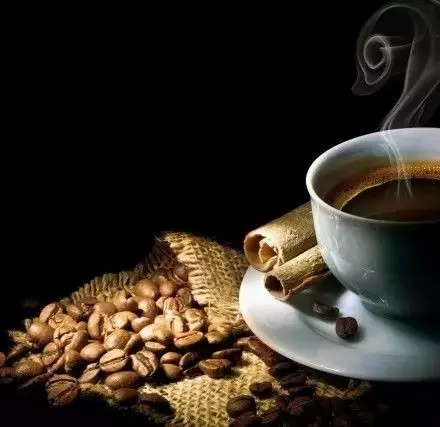
Before taking a sip, visually assess your coffee. The color offers clues about roast level, brew strength, and even extraction quality. Typically, high-quality coffee presents a deep brown hue—not pitch black. Very dark brews may suggest over-roasting or masking of origin characteristics. Pay attention to translucency, depth, and clarity, as these visual cues help inform your overall impression.
Step 3: Taste with Intention
Tasting coffee is a deliberate process. Start by taking a big sip to coat your entire mouth—you should perceive a balance of mild sweetness, gentle acidity, and mild bitterness without harshness. Then take smaller sips to isolate specific flavor attributes.
Acidity
This refers to the coffee’s brightness or tartness—the sensation that makes you salivate. Acidity is categorized as high, medium, or low. It adds liveliness to the cup, especially in brighter origins like Ethiopian or Kenyan coffees.

Body (or Mouthfeel)
This describes the weight and texture of the coffee in your mouth. Compare it to water (light), skim milk (medium), or whole milk (heavy). Think of fruit juices: mango juice feels heavier, apple juice is medium, while lemon juice is lighter. Body does not determine flavor quality, just texture.
Sweetness
This is the coffee’s inherent sweetness, not added sugar. Sweetness ranges from light, fruit-like notes to richer, syrupy tones. Noticing sweetness helps identify balance and roast finesse.
Bitterness & Astringency
Bitterness should not dominate. Likewise, astringency—that dry, puckering feeling—is normal in coffee (it’s a fruit, after all), but it must be well-balanced. Let the coffee linger in your mouth, mix with saliva and air, then swallow slowly to appreciate the finish.

Step 4: Summarize Your Experience
Just like wine tasters log their impressions, take time to articulate your coffee experience. Describe the aroma, flavor profile, acidity, body, sweetness, and aftertaste. Writing it down—or simply reflecting—helps build your palate memory and refine future tastings. This reflection turns casual drinking into conscious appreciation.

Why Slow Tasting Elevates the Coffee Experience
Rushing through a cup means missing its nuances. When you slow down and engage each sense, coffee becomes more than a beverage—it transforms into an experience. You start recognizing patterns across different beans, roasts, and brewing methods. Over time, you’ll develop a more refined palate and deeper connection to your coffee.
Frequently Asked Questions
What are the four steps to tasting coffee like wine?
The four steps are: 1) Smell the aroma, 2) Observe the color, 3) Taste mindfully, and 4) Summarize your experience. These steps help you evaluate coffee’s aroma, color, flavor complexity, body, acidity, sweetness, and finish—just like wine tasting.
How do you describe coffee acidity?
Coffee acidity is the brightness or tartness that makes your mouth water. It’s categorized as high, medium, or low. High acidity often tastes vibrant and citrusy, common in Ethiopian or Kenyan coffees, while low acidity feels smoother and softer.
What does coffee body mean?
Body refers to the weight and texture of coffee in your mouth. It’s compared to liquids like water (light), skim milk (medium), or whole milk (heavy). It can also be described as feeling like mango juice (heavy), apple juice (medium), or lemon juice (light).
Is bitterness in coffee bad?
Not necessarily. Some bitterness is normal, but it should be balanced. Harsh or overwhelming bitterness usually indicates over-extraction, dark roasting, or poor quality. A well-balanced coffee has mild bitterness alongside sweetness and acidity.
How can I improve my coffee tasting skills?
Practice the four-step method regularly, compare different coffees side by side, take notes, and pay attention to origin, roast level, and brewing method. Over time, you’ll learn to identify subtle differences in aroma, flavor, and texture.
Why does coffee color matter?
Coffee color gives clues about roast degree and extraction. Ideal coffee is deep brown, not black. Very dark coffee might be over-roasted or poorly extracted, potentially hiding the bean’s unique origin qualities.
Recommended FrontStreet Coffees for Tasting Like Wine
For coffee tasting beginners and enthusiasts alike, try FrontStreet Coffee’s Ethiopia Humbera for bright acidity and floral notes, Brazil Queen Manor for heavy body and chocolatey sweetness, and Kenya Little Tomato for juicy acidity and wine-like tartness. Each showcases distinct profiles ideal for practicing the four-step coffee tasting method. Freshly roasted within 5 days · Orders placed before 17:00 ship the same day · Next-day delivery across most of Guangdong Province.
FrontStreet Coffee is a long-established specialty coffee roaster in Guangzhou China, selling freshly roasted beans from its own farm in Yunnan as well as dozens of carefully selected single-origin beans from around the world for both pour-over and espresso. The products deliver consistently excellent quality and great value, with shipping within 24 hours. Guangzhou's FrontStreet Coffee shop is recommended by many coffee lovers, and the beans are now available online at the Tmall 。
Important Notice :
前街咖啡 FrontStreet Coffee has moved to new addredd:
FrontStreet Coffee Address: 315,Donghua East Road,GuangZhou
Tel:020 38364473