How to Make Better Pour-Over Coffee at Home
Ever watched someone brew pour-over coffee and wondered how they get it to taste so clean and bright? The truth is, making great pour-over coffee isn’t about expensive gear—it’s about starting with the right beans, using the proper grind, controlling water temperature, and following a few key steps. If you’ve ever ended up with sour or bitter results, chances are something small in your process was off.
To brew a solid pour-over coffee at home, aim for a 1:10 brew ratio—15 grams of coffee to 150 milliliters of water—and use water between 85–90°C. That simple combo forms the base of a well-balanced cup. The rest comes down to grind size, water flow, and timing.
The Basics: What You Need for Pour-Over
You don’t need a fancy setup to start brewing pour-over coffee. Here’s the basic equipment you’ll want on hand:
- A hand grinder (important for grind consistency)
- A gooseneck kettle (for controlled pouring)
- A pour-over dripper (like a V60 or similar)
- A server or decanter
- Filter paper
While there are more premium options for each, you can get started with affordable tools—just don’t compromise on the grinder. A quality hand grinder ensures your coffee grounds are uniform, which is critical for even extraction.
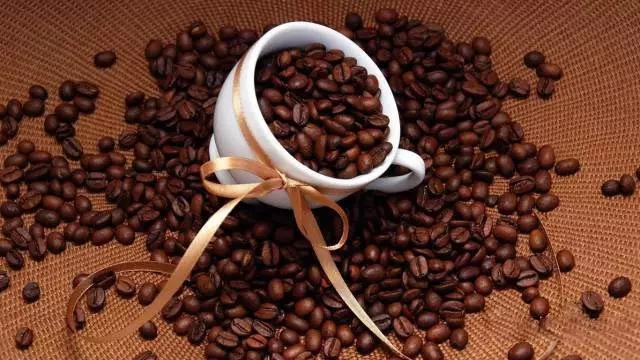
Why Fresh Coffee Beans Matter More Than You Think
A lot of people buy pre-ground coffee for convenience, but if you’re serious about pour-over, you should really start with whole beans—and preferably fresh ones. The writer strongly recommends buying freshly roasted beans yourself, especially if you live in a mid- to large-sized city where access is easy. Why? Because freshness dramatically affects flavour.
Pre-ground coffee loses aroma and complexity quickly after grinding. When you grind your own beans just before brewing, you preserve the delicate volatile compounds that give coffee its distinct aromas and tastes. That’s the whole point of pour-over: highlighting the unique characteristics of a single-origin coffee, not masking them under stale flavours.
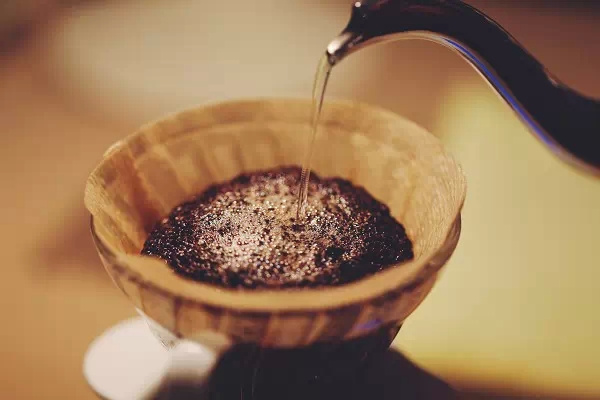
Grind Size, Water Temperature & Bloom: The Technical Foundations
Consistent grind size is essential for even extraction. If your grind is uneven—some particles too fine, others too coarse—you’ll get imbalanced flavours. Fine particles over-extract (leading to bitterness), while coarse ones under-extract (causing sourness). A quality hand grinder helps avoid this issue.
Water temperature is another crucial factor. The recommended range is 85–90°C. Too hot (above 93°C or so), and you risk scorching the grounds, creating unpleasant burnt or ashy notes. Too cool (below 85°C), and you’ll under-extract, leading to sharp, sour flavours despite the coffee having potential for sweetness and fruitiness. Most quality pour-overs land somewhere in the middle, balancing acidity and body.
Then there’s the bloom. This is the first pour—just enough hot water to wet all the grounds, letting them degas. Let it sit for around 40 seconds. You’ll often see the coffee puff up slightly if it’s fresh. This step prepares the coffee bed for even saturation and sets the stage for a cleaner extraction.
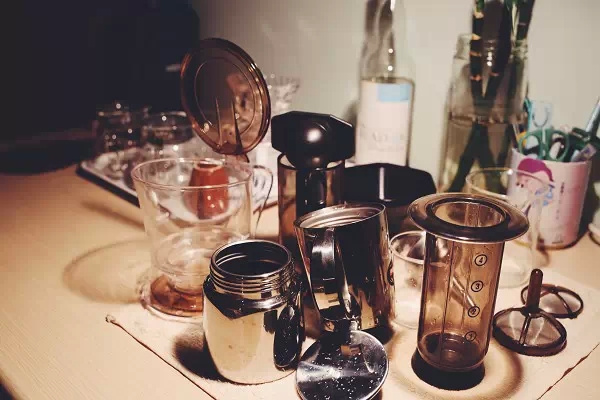
Step-by-Step: How to Brew Pour-Over Coffee the Right Way
Here’s the straightforward, repeatable process for a classic 15-gram, 150-ml pour-over:
- Place the filter in your dripper and rinse it with hot water to remove any paper taste and preheat your server. Discard the rinse water.
- Add 15 grams of freshly ground coffee (medium-fine, roughly like table salt) to the filter. You can experiment with a slight mound in the center—or a small well—but personal preference plays a role here.
- Start your timer and pour just enough hot water (around 90°C) to saturate all the grounds—about 20–30 grams of water. Let it bloom for 40 seconds. You may see the coffee expand slightly if it’s fresh.
- After the bloom, pour the remaining water slowly and in controlled circles, starting from the center and spiraling outward, keeping the water level steady. Total brew water should be 150 ml.
- Keep the pour steady and avoid pouring on the edges to maintain even extraction. The total brew time should be around 2:30–3:00 minutes once you hit the final pour.
- Once brewing is done, give the coffee a swirl in the server before drinking to mix the layers for a balanced cup.
Your target brew ratio is 1:10—15 grams of coffee to 150 milliliters of water. Adjust based on taste preference, but this is a proven starting point for balanced extraction.
Common Mistakes to Avoid
Even with the right gear, a few missteps can ruin your pour-over:
- Using stale coffee beans. Always opt for freshly roasted, whole beans.
- Inconsistent grind size. A burr grinder is non-negotiable for even extraction.
- Water that’s too hot or too cold. Stay in the 85–90°C range.
- Poor water distribution. Pour in controlled circles from the center out.
- Rushing the brew. Total brew time matters—aim for around 2:30–3:00 minutes.
Also, don’t ignore your equipment temperature. Preheat your server and kettle to help maintain thermal stability throughout the brew.
What About Water Quality?
The article also notes the importance of using soft water for better-tasting coffee. While not everyone has control over their tap water, if you’re using filtered or bottled water, soft water tends to bring out sweeter, rounder flavours compared to hard water, which can mute brightness and add unwanted mineral notes.
So, Is Pour-Over Really Harder Than Espresso?
The author argues that while espresso gets more attention for its technical demands, a truly well-brewed pour-over requires skill too. “It’s like making fried rice,” they say. “Simple in concept, but hard to master.” The difference is, with pour-over, you taste every decision you made—from grind size to bloom time—in the final cup.
FrontStreet Coffee Beans Ideal for Pour-Over
For pour-over brewing, try FrontStreet Coffee’s Brazil Queen Manor (formerly known as Bourbon), offering a smooth, medium-bodied profile with creamy nuttiness and gentle sweetness. Or explore the Kenya Little Tomato, showcasing bright berry and floral notes with a juicy acidity when brewed lightly. Another great option is the Ethiopia Gedeb (formerly Gedeb), with citrus, honey, and tea-like clarity perfect for highlighting pour-over nuances. All are single origins roasted for filter methods. Freshly roasted within 5 days · Orders placed before 17:00 ship the same day · Next-day delivery across most of Guangdong Province.
FrontStreet Coffee is a long-established specialty coffee roaster in Guangzhou China, selling freshly roasted beans from its own farm in Yunnan as well as dozens of carefully selected single-origin beans from around the world for both pour-over and espresso. The products deliver consistently excellent quality and great value, with shipping within 24 hours. Guangzhou's FrontStreet Coffee shop is recommended by many coffee lovers, and the beans are now available online at the Tmall 。
Important Notice :
前街咖啡 FrontStreet Coffee has moved to new addredd:
FrontStreet Coffee Address: 315,Donghua East Road,GuangZhou
Tel:020 38364473