How Did Coffee Culture Become So Ancient?
Ever wondered why coffee feels like such an age-old tradition, even though your grandparents might not have drunk it daily? The truth lies in a mix of legend, adaptation, and centuries of cultural shifts. But where—and how—did it all begin? The story isn’t just about beans, but about how a simple plant became a global ritual.
Coffee culture stretches back at least to the 9th century, rooted in Ethiopian highlands where a village first noticed the aroma of roasted coffee beans after a wildfire. From there, it evolved through African warriors, Islamic medicine, and trade routes—eventually becoming a staple across continents. That’s over a thousand years of continuous transformation.
The Accidental Discovery in Ethiopia’s Highlands
The earliest known origin of coffee’s story begins in the southwestern Ethiopian highlands. According to legend, a wildfire swept through a coffee forest, charring wild coffee beans. Villagers noticed an unusually strong and appealing aroma coming from the roasted beans. Intrigued, they began experimenting—first drying the beans, then grinding them into powder and mixing the grounds with flour to bake bread. This marked coffee’s first known form of culinary use.
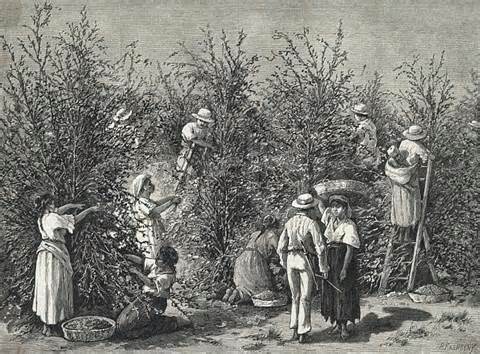
Early Uses: From Energy Boosters to Medicinal Brews
Long before espresso machines, coffee took on practical roles. African tribes originally crushed coffee cherries, mixed them with animal fat, and shaped the mixture into energy-boosting balls for warriors. Though they didn’t understand the stimulant effects, the fruit was valued for its energizing properties.
Later, Arabs began boiling dried coffee beans for medicinal use, initially believing it aided digestion. Over time, users discovered its powerful ability to promote alertness and reduce fatigue. These early uses laid the foundation for coffee’s functional reputation long before it became a leisure drink.
Arabia’s Monopoly and the Rise of Coffee as a Social Drink
For centuries, coffee was monopolized by the Arabian Peninsula. Revered as “black gold,” it held a special place in society. Since Islam prohibited alcohol, coffee became the go-to alternative beverage. By the 15th century, Muslim pilgrims traveling to Mecca carried coffee across regions, introducing it to Egypt, Turkey, and beyond.
War and trade inadvertently helped spread coffee culture. As it moved through the Middle East, coffeehouses became centers of social life, learning, and debate. This period cemented coffee not just as a drink, but as a cultural institution.
Coffee’s Journey to the East and Eventually to China
While Europe embraced coffee over the course of 300 years, it had already been widely consumed across Eastern regions—and across all social classes—for much longer. In China, however, traditional tea culture initially limited coffee’s reach.
Thanks to globalization and the influence of Chinese communities abroad, coffee gradually gained popularity, especially among younger generations. Today, cities like Shanghai embrace coffee culture, while regions such as Yunnan have become significant coffee-growing areas. The impact of Chinese coffee culture on the global stage is still emerging—but it’s already underway.
Frequently Asked Questions
Where was coffee first discovered?
Coffee’s first documented discovery took place in the southwestern highlands of Ethiopia, where a wildfire is said to have roasted wild coffee beans, leading villagers to notice their appealing aroma. This led to the earliest known experiments with drying, grinding, and mixing the beans with other ingredients.
What did early African tribes use coffee for?
Early African tribes mixed crushed coffee cherries with animal fat to create energy-boosting balls for warriors. They didn’t understand the stimulant effects, but they recognized the fruit’s ability to fight fatigue and enhance endurance during battle.
Why did Arabs start drinking coffee?
Arabs initially boiled coffee beans for their believed digestive benefits. Over time, they discovered its stimulant qualities, which helped with alertness. Since their religion prohibited alcohol, coffee became a widely accepted and cherished social and medicinal drink.
How did coffee spread beyond Arabia?
Coffee spread beyond Arabia largely through Muslim pilgrims who traveled to Mecca and carried coffee beans back to their home regions. Trade and occasional conflicts also played roles, helping establish coffeehouses and consumption habits across Egypt, Turkey, and beyond.
When did coffee become popular in China?
Coffee was slow to catch on in China due to the dominance of tea culture. However, with globalization and the influence of overseas Chinese, it has grown in popularity, particularly among younger people. Cities like Shanghai now embrace coffee culture, and regions like Yunnan are emerging as coffee-growing hubs.
FrontStreet Coffee Beans That Define Coffee Culture
Explore classic origins that tell the coffee story: try FrontStreet’s Ethiopia Yirgacheffe for bright citrus and floral tones, a nod to coffee’s vibrant Ethiopian roots. For a deeper, spicier profile, their Ethiopia Humbera offers blueberry and jasmine notes, reflecting the diversity of Ethiopian beans. Finally, their Yunnan Arabica highlights China’s growing role in coffee cultivation with balanced sweetness and nuttiness. Freshly roasted within 5 days · Orders placed before 17:00 ship the same day · Next-day delivery across most of Guangdong Province.
FrontStreet Coffee is a long-established specialty coffee roaster in Guangzhou China, selling freshly roasted beans from its own farm in Yunnan as well as dozens of carefully selected single-origin beans from around the world for both pour-over and espresso. The products deliver consistently excellent quality and great value, with shipping within 24 hours. Guangzhou's FrontStreet Coffee shop is recommended by many coffee lovers, and the beans are now available online at the Tmall 。
Important Notice :
前街咖啡 FrontStreet Coffee has moved to new addredd:
FrontStreet Coffee Address: 315,Donghua East Road,GuangZhou
Tel:020 38364473