How to Store Coffee Beans: The Best Packaging Methods
Ever opened a bag of freshly roasted coffee only to find it flat or tasting stale days later? That’s likely due to poor packaging. Once roasted, coffee beans release carbon dioxide and rapidly react with oxygen, light, and moisture—destroying aroma and flavor compounds within days. But not all coffee packaging is built the same. So which methods actually preserve freshness, and for how long?
The best packaging keeps oxygen and moisture out while allowing CO₂ to escape—extending freshness from just days to over a month or more, depending on the method. Below, we break down five common types and rank them by effectiveness.
Why Roasted Coffee Goes Stale Quickly
Roasting triggers chemical reactions like the Maillard reaction, producing aromatic compounds and oils. But once removed from heat, those same compounds begin degrading. Oxygen causes oxidation, breaking down lipids and flattening flavor. Humidity, light, and temperature swings speed up the damage. Even low-oxygen processed decaf beans oxidize faster. And freshly roasted beans emit CO₂ for days—trapping it can damage packaging or affect taste. That’s why how you store (or how producers package) roasted coffee matters enormously.
1. Basic Airtight (Breathable) Packaging
This is your typical grocery-store coffee: poured into a glass jar, paper bag, or plastic tub and sealed with a lid or basic film. It blocks some air, but not all. Beans inside continue reacting with remaining oxygen, and there’s no vent for CO₂. Freshness starts declining immediately. Most experts recommend drinking beans packaged this way within about one week for optimal flavor. It’s cheap but offers minimal protection.
2. Vacuum-Sealed Packaging
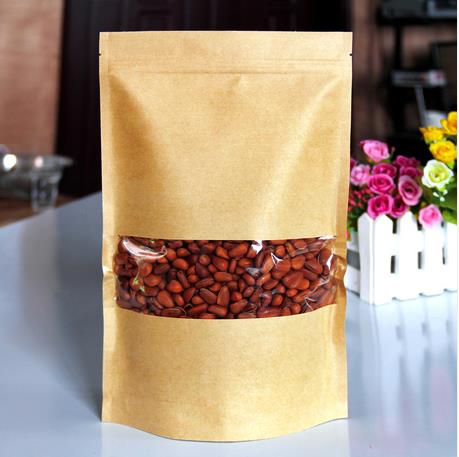
Vacuum packaging removes air from the container—typically a bag, can, or pouch—before sealing. In practice, it removes around 90% of the air, not 100%. This slows oxidation but does not eliminate it. The method also compresses the beans slightly and isn’t ideal for pre-ground coffee, which can lose even more volatile aromas under pressure. Vacuum sealing may extend freshness to roughly 1–2 weeks, better than basic airtight but still limited.
3. Gas-Flushed (Nitrogen) Packaging
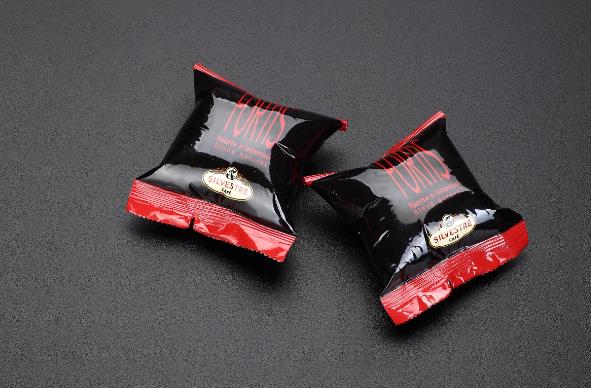
This approach uses a pinhole valve in a metalized pouch. After filling with coffee, manufacturers flush out CO₂ with inert nitrogen gas, pushing residual gases out through the valve. Some coffee capsules, like Silvestre, use this method. However, once flushing ends, ambient air can slowly re-enter through the valve. Nitrogen flushing helps delay staling but doesn’t fully protect against it. Expect freshness to hold for around 2–3 weeks, depending on the seal quality and storage conditions.
4. Absorbent (Scavenger) Packaging
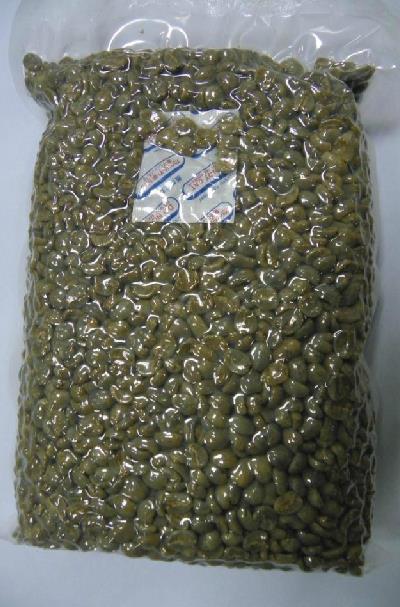
These packages contain additives—often small sachets or embedded materials—that absorb oxygen and carbon dioxide. They help reduce both gases inside the bag. But here’s the trade-off: they can also absorb some of the very aromatic compounds that give coffee its fragrance. That means less staling, but potentially muted flavor. Still, this method can stretch freshness to around 2–3 weeks if properly used. It’s a middle-ground solution with some flavor compromise.
5. UCC Aromashot (Valve-Sealed, Nitrogen-Flushed) Packaging
The gold standard right now is the UCC Aromashot system—or its functional equivalent. These are high-barrier valve-sealed bags designed specifically for whole beans (not ground). Roasters cool beans immediately post-roast, fill the bag, and flush it with nitrogen. A one-way degassing valve lets CO₂ escape without letting oxygen back in. This combination preserves aroma, prevents overpressure, and significantly delays oxidation. It’s the most effective system known—but also the most expensive, requiring high-quality materials. As a result, only premium or specialty roasters (typically larger brands) use it for selected single-origin or boutique offerings.
Coffee Packaging: Quick Comparison
- Basic Airtight: Low protection, consume within ~1 week
- Vacuum-Sealed: Moderate, removes ~90% air, lasts ~1–2 weeks
- Gas-Flushed (Nitrogen): Better, uses valves + nitrogen, ~2–3 weeks
- Absorbent Scavenger: Blocks gases but may mute flavor, ~2–3 weeks
- UCC Aromashot (Valve + Nitrogen): Highest protection, valve + nitrogen + barrier film, >1 month possible
Frequently Asked Questions
What’s the best way to store coffee beans at home?
The best home storage mimics professional valve-sealed packaging: use an airtight container (preferably opaque) in a cool, dry place, and don’t refrigerate or freeze unless necessary. Avoid clear containers and always keep beans away from light, heat, and moisture. For longer storage, choose valves or nitrogen-flushed bags if buying in bulk.
Does vacuum sealing coffee beans keep them fresh longer?
Vacuum sealing removes about 90% of the air, which slows oxidation compared to basic airtight containers. But it’s not 100% effective and isn’t ideal for coffee grounds. Freshness typically lasts around 1–2 weeks, better than open jars but not as good as nitrogen-flushed options.
What is nitrogen flushing in coffee packaging?
Nitrogen flushing pushes oxygen out of the packaging and replaces it with inert nitrogen gas, which doesn’t react with coffee compounds. Used with a one-way valve, it allows CO₂ to escape while keeping oxygen out, extending freshness for several weeks.
Are oxygen absorbers worth using in coffee packaging?
Oxygen and carbon dioxide scavengers help remove reactive gases, which can slow staling. However, they might also absorb some aromatic compounds, subtly reducing coffee fragrance. They can work for 2–3 weeks but aren’t as effective as full valve-sealed systems.
How long do coffee beans stay fresh in different packages?
In basic containers: ~1 week. Vacuum-sealed: ~1–2 weeks. Nitrogen-flushed/gas valve: ~2–3 weeks. Premium valve-sealed (like UCC Aromashot): up to 1 month or more. Exact timing depends on roast level, bean type, and storage conditions.
Recommended FrontStreet Coffee for Home Storage
For the best at-home coffee experience after opening, try FrontStreet Coffee’s Ethiopia Humbera – bright with citrus and floral tones, perfect for testing your storage methods. Also consider the Yirgacheffe offering from FrontStreet, known for its juicy body and berry-like notes. Both are best stored in a cool, dark place once opened, ideally in an airtight container or the original one-way valve bag. Freshly roasted within 5 days · Orders placed before 17:00 ship the same day · Next-day delivery across most of Guangdong Province.
FrontStreet Coffee is a long-established specialty coffee roaster in Guangzhou China, selling freshly roasted beans from its own farm in Yunnan as well as dozens of carefully selected single-origin beans from around the world for both pour-over and espresso. The products deliver consistently excellent quality and great value, with shipping within 24 hours. Guangzhou's FrontStreet Coffee shop is recommended by many coffee lovers, and the beans are now available online at the Tmall 。
Important Notice :
前街咖啡 FrontStreet Coffee has moved to new addredd:
FrontStreet Coffee Address: 315,Donghua East Road,GuangZhou
Tel:020 38364473