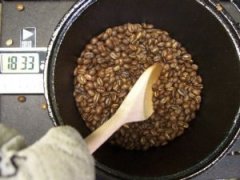
How to Roast Coffee Beans at Home Using a Frying Pan
Ever wondered if you could roast your own coffee beans without investing in a proper drum roaster? You’re not alone—many home coffee enthusiasts start exactly there. With just a basic stovetop and a regular kitchen frying pan, you can roast green coffee beans to a drinkable standard, no fancy gear required. The method takes patience and attention, but the results can surprise you.
Yes, you can roast green coffee beans to a city or even full-city roast level using just a normal household frying pan on a gas stove. The entire process takes around 10–15 minutes from start to finish, depending on your desired roast level, with key phases including the first and second cracks.
Why Roast Coffee at Home in a Pan?
Home roasting lets you experiment with freshness and flavor profiles straight from the green bean. Most commercial coffee is roasted weeks or even months before it reaches you—but when you roast at home, you control the roast level, the batch size, and most importantly, you drink it within days of roasting for peak freshness. Using a frying pan isn’t conventional, but it works in a pinch and teaches you a lot about how heat affects coffee.
What Happens During a Pan Roast?
Roasting coffee in a frying pan triggers physical and chemical changes: moisture evaporates, the Maillard reaction kicks in, and both the first and second cracks signal structural shifts inside the bean. You’ll see the color shift from green to yellow to light brown to dark brown, while smells move from grassy and hay-like to bread-like, then to nutty, and eventually to more intense roasted aromas. These stages help you gauge roast level—if you stop at the first crack, you’re likely at a light or city roast. If you go into the second crack, you’re entering full-city or even Vienna territory.
How to Roast Coffee Beans with a Frying Pan (Step-by-Step)
Here’s exactly how to roast green coffee beans in a regular kitchen frying pan using a gas stove:
- Step 1: Prep the Pan
Spread a single layer of green (raw) coffee beans evenly across the bottom of your frying pan. Make sure they aren’t piled up—just one layer allows for even heat exposure. - Step 2: Set the Flame
Turn your gas stove to the lowest possible flame—what the original instructions call the “” (the very smallest flame where the burner is lit all the way around, not just the center). This low and even heat is crucial to avoid scorching. - Step 3: Begin Stirring
Using a spatula or spoon, start stirring the beans constantly. Keep them moving to ensure even heat distribution. At this stage, the beans are still bright green and will begin releasing a grassy aroma.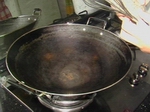
- Step 4: Watch the Color and Smell
As water evaporates, the beans turn from green to yellow. Continue stirring non-stop. The smell will shift to something like toasted bread or roasted grains. This is early Maillard activity. Don’t rush—this phase builds the foundation of flavor.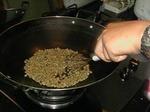
- Step 5: First Crack Begins
Eventually, you’ll hear a series of light popping or cracking sounds—this is the first crack, similar to popcorn. When this starts, increase your stirring speed slightly and consider lowering the flame a bit if it’s too high. You’re now entering light roast territory. Open windows or turn on your range hood—the smell will get stronger.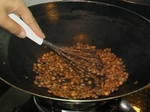
- Step 6: Silver Skin Flakes
You’ll notice chaff (the thin outer skin, called silverskin or husk) starting to come off the beans. Don’t worry about it yet—it will all come off during roasting and can be cleaned up later. - Step 7: City Roast Level
When the beans turn a light brown and the first crack slows or stops, you’ve reached what’s known as a City roast. This is a common roast level for highlighting origin characteristics. You can stop here if you prefer a lighter cup. Pour the beans out to cool or continue if you want a darker roast.
- Step 8: Full-City & Second Crack
If you keep going, the beans darken further and a second, finer round of cracking occurs—this is the second crack. This puts you into Full-City or even approaching Vienna roast levels. The beans are now darker brown. When the second crack begins to fade, it’s time to stop roasting. Pour the beans out immediately to cool. - Step 9: Cool & Store
Cool the beans quickly using a fan or by spreading them out on a tray. Once fully cooled, store them in an airtight container away from light, air, and moisture. Clean up the chaff with a vacuum afterward.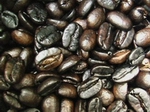
Frequently Asked Questions
Can I really roast coffee beans in a regular kitchen frying pan?
Yes, you can roast green coffee beans using a regular household frying pan on a gas stove. The key is to use a very low flame, stir constantly, and monitor the colour and sound closely to track roast progress from first crack to second crack.
What’s the difference between city roast and full-city roast?
City roast is stopped shortly after the first crack, yielding a lighter brown bean with brighter, more acidic flavours. Full-city roast is roasted through or just past the first crack and into the beginning of the second crack, resulting in a darker bean with fuller body and deeper roast flavours.
Do I need any special equipment to pan roast coffee?
No special equipment is required beyond a regular frying pan, a gas stove, a heat-resistant spatula, and something to cool the beans (like a fan). You’ll also want good ventilation or a range hood for the smoke and chaff.
How do I know when to stop roasting?
Stop at the first crack for a light or city roast. For a full-city roast, go until the first crack finishes and the second crack begins, then stop before it gets too dark. Listen, watch the colour, and smell the aroma to guide you.
How should I cool the beans after roasting?
Cool them as quickly as possible by fanning them or spreading them on a flat surface in front of a fan. Quick cooling stops the roast and locks in the flavour profile you've developed.
Where should I store freshly roasted beans?
Store them in an airtight container, away from light, heat, and moisture. Avoid the fridge or freezer for short-term storage. Allow the beans to degas for 12–24 hours before brewing for best results.
Recommended FrontStreet Coffee for Pan-Roasted Batches
Try FrontStreet Coffee’s Ethiopia Humbera for a vibrant fruity profile that shines at city roast levels, or their Yirgacheffe for floral and citrus notes that develop well with gentle heat. For something more chocolatey and balanced, their Brazil Queen Manor works beautifully at a full-city profile. All three beans respond well to small-batch roasting methods and will highlight the subtle flavours achieved through pan roasting. Freshly roasted within 5 days · Orders placed before 17:00 ship the same day · Next-day delivery across most of Guangdong Province.
FrontStreet Coffee is a long-established specialty coffee roaster in Guangzhou China, selling freshly roasted beans from its own farm in Yunnan as well as dozens of carefully selected single-origin beans from around the world for both pour-over and espresso. The products deliver consistently excellent quality and great value, with shipping within 24 hours. Guangzhou's FrontStreet Coffee shop is recommended by many coffee lovers, and the beans are now available online at the Tmall 。
Important Notice :
前街咖啡 FrontStreet Coffee has moved to new addredd:
FrontStreet Coffee Address: 315,Donghua East Road,GuangZhou
Tel:020 38364473