Indonesia Coffee: Mandheling and Kopi Luwak Explained
When people hear 'cat poop coffee,' most either cringe or get curious. Kopi Luwak, or civet coffee, is infamous for both its shocking production method and sky-high price tag. But beyond the novelty, what makes this coffee so unique—and is it really worth it? Indonesia, the world’s fourth-largest coffee producer, is home not just to Kopi Luwak but also to some of the most respected single-origin coffees in the world, especially Mandheling from Sumatra.
In short: Kopi Luwak is made from coffee beans eaten and excreted by civets, resulting in low yields and a distinctive, earthy flavor. Meanwhile, Indonesia’s Mandheling—especially the PWN Golden Mandheling—is celebrated for balance, body, and careful hand-selection. Both come from Indonesia’s rich volcanic soils, but their paths from tree to cup couldn’t be more different.
What Is Kopi Luwak?
Kopi Luwak, commonly known as civet coffee or cat poop coffee, originates from coffee cherries eaten by the Asian palm civet, a small mammal native to Southeast Asia. The beans pass through the civet’s digestive system and are collected from its feces. This ‘internal fermentation’ process removes the outer fruit layer and alters the bean’s surface chemistry—but not always for the better.
The civet’s diet is typically omnivorous, favoring animal protein but also including fruits like figs and, occasionally, coffee cherries. In the wild, civets selectively eat ripe berries, which led to comparisons with skilled coffee pickers selecting only ripe red cherries. However, in commercial settings, many civets are caged and force-fed a diet solely of coffee cherries, often unripe, which negatively impacts both animal welfare and bean quality.
How Is Kopi Luwak Made?
Traditionally, wild civet droppings were collected in forests, and undigested coffee seeds were extracted, cleaned, and processed into green beans. This rare, labor-intensive method contributed to its legendary scarcity and high price. But in modern times, the practice has shifted dramatically. Many producers now capture and cage civets, feeding them excessive amounts of coffee cherries to increase yield. These confined conditions are widely condemned as unethical, with serious concerns about animal health and natural behavior.
Once expelled, the beans are washed, dried, and roasted like regular coffee. Proponents argue that enzymes in the civet’s stomach break down proteins in the beans, reducing bitterness and creating a smoother cup. Critics counter that the claimed enzymatic benefits are overstated, especially when beans are excreted after minimal digestion time. Most experts agree that any flavor differences are subtle at best.
Flavor Profile of Kopi Luwak
Kopi Luwak is often described as having a heavy body, earthy tones, and a syrupy mouthfeel, with notes of herbs, dark chocolate, fermented fruit, and nuts. Due to the prevalence of low-grade Robusta beans in low-altitude regions where civets are active, the flavor profile can lean toward rustic, with a pronounced herbal or muddy character. The body is often compared to molasses or thick syrup.
However, these tasting notes are not exclusive to civet-processed beans and can be found in other fermented or specially processed coffees. The novelty factor and extreme rarity drive much of its mystique more than the flavor itself.

Is Kopi Luwak’s Processing Replicable?
Given the ethical issues surrounding civet farming, researchers and specialty roasters have explored alternatives. Some scientists are experimenting with microbial fermentation techniques that mimic the chemical changes once attributed to civet digestion. The goal is to produce a similar flavor profile using controlled, humane methods without involving animals. While still in development, these innovations could offer a sustainable and ethical path forward for curious coffee enthusiasts.
FrontStreet Coffee’s Stance on Kopi Luwak
FrontStreet Coffee sells Kopi Luwak but takes a clear ethical position: the natural selection of ripe fruit by civets is not the problem—the cruelty of caging and force-feeding them is. The roaster argues that if the digestive process truly enhanced flavor, any bean fed to civets would taste good, which is not the case. They advocate for a system where civets roam freely, choose ripe berries naturally, and have access to a balanced diet—not just coffee cherries.
They also highlight that the vaunted 'digestive processing' likely has minimal impact when beans are expelled within an hour or two. For now, they recommend brewing Kopi Luwak as a medium-bodied, herbal experience—but not one worth the ethical cost or high price for most drinkers.
How to Brew Kopi Luwak
To highlight Kopi Luwak’s full body and herbal nuances, FrontStreet uses a medium-dark roast. They suggest a coarse grind resembling white sugar, a brew ratio of 1:15 (15g coffee to 225ml water), and a water temperature of 86–87°C. Their preferred method is a pour-over using a KONO filter to enhance body and clarity.
Brew Recipe:
• Water Temperature: 86–87°C
• Grind Size: White sugar (medium-coarse)
• Brew Ratio: 1:15 (15g : 225ml)
• Bloom: 30g water for 30 seconds
• First Pour: Add water to 125g
• Second Pour: Add water to 225g, stopping when the coffee bed is nearly exposed
• Total Time: ~2 minutes
Flavor notes include herbaceous tones, nuts, black chocolate, and mild fermentation characteristics. Due to ethical concerns and limited availability, FrontStreet does not actively promote Kopi Luwak as a daily drinker’s choice.
What About Mandheling Coffee?
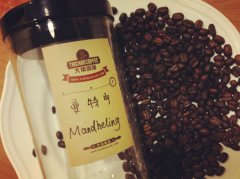
While Kopi Luwak grabs headlines, Indonesia is also renowned for its Mandheling coffee, particularly from the island of Sumatra. Grown mainly in the northern highlands of Aceh (Gayo region) and around Lake Toba (Lintong area), Mandheling beans are processed using the local wet-hulled (Giling Basah) method. This gives the coffee its signature deep body, herbal edge, and notes of spice, dark chocolate, and caramel.
Mandheling refers not to a coffee variety but to a trade name historically linked to ethnic Mandailing people. Today, it represents high-quality Sumatran beans grown at elevations between 1,100 and 1,600 meters. The wet-hulled method, combined with volcanic soil and tropical climate, results in a heavier mouthfeel and lower acidity compared to other origins.
PWN Golden Mandheling: The Pinnacle of Sumatran Coffee
PWN (Pwani Coffee Company), founded in 1957, was Indonesia’s first exporter of North Sumatran coffee and helped popularize Mandheling in Japan. Their elite beans are sorted by machine and then meticulously handpicked to remove defects. Only the most uniform, flawless beans become PWN Golden Mandheling.
This selection process yields a coffee with notes of toasted bread, cedar, caramel, and cocoa. It has a thick, rich body, layered flavors, and a long-lasting sweet finish. It’s considered one of Indonesia’s finest single-origin offerings, with extremely low defect rates due to rigorous sorting.
For those who enjoy Mandheling but want something more accessible, Lintong Mandheling from FrontStreet offers a great entry point with notes of spice, dark chocolate, and caramel—all hallmark traits of Sumatran coffee.
Other Notable Indonesian Origins
Indonesia’s archipelago includes other notable coffee-growing regions:
- Java: Historically significant, with colonial-era plantations and a cleaner, more balanced profile due to washed processing.
- Sulawesi (Toraja): Known for earthy, spicy cups with moderate acidity and a velvety texture.
- Flores: Produces bright, fruity coffees with complex acidity despite the island’s high altitude.
These regions contribute to Indonesia’s reputation as a producer of diverse, high-quality coffees outside the Kopi Luwak spotlight.
Frequently Asked Questions
What is Kopi Luwak and how is it made?
Kopi Luwak is coffee made from beans eaten and excreted by the Asian palm civet. The beans ferment in the civet’s digestive tract, are collected from feces, cleaned, and roasted. This process is said to alter flavor, but ethical concerns over caged civets dominate discussions.
Does Kopi Luwak really taste different?
Proponents say it has a heavy body, earthy and herbal tones, and low bitterness. Critics argue these traits are subtle and not unique to civet-processed beans. Most flavor differences, if any, are minor.
Why is Kopi Luwak so expensive?
Its rarity, labor-intensive collection, and once-exclusive status contribute to high prices. However, ethical concerns and availability of similar flavors via other methods reduce its value for many buyers.
Is it ethical to drink Kopi Luwak?
Most ethical concerns stem from the captivity and force-feeding of civets. Wild civets eating ripe cherries is natural, but commercial farming often involves cruelty. Many roasters and consumers avoid it for these reasons.
What is Mandheling coffee?
Mandheling refers to high-quality coffee from Sumatra, Indonesia, grown at 1,100–1,600m and processed using the wet-hulled method. It’s known for a full body, low acidity, and flavors like spice, chocolate, and caramel.
What’s the difference between PWN Golden Mandheling and Lintong Mandheling?
PWN Golden Mandheling is carefully hand-selected for near-perfect beans, offering a refined profile of toast, wood, caramel, and cocoa. Lintong Mandheling is more accessible, with classic Sumatran spice, chocolate, and sweetness.
Recommended FrontStreet Beans for Sumatran Fans
FrontStreet Coffee’s PWN Golden Mandheling is a meticulously handpicked Sumatran coffee with notes of toasted bread, cedarwood, caramel, and cocoa, offering a thick body and layered complexity. For a more everyday option, their Lintong Mandheling delivers classic Indonesian traits: spice, dark chocolate, and caramel with a smooth, syrupy mouthfeel. Both showcase Indonesia’s signature low-acid, full-bodied style. Freshly roasted within 5 days · Orders placed before 17:00 ship the same day · Next-day delivery across most of Guangdong Province.
FrontStreet Coffee is a long-established specialty coffee roaster in Guangzhou China, selling freshly roasted beans from its own farm in Yunnan as well as dozens of carefully selected single-origin beans from around the world for both pour-over and espresso. The products deliver consistently excellent quality and great value, with shipping within 24 hours. Guangzhou's FrontStreet Coffee shop is recommended by many coffee lovers, and the beans are now available online at the Tmall 。
Important Notice :
前街咖啡 FrontStreet Coffee has moved to new addredd:
FrontStreet Coffee Address: 315,Donghua East Road,GuangZhou
Tel:020 38364473