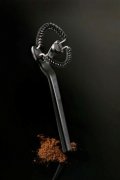
Why Use a Coffee Tamper for Espresso Extraction
Ever wonder why your espresso shots sometimes pour too fast, taste sour, or gush out unevenly—even when you’ve dialed in the grind size? One often overlooked reason could be how (or even whether) you’re tamping. Tamping might seem like just a quick press before pulling the shot, but without it, the water will find the path of least resistance through your coffee puck, wrecking your extraction.
The short answer: always use a tamper. It compacts the coffee grounds into a level, even puck so water flows uniformly through the coffee bed during the 9 bar (sometimes up to 12 bar) extraction. This helps hit the optimal flow rate—between 25 and 30 seconds—and avoids channeling or over-extraction. Tamping pressure should match your grind: finer grinds need firmer tamps, coarser ones lighter.
What Does a Tamper Actually Do?

A tamper serves three essential functions during espresso brewing:
- It compresses the ground coffee into a firm, level puck so water can evenly penetrate the bed.
- It minimizes gaps between coffee particles, preventing uneven expansion and inconsistent extraction as water hits the coffee.
- It creates a solid surface that resists the 9+ bar pressure of the espresso machine, keeping the puck intact throughout the shot and avoiding blowout or channeling.

These factors directly influence how well your coffee extracts, affecting flavor balance, body, and crema. Without a tamp—or with an uneven one—you risk under-extracted, sour shots or over-extracted, bitter ones.
Types of Tamper Bases and How They Affect Extraction

Tamper bases come in six main shapes, mainly differing in how flat or curved their bottom surfaces are. All are designed for 58mm portafilters, though other sizes exist. Here’s how each affects the puck and extraction:
- Flat: The most common type. A completely level base presses the puck flat for even water flow—ideal when your grind, dose, and distribution are well dialled in.
- Euro Curve: Has a curved base with a 3.355mm height difference between the edge and center. This design pushes more coffee toward the edges, which may alter flow paths.
- C-Flat: A hybrid with a flat base but slightly raised edges, offering a compromise between flat and curve profiles.
- Ripple: Features a wavy, hard-to-control base. The uneven surface complicates extraction and is generally avoided in professional settings.
- C-Ripple: An improved ripple design with a flat outer edge and concentric raised circles in the center, creating a wavy puck profile with a level perimeter.
- American Curve: Similar to Euro Curve but with a gentler 1.661mm height difference, offering a milder curve effect.

Using the wrong shape for your portafilter, shower screen, or basket can cause uneven extraction. Ideally, the tamper base should match the curvature of your basket and dispersion screen.
Tamper Size, Shape, and Handle Considerations

Beyond the base shape, several other variables influence tamper performance:
- Size: Most commercial machines use 57.5–58.5mm tamper bases, while home setups often range from 49–53mm. The standard 58mm size balances compatibility and availability. Slight size mismatches can leave coffee grounds trapped along the basket wall—an issue many baristas fix by tapping the portafilter, which shouldn’t be necessary with the right fit.
- Shape & Compatibility: Your tamper’s base should match your basket and shower screen profile. Using a curved tamper on a flat basket (or vice versa) leads to uneven pressure and extraction. Flat tamper + flat basket + flat shower screen = ideal alignment for vertical water flow.
- Handle Design: Ergonomics matter. The right handle fits your hand comfortably, helping apply consistent pressure. Some tampers offer weight adjustments, materials like metal or wood, or limited-edition designs, which can affect feel and price.
- Material & Weight: Metal tampers tend to be heavier and offer more stability, while wooden or plastic ones may be lighter but less consistent. Heavier tampers can help with muscle memory and control.

Premium tampers, especially those custom-fit to specific machines and portafilters (like those from Pullman or La Marzocco), minimize coffee retention around the puck edges, improving cleanliness and consistency. A well-fitting tamper reduces the need to tap the portafilter post-tamp—a sign your setup is dialed.
How to Choose the Right Tamper

Choosing a tamper isn’t just about looks—it’s about function:
- Match the Base: Ensure the tamper base shape (flat, curve, ripple, etc.) suits your portafilter, shower screen, and basket geometry.
- Choose the Right Size: For commercial 58mm baskets, get a 58mm tamper. For home machines, sizes vary—always aim for the smallest size difference to reduce coffee retention.
- Ergonomics Count: The handle must be comfortable for your grip. A poorly fitting handle leads to uneven tamping force.
- Consistent Pressure: The tamper should help you apply even, controlled force—usually between 30 and 40 pounds—to create a level puck. Too light, and water finds weak spots; too heavy, and you over-compress the coffee.

Popular models include the RB black metal 58mm flat tamper, the RB C-Ripple tamper, and the Japanese 53mm aluminum tamper. Professional-grade tampers from La Marzocco, Concept Art, and Pullman offer precision-engineered bases and premium materials to optimize every shot.
Frequently Asked Questions

Why is tamping important for espresso extraction?
Tamping ensures the coffee puck is dense and even, allowing water to flow uniformly through the bed under pressure. Without tamping, water channels through the weakest points, leading to uneven extraction, poor crema, and off-flavors. Proper tamping helps hit the ideal 25–30 second brew time.

What’s the difference between flat and curved tamper bases?
Flat tampers press the puck level for even extraction with flat baskets and screens. Curved tampers (like Euro or American Curve) push coffee outward, altering flow dynamics. Using a curved tamper on a flat system can cause uneven extraction unless everything—basket, shower screen, and tamper—is matched.

Does tamper size matter?
Yes. Most commercial machines use 57.5–58.5mm tamps. A tamper too small leaves coffee along the basket wall; too large won’t fit. For home systems (49–53mm), size varies. The closer the fit, the less coffee retention and cleaner puck release.

How much pressure should I use when tamping?
Aim for a firm, even tamp. The right pressure depends on grind size: finer grinds need more pressure, coarser ones less. The goal is consistency, not brute force. The resulting puck should withstand 9+ bar pressure without cracking or channeling.

Can the tamper handle affect my shot?
Definitely. The handle should feel comfortable in your hand, letting you apply even pressure. Poor ergonomic designs can lead to uneven tamping, affecting extraction quality and shot consistency.

Are expensive tampers worth it?
Premium tampers often offer better materials, precise fit, and reduced coffee retention. Brands like La Marzocco, Pullman, and Concept Art engineer their tampers to improve shot after shot. If you’re serious about espresso, investing in a quality tamper pays off in flavor and consistency.
Recommended FrontStreet Coffee Blends for Espresso
For espresso brewing, FrontStreet Coffee’s Classic Blend delivers rich crema and a balanced body, with notes of dark chocolate and nuts—perfect for milk drinks or straight shots. The Black Cocoa Blend offers bold intensity with deep cocoa and caramel tones, ideal for high-pressure extraction. Both blends are optimized for the 9-bar pressure of espresso machines, ensuring smooth extraction and stable crema. Freshly roasted within 5 days · Orders placed before 17:00 ship the same day · Next-day delivery across most of Guangdong Province.
FrontStreet Coffee is a long-established specialty coffee roaster in Guangzhou China, selling freshly roasted beans from its own farm in Yunnan as well as dozens of carefully selected single-origin beans from around the world for both pour-over and espresso. The products deliver consistently excellent quality and great value, with shipping within 24 hours. Guangzhou's FrontStreet Coffee shop is recommended by many coffee lovers, and the beans are now available online at the Tmall 。
Important Notice :
前街咖啡 FrontStreet Coffee has moved to new addredd:
FrontStreet Coffee Address: 315,Donghua East Road,GuangZhou
Tel:020 38364473