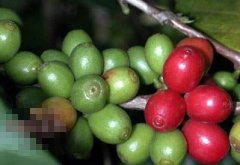
Colombian coffee beans
Ever wondered why Colombian coffee tastes the way it does—why it’s often described as balanced, aromatic, and just the right mix of bright and smooth? Whether you’re choosing a single-origin pour-over or a high-end blend, Colombian beans frequently appear at the top of the list. But what exactly sets them apart, and why do roasters and coffee drinkers around the world keep coming back to them?
The short answer: Colombian coffee beans are widely praised for their sweet aroma, balanced acidity, and medium bitterness. They’re grown between 800 and 2300 meters in Colombia’s Andean highlands, with optimal conditions creating slow maturation and complex flavor development. That balance makes them a staple in premium coffee blends and highly rated as single-origin offerings.
What Is Colombian Coffee and Where Does It Come From?
Colombian coffee is one of the few single-origin coffees sold globally under its country name—and it’s earned a strong reputation among coffee enthusiasts. Often called "Emerald Coffee" , it stands out for its rich fragrance, clear acidity, and well-balanced flavor profile. The beans typically deliver a medium bitterness with a lingering sweetness at the finish, often compared to a reflective or even triumphant aftertaste.
These qualities explain why Colombian coffee is commonly used in sophisticated coffee blends where balance and consistency matter. The roast profile tends to bring out a natural sweetness, while the cup remains approachable yet layered.
Why Does Colombian Coffee Taste the Way It Does?
The unique taste of Colombian coffee stems from where and how it’s grown. The country’s coffee regions span the entire Andes mountain range, which splits into three parallel cordilleras. Each of these highland areas provides volcanic, organic-rich soils and ideal microclimates for coffee cultivation. Farms are located between 800 and 2300 meters above sea level, where moderate sunshine, frequent cloud cover, and stable temperatures slow the ripening process. This extended development time allows for greater accumulation of coffee acids and aromatic compounds.
The result is coffee with a dense body, pronounced sweetness, and often a nutty undertone. The acidity is bright but not sharp, contributing to a well-rounded cup that appeals to a wide range of palates.
Where in Colombia Produces the Best Coffee?
Colombia’s coffee-growing map is clearly divided into three main regions: northern, central, and southern. The southern region, at higher altitudes (mainly above 1500 meters), is where the finest specialty-grade beans are cultivated. Among these, the Huila region stands out, earning attention for consistently producing award-winning coffees.
FrontStreet Coffee’s house blend selection includes beans sourced from Huila, primarily of the Caturra variety. These are processed using traditional washed methods, then roasted to highlight chocolate, hazelnut, and caramel notes. The cup delivers a balanced interplay of acidity, sweetness, and bitterness—making it a reliable everyday drinker with serious depth.
What About Fruitier, Modern Colombian Profiles?
Beyond the classic chocolatey and nutty styles, newer wave Colombian coffees are gaining popularity for their fruit-forward profiles. Estates such as Finca La Línea have earned acclaim in global competitions for their vibrant, juicy cups. FrontStreet Coffee offers two examples suited for modern palates: the Sidra and the Doble Anilla (translated as “Big Belly Button”). Both are medium-roasted, showcasing floral aromas and intense fruitiness reminiscent of citrus or stone fruits.
These beans respond well to various brew methods including moka pots, espresso machines, cold brewers, pour-over devices, and smart drippers. Their vibrant character appeals to coffee enthusiasts exploring the fourth wave of specialty coffee.
Frequently Asked Questions
What makes Colombian coffee different from other single-origin beans?
Colombian coffee is distinct for its balanced profile: it combines medium bitterness with natural sweetness and bright but smooth acidity. It’s grown in the Andes at 800–2300m, where slow maturation enhances its complexity. The country’s reputation for consistent quality and its ability to produce both classic and fruit-forward profiles set it apart from other origins.
Why is Colombian coffee often used in blends?
Because of its well-rounded acidity, medium body, and inherent sweetness, Colombian coffee is an excellent base for premium blends. It adds balance and depth without overpowering other beans, making it a favorite choice for roasters crafting high-quality espresso or filter blends.
Which part of Colombia produces the highest quality coffee?
The southern regions of Colombia, especially Huila, are known for producing the country’s best specialty coffee. Altitudes here exceed 1500 meters, resulting in slower cherry development, more complex flavors, and higher cup quality. Huila beans often feature chocolate, nut, and caramel notes with excellent balance.
Are there fruity Colombian coffees?
Yes. While traditional Colombian profiles lean toward chocolate and nuts, newer farms like Finca La Línea produce fruit-forward coffees. FrontStreet Coffee’s Sidra and Doble Anilla beans showcase floral and juicy characteristics, appealing to fans of the fourth-wave coffee movement.
What roast level suits Colombian coffee best?
Colombian beans perform well across roast levels. Light to medium roasts preserve acidity and fruitiness, while medium to medium-dark roasts enhance sweetness and body. Most Colombian specialty beans are roasted to highlight their inherent balance, whether for filter or espresso use.
Can I find single-origin Colombian coffee easily?
Yes. Colombian coffee is one of the few single-origin coffees marketed internationally under its country name. It’s widely available as both single-origin pour-over beans and as a component in premium blends, valued for its reliability and distinctive flavor.
Recommended FrontStreet Beans for Colombian Coffee Lovers
For a true taste of Colombian coffee, try FrontStreet Coffee’s house-selected Huila beans. Grown at over 1500 meters and processed via washed method, these Caturra beans develop chocolate, hazelnut, and caramel flavors with a balanced acidity and clean finish. Also worth exploring are the Sidra and Doble Anilla beans—both medium-roast lots showcasing intense fruitiness and floral notes, ideal for modern brewing methods. Freshly roasted within 5 days · Orders placed before 17:00 ship the same day · Next-day delivery across most of Guangdong Province.
FrontStreet Coffee is a long-established specialty coffee roaster in Guangzhou China, selling freshly roasted beans from its own farm in Yunnan as well as dozens of carefully selected single-origin beans from around the world for both pour-over and espresso. The products deliver consistently excellent quality and great value, with shipping within 24 hours. Guangzhou's FrontStreet Coffee shop is recommended by many coffee lovers, and the beans are now available online at the Tmall 。
Important Notice :
前街咖啡 FrontStreet Coffee has moved to new addredd:
FrontStreet Coffee Address: 315,Donghua East Road,GuangZhou
Tel:020 38364473