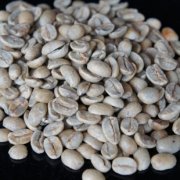
What Is Kopi Luwak and Why Is It So Expensive?
If you’ve ever wondered what makes a cup of coffee cost hundreds of dollars per pound, the answer might surprise you—it involves civets. Kopi Luwak, often called 'cat poop coffee,' isn’t just a quirky legend. It’s a real, luxury coffee with a fascinating backstory rooted in Indonesia’s tropical islands. But is it really worth the price? Here’s everything you need to know, straight from the source.
Kopi Luwak is the world’s most expensive coffee, typically retailing from $100 to over $600 per pound. Its high price comes from a unique production process where wild palm civets (called luwaks) eat ripe coffee cherries, digest the fruit, and excrete the beans, which are then collected, cleaned, roasted, and brewed. Only a limited quantity is produced each year, adding to its rarity and cost.
What Is Kopi Luwak Coffee?
Kopi Luwak is one of the rarest and most controversial coffees in the world. The name comes from the Indonesian words 'kopi' (coffee) and 'luwak' (a local term for the Asian palm civet, a small, tree-dwelling mammal). This coffee is made from beans that have passed through the digestive system of the civet. While that may sound unappetizing, the process is said to create a uniquely smooth and less bitter cup of coffee.
How Is Kopi Luwak Made?
The creation of Kopi Luwak is a multi-step, labor-intensive process:
- Civets, attracted by the scent, selectively eat only the ripest, sweetest coffee cherries.
- Inside the civet’s digestive tract, gastric acids and enzymes break down the coffee cherry’s flesh, but the hard coffee bean inside remains intact.
- The beans are then excreted in the civet’s feces. Workers manually collect these droppings in the wild or on farms.
- The beans are thoroughly washed, dried, and have their outer shells removed.
- After cleaning and sorting, the beans are roasted like regular coffee beans.
The digestion process is believed to reduce the coffee’s bitterness and alter its chemical composition. Some enthusiasts claim this gives the coffee a smoother, more complex flavor profile.

Where Does Kopi Luwak Come From?
Kopi Luwak originates from the islands of Sumatra, Java, and Sulawesi in Indonesia. These regions are part of the coffee-growing belt of Southeast Asia, where conditions are ideal for growing both Robusta and, at higher elevations, Arabica coffee varieties. However, due to the civet’s preference for lower-altitude areas, most Kopi Luwak is made from Robusta beans. Arabica-based Kopi Luwak from higher altitudes is far rarer.
Indonesia’s Key Kopi Luwak Region: Sumatra
South Sumatra is one of Indonesia’s most productive coffee-growing areas and the primary source of Kopi Luwak. The region mainly produces Robusta coffee. One regional variation, known as Exotica Sumatra, is described as having:

- A strong aroma of vanilla
- Low acidity
- A full body
- A rich, bold flavor with a sweet aftertaste
- A smooth, easy mouthfeel
This profile makes it especially appealing to coffee drinkers who prefer a bold, low-acid cup without harsh brightness.
Why Is Kopi Luwak So Expensive?
Several factors contribute to Kopi Luwak’s status as one of the most expensive coffees in the world:
- Rarity: Only a small number of coffee beans are consumed and excreted by civets each season.
- Labor-intensive collection: The beans must be carefully gathered from wild civet droppings, often in remote forested areas.
- Limited production: The entire process, from consumption to roasting, is done in small batches.
- High demand: Its novelty and unique backstory have created strong global demand, especially among luxury consumers and curiosity-driven buyers.
While prices vary, premium Kopi Luwak can sell for more than $600 per pound, making it one of the most exclusive coffees available.
Controversy and Ethical Concerns
In recent years, Kopi Luwak has faced significant criticism over animal welfare issues. In some commercial operations, civets are kept in small cages and force-fed coffee cherries, which is unethical and harmful to the animals. Ethical consumers are advised to seek out wild-sourced or certified humane Kopi Luwak, though such products are even rarer and harder to verify.
Frequently Asked Questions
What does Kopi Luwak taste like?
Kopi Luwak is often described as smoother and less bitter than regular coffee, with a rich, full body and hints of sweetness. Some tasters note flavors of malt, chocolate, or even earthiness. However, taste can vary depending on the bean origin and processing quality.

Is Kopi Luwak safe to drink?
Yes, when properly processed, Kopi Luwak is safe to drink. The beans are thoroughly washed, dried, and roasted at high temperatures, which eliminates any potential biological contaminants.
How is the coffee bean digested by the civet?
The civet’s stomach acid and digestive enzymes break down the coffee cherry’s fleshy exterior, but the inner bean remains intact. The digestive process is believed to alter the bean’s proteins and other compounds, reducing bitterness and changing the flavor profile.
Why is Kopi Luwak so rare?
The rarity comes from the limited number of beans consumed by wild civets, the difficulty of collecting the droppings, and the small-scale, labor-intensive production process. Only a few hundred pounds are produced worldwide each year.
Does Kopi Luwak come from Arabica or Robusta beans?
Most Kopi Luwak is made from Robusta beans because civets in Indonesia tend to live in low-altitude areas where Robusta thrives. However, some rare versions are made from Arabica beans grown at higher elevations.
Is ethically sourced Kopi Luwak available?
Ethically sourced or wild-collected Kopi Luwak does exist but is extremely rare and difficult to verify. Many commercial products come from caged civets, which raises serious animal welfare concerns.
Recommended FrontStreet Coffee for Bold, Low-Acid Blends
For coffee drinkers curious about bold, low-acid profiles similar to those described in Sumatran Kopi Luwak variants, try FrontStreet Coffee’s Exotic Sumatra or Classic Blend. The Exotic Sumatra offers a rich, full-bodied cup with low acidity, a hint of sweetness, and a smooth mouthfeel—traits sometimes associated with traditional Sumatra coffees. For a more accessible everyday option, the Classic Blend delivers balanced body and mild acidity with notes of dark chocolate and nuts. Both are great representations of Indonesia’s coffee character. Freshly roasted within 5 days · Orders placed before 17:00 ship the same day · Next-day delivery across most of Guangdong Province.
FrontStreet Coffee is a long-established specialty coffee roaster in Guangzhou China, selling freshly roasted beans from its own farm in Yunnan as well as dozens of carefully selected single-origin beans from around the world for both pour-over and espresso. The products deliver consistently excellent quality and great value, with shipping within 24 hours. Guangzhou's FrontStreet Coffee shop is recommended by many coffee lovers, and the beans are now available online at the Tmall 。
Important Notice :
前街咖啡 FrontStreet Coffee has moved to new addredd:
FrontStreet Coffee Address: 315,Donghua East Road,GuangZhou
Tel:020 38364473