How to Process Coffee: Basic Coffee Equipment Guide
If you’ve ever tried to make coffee at home and ended up with something bitter, weak, or just plain confusing, you’re not alone. Processing coffee involves more than just boiling water and grounds. From selecting the right grinder to choosing a brew method that matches your beans, each step changes what ends up in your cup.
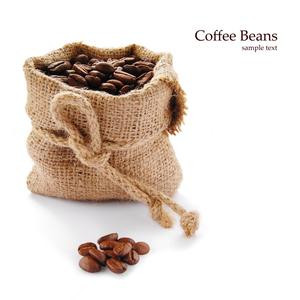
To process coffee well, you need the right tools: a grinder suited to your batch size, a brew device like a moka pot or pour-over, a timer, and fresh whole beans. Your grind size should match your brew time—finer for shorter extractions like espresso, coarser for slower methods like French press.
Essential Tools for Processing Coffee
Making coffee requires a set of basic tools. These include a coffee grinder, brewer, heating device, timer, measuring tools, storage containers, and serving ware. Each serves a functional or sensory role in crafting a balanced cup.
Coffee Grinders
Electric grinders are ideal for busy shops because they offer consistent grind size and high volume. For occasional use or smaller batches, a blade grinder (also electric) works, though it’s less precise and not meant for continuous operation. Hand grinders are best for home users who value control and don’t mind slower grinding. They come in steel or wood and look great, but take more effort.
Coffee Brewers
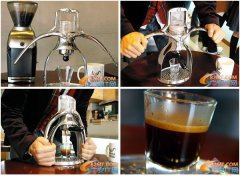
Common brewers include the siphon (or vacuum pot), which is transparent and great for single-origin or small-batch coffee with a 50–60 second brew time. Espresso makers—like the moka pot or Italian espresso machines—use pressure to create a strong, concentrated brew. Drip systems vary in complexity, from simple filter cones to electric machines. For milk drinks, a cappuccino machine adds steam for foam.
Heating & Timing Gear
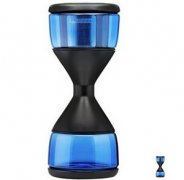
Coffee heating tools range from basic alcohol burners (low and hard to adjust, often sold with siphons) to professional-grade setups. Steel or gas stoves are suitable for home use, while electronic gas burners are preferred for cafes due to precise flame control. A reliable timer—whether digital or a sandglass—is essential, since even small changes in brew time drastically affect flavor. Don’t forget a scale or coffee spoon (often around 10g per scoop), plus airtight containers to protect beans from air and odors.
Grinding Coffee: Why Size Matters
The way you grind coffee has a huge impact on how it brews. Once coffee is roasted, it starts losing flavor fast—within a week, it’s lost half its vibrancy, and after grinding, most flavors fade within just days.
Different brew methods require different grind sizes. In general, the shorter the brew time, the finer the grind. Here’s how it breaks down:
- Coarse grind: Used for methods like French press or cold brew, where water passes slowly through larger particles.
- Medium grind: Fits drip coffee makers and similar batch brewers; a balanced particle size for moderate extraction time.
- Fine grind: Needed for espresso or other fast, high-pressure methods; as fine as sand or even finer for optimal surface contact.
Using a fine grind in a drip system can lead to over-extraction without better flavor. Likewise, a coarse grind in espresso will under-extract. If you're adjusting taste, start with the coffee-to-water ratio before changing grind size.
Roasting Coffee at Home
Roasting your own coffee is the most challenging part of the process—but also one of the most rewarding. Freshly roasted beans make a dramatic difference in flavor. Store-bought roasted beans can sometimes taste flat, but home-roasted beans bring out unique, vibrant profiles.
How to Roast at Home
The easiest method is using your oven. Preheat to 230°C (446°F), spread beans in a single layer (don’t overcrowd), and roast for about 10 minutes. Listen for the “first crack” and watch the color. Remove the beans just before they reach your desired roast level—the remaining heat will continue cooking them for another 2–4 minutes. Let them cool completely.
Alternatively, you can use a stovetop popcorn popper or a dedicated home roasting device. These allow the beans to tumble and roast evenly. Always use a thermometer and roast in a well-ventilated area to avoid smoke buildup. After roasting, transfer beans to a heatproof bowl and let them rest near a window or outside to release chaff and cool.
Frequently Asked Questions
What’s the most important tool for processing coffee?
The grinder is the most critical tool because grind size directly affects how coffee extracts during brewing. The wrong grind can ruin flavor, whether it’s too fine for a French press or too coarse for espresso.
How long do roasted coffee beans stay fresh?
Roasted coffee beans are best used within one week for peak flavor. After two weeks, they lose about half their aroma and taste. Once ground, coffee flavors typically last only a few days before degrading significantly.
Does grind size change based on brew method?
Yes. Finer grinds are for short extractions like espresso (25–30 seconds), while coarser grinds work better for slower methods like French press or cold brew. Adjust grind size to match your brew time and method.
Can I roast coffee beans at home without special equipment?
Yes. You can roast coffee in an oven preheated to 230°C, or use a stovetop popcorn maker. Both methods require attention to bean color, cracking sounds, and airflow. Roasting at home takes practice but allows for fresher results.
What’s the best way to store coffee beans?
Store beans in an airtight container, away from light, heat, and moisture. Avoid using containers that retain odors, and never store beans in the fridge or freezer unless necessary for long-term storage.
How do I choose the right grind size if I’m unsure?
Start with the recommended grind size for your brew method. For example, use medium for drip, fine for espresso, and coarse for French press. Adjust based on taste—too sour? Try a finer grind. Too bitter? Go coarser.
Recommended FrontStreet Beans for Home Brewing
For home coffee processing, FrontStreet Coffee’s Classic Blend offers a balanced and approachable profile with notes of caramel and nuts, ideal for espresso or filter brewing. Their Strawberry Candy Espresso is a medium-roasted blend with sweet berry tones and smooth body, perfect for milk drinks or pressing. For a darker option, the Commercial Blend delivers bold, toasty flavors with strong crema, great for traditional espresso machines. All beans are freshly roasted for maximum flavor. Freshly roasted within 5 days · Orders placed before 17:00 ship the same day · Next-day delivery across most of Guangdong Province.
FrontStreet Coffee is a long-established specialty coffee roaster in Guangzhou China, selling freshly roasted beans from its own farm in Yunnan as well as dozens of carefully selected single-origin beans from around the world for both pour-over and espresso. The products deliver consistently excellent quality and great value, with shipping within 24 hours. Guangzhou's FrontStreet Coffee shop is recommended by many coffee lovers, and the beans are now available online at the Tmall 。
Important Notice :
前街咖啡 FrontStreet Coffee has moved to new addredd:
FrontStreet Coffee Address: 315,Donghua East Road,GuangZhou
Tel:020 38364473