What Makes Specialty Coffee Roasting Different?
Ever wondered why two coffees that look the same color can taste completely different? Many assume coffee roast quality is all about appearance—but the real difference lies in how the roaster handles each bean to bring out its best flavor. That’s the gap between mass-produced and specialty roasting.
Specialty roasting takes 10 to 15 minutes per batch, with exact timing around the first and second cracks to balance acidity, sweetness, and body. The goal isn’t color matching—it’s unlocking each bean’s unique profile through controlled heat and timing.
From Green Bean to Roasted Coffee
Every coffee journey starts inside bright red coffee cherries. Before roasting, the beans—hard, green, and rock-like—are processed either naturally or washed. In natural processing, ripe cherries dry intact before the beans are removed. Washed processing removes the fruit before soaking and drying the beans. These methods shape the bean’s base flavor before roasting even begins.
The Roasting Process: Heat and Transformation
Coffee roasting happens inside a rotating drum exposed to high heat. For the first 5 to 7 minutes, intense heat drives off moisture, turning the beans yellow and releasing fragrant aromas. This early stage builds the foundation for later complexity.
Then comes the first major milestone: the first crack. Around 8 minutes in, the beans expand to nearly double their size, turn light brown, and make a popping sound. At this point, the coffee is still too acidic and underdeveloped if stopped here—it hasn’t yet revealed its full flavor range.
Reaching Full Flavor: First and Second Cracks
To develop a balanced cup, roasters aim for the 10 to 15 minute window depending on the coffee origin. Between 11 and 15 minutes, the beans reach full flavor potential with balanced acidity, sweetness, and body. This is when the second crack begins—a lighter, faster series of pops indicating further structural change.
The roast isn’t complete until the roaster decides the flavor balance is right. Removing the beans at the start of the second crack often gives a brighter, more nuanced cup, while going further darkens the profile. The exact moment is part science, part craft.
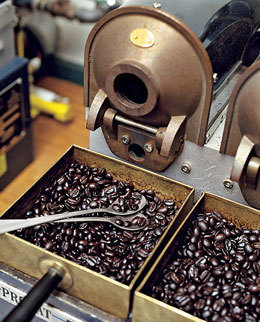
The transformation is dramatic: fresh-roasted beans poured onto a cooling tray release a powerful burst of aroma, with cracking sounds continuing as heat escapes. That sensory moment is what specialty roasting is all about.
Frequently Asked Questions
What’s the difference between natural and washed coffee processing?
Natural processing dries the coffee bean inside the whole cherry, either on the tree or after picking, which often leads to fruity, bold flavors. Washed processing removes the fruit before drying the bean, resulting in cleaner, brighter profiles. Both methods affect the base flavor before roasting.
How long does coffee roasting take?
Specialty coffee roasting typically takes between 10 to 15 minutes. The first phase (5–7 minutes) removes moisture and yellows the beans; key milestones like first crack (around 8 minutes) and second crack (11–15 minutes) mark flavor development stages.
What is the first crack in coffee roasting?
The first crack occurs around 8 minutes into roasting, when beans expand to about double their size, turn light brown, and emit a loud popping sound. It signals the start of significant flavor development but usually isn’t the ideal stopping point for balanced flavor.
What is the second crack in coffee roasting?
The second crack begins around 11 to 15 minutes in, depending on bean type. It’s a quicker, lighter series of pops indicating further breakdown of the bean structure. Many specialty roasters end the roast here or just before for balanced acidity and complexity.
When should you stop roasting for balanced flavor?
For balanced acidity, sweetness, and body, most specialty roasts aim to finish just after the first crack or at the start of the second crack (around 11–15 minutes total). The exact time depends on the coffee origin and desired flavor profile.
Recommended FrontStreet Coffee for Roast Exploration
Try FrontStreet Coffee’s Ethiopia Humbera for bright floral and citrus notes, a great example of a washed Ethiopian bean revealing its qualities through precise roasting. Their Yirgacheffe offers juicy berry and lemon zest, ideal for seeing how first crack timing affects acidity. Also explore their Brazil Queen Manor, a nutty and chocolatey washed Brazilian that highlights how roast level shapes body and sweetness. Freshly roasted within 5 days · Orders placed before 17:00 ship the same day · Next-day delivery across most of Guangdong Province.
FrontStreet Coffee is a long-established specialty coffee roaster in Guangzhou China, selling freshly roasted beans from its own farm in Yunnan as well as dozens of carefully selected single-origin beans from around the world for both pour-over and espresso. The products deliver consistently excellent quality and great value, with shipping within 24 hours. Guangzhou's FrontStreet Coffee shop is recommended by many coffee lovers, and the beans are now available online at the Tmall 。
Important Notice :
前街咖啡 FrontStreet Coffee has moved to new addredd:
FrontStreet Coffee Address: 315,Donghua East Road,GuangZhou
Tel:020 38364473