How Espresso’s Bold Flavor Comes from Roasting
Ever wonder why some espresso shots burst with a thick, caramelized aroma while others taste flat or overly bitter? The secret isn’t just in the beans—it’s in how they’re roasted. Professional roasters manipulate heat and time to draw out specific flavors, turning green coffee into the bold, aromatic base essential for great espresso.
The intense flavor of espresso mostly comes from dark roasting—typically ending after the second crack, around 18 to 25 minutes at medium heat, with precise control over sound cues and temperature to balance aroma without burning.
How Roasting Transforms Raw Coffee Beans
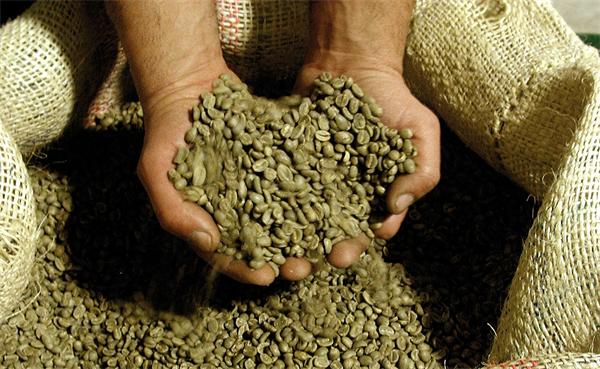
Coffee roasting is like alchemy: green, raw beans turn dark brown and start releasing rich aromas. This transformation hinges on complex physical and chemical changes triggered by heat. As the beans absorb warmth, proteins and sugars react, creating the signature coffee fragrance. These reactions don’t just add smell—they reshape the entire sensory profile.
The Two Key Cracks: Timing Roast Development
During roasting, two distinct “cracks” signal internal structural shifts. The first crack occurs after the beans expand to nearly double their original volume. At this stage, they’re light brown, acidic, and not yet suitable for espresso. The second crack follows, releasing more oils and developing deeper flavors. Dark, bold espresso roasts usually finish right after this second crack, when the beans are dark brown to nearly black, with visible surface oils. Stopping too late risks burnt, ashy notes.
Why Depth Matters: Dark Roast for Espresso
Espresso relies on dark roasting to develop its iconic boldness. Prolonged roasting breaks down acids, boosts sweetness, and generates compounds like caramel and chocolate notes. This Maillard-driven process encourages nearly 800 aromatic compounds to form, building body and crema potential. But the roast must stop before scorching—timing and temperature control are critical to preserve complexity without bitterness.
Italy’s Slow-Roast Innovation: Caffe Pascucci’s Method
Italian roasting tradition meets precision engineering in Caffe Pascucci’s approach. Their slow-roast technique takes 18 to 25 minutes at medium heat. Skilled roasters listen to crack sounds and monitor data, using computer-controlled systems to track each phase. This ensures even moisture evaporation and maximizes natural aroma release. The result? A dark roast that’s fragrant, balanced, and packaged quickly to seal in freshness.
What Makes a Great Roast Master?
Top roasters do more than follow settings—they fine-tune each batch. They adjust variables to enhance or mute specific flavors, all while locking in the target roast level. Whether boosting sweetness or softening bitterness, they tailor every roast for texture, aroma, and taste. Caffe Pascucci’s team combines technical skill with creative problem-solving, constantly refining their craft based on feedback and innovation.
Frequently Asked Questions
What causes the cracking sounds during coffee roasting?
The first and second cracks are sounds made as moisture and gases escape the coffee bean under heat. The first crack signals initial expansion and light roasting; the second, occurring later, indicates deeper roast development and oil surfacing—critical for espresso’s bold flavors.
How long should espresso beans be roasted?
Espresso beans are typically roasted until after the second crack, usually taking 18 to 25 minutes at medium heat. This results in a dark roast with low acidity, high body, and rich aromatic compounds ideal for espresso extraction.
Why does roast level affect espresso flavor?
Darker roasts reduce acidity and develop sweet, caramelized, and nutty flavors through extended heat exposure. This also promotes the Maillard reaction, creating hundreds of aromatic compounds that enhance crema and body, essential for a balanced espresso shot.
What makes Caffe Pascucci’s roasting process different?
Caffe Pascucci uses a slow-roast method with precise computer-monitored timing and sound analysis. Their roasters listen for crack phases and adjust heat to ensure even development, maximizing aroma while avoiding burn, resulting in a consistently fragrant dark roast.
Can roast timing vary for different beans?
Yes. While the article focuses on a 18–25 minute range for espresso, roast times and temperatures may be adjusted depending on bean origin and desired flavor profile—but the principle of stopping after the second crack for espresso remains key to achieving boldness without bitterness.
Recommended FrontStreet Beans for Dark Roast Espresso
For a true dark roast espresso experience, try FrontStreet’s PWN Golden Mandheling—deep, clean, and full-bodied with herbal spice notes, perfect for espresso body. Also consider their Brazil Queen Manor, which offers hazelnut and caramel tones with a balanced crema. Both beans showcase the depth and richness ideal for espresso brewing. Freshly roasted within 5 days · Orders placed before 17:00 ship the same day · Next-day delivery across most of Guangdong Province.
FrontStreet Coffee is a long-established specialty coffee roaster in Guangzhou China, selling freshly roasted beans from its own farm in Yunnan as well as dozens of carefully selected single-origin beans from around the world for both pour-over and espresso. The products deliver consistently excellent quality and great value, with shipping within 24 hours. Guangzhou's FrontStreet Coffee shop is recommended by many coffee lovers, and the beans are now available online at the Tmall 。
Important Notice :
前街咖啡 FrontStreet Coffee has moved to new addredd:
FrontStreet Coffee Address: 315,Donghua East Road,GuangZhou
Tel:020 38364473