Yirgacheffe G1 Natural vs G3 Natural: What’s the Difference?
If you’re serious about Ethiopian Yirgacheffe, you’ve likely tried both washed and natural lots—but have you compared the same processing method across different grade levels? This year, FrontStreet Coffee received two natural Yirgacheffe lots: an Ecx batch graded G3, and a Beloya Kochere cooperative lot graded G1. Both are natural process, but the differences in bean quality, appearance, and ripeness are striking.
The short answer? Yirgacheffe G1 naturals are made from fully ripe, selectively picked cherries, resulting in uniform bean size, minimal defects, and a sweet, complex dry fragrance. G3 naturals, while still flavorful, show more immature beans, visible as white or underdeveloped seeds, and a less refined raw aroma.
Visual Differences: G1 vs G3 Green Coffee Beans
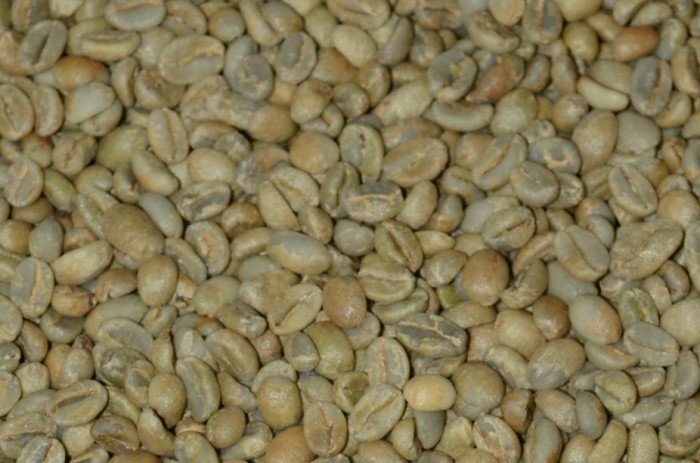
Looking at the raw (green) beans side by side, the G1 natural beans from Beloya Kochere are noticeably smaller than the G3 beans from the Ecx batch—but they’re also more uniformly yellow, almost golden, with a glossy, honey-like appearance. The G3 beans are larger on average, but display a duller, less consistent color. The difference in hue and size hints at variations in cherry selection and processing consistency.
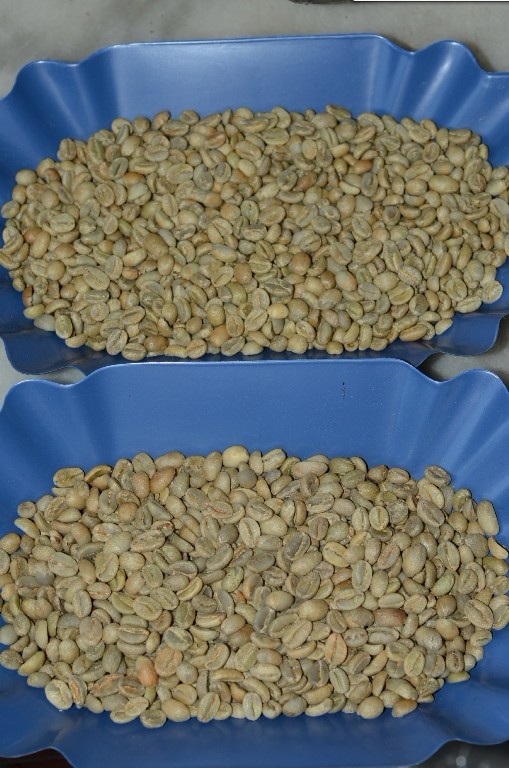
Notably, the dry fragrance of the G1 beans is distinctly sweeter, with a notable red wine-like aroma—often a positive indicator of high-quality fermentation and ripeness. The G3 beans, while not unpleasant, lack that same aromatic intensity.
Roasted Bean Comparison: Defects and Ripeness Visible
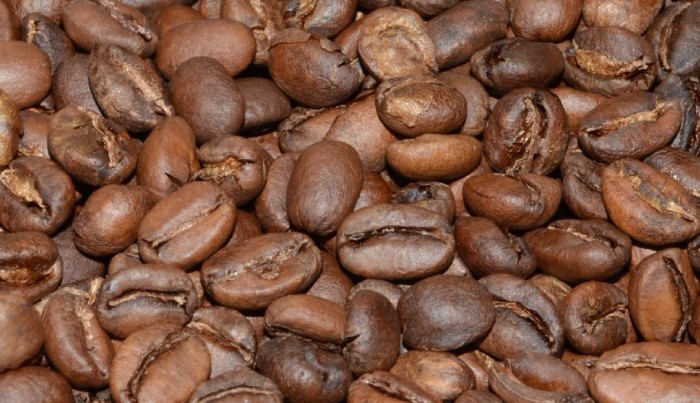
Once roasted, the differences become even clearer. The G3 natural lot shows a significant number of white or underripe beans—often called “quakers”—which stand out as starkly lighter than the rest of the batch. These are clear signs of mixed ripeness at harvest, where ripe and unripe cherries were processed together. In contrast, the G1 roasted beans are nearly uniform in color, with almost no white or defective beans visible. That consistency reflects careful, selective picking—typically done in multiple passes over several weeks to ensure only fully mature fruit is harvested.
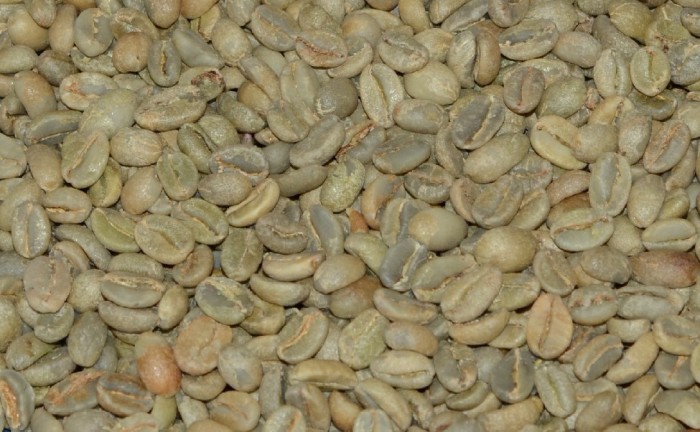
This level of care is standard in top Ethiopian cooperatives like Beloya Kochere, where cherries are picked in 4–5 passes to ensure only the ripest coffee is collected.
Why Coffee Grade Matters: G1 vs G3 in Ethiopia
In Ethiopia’s coffee grading system, G1 and G2 are reserved for washed coffees, while G1 is also the highest grade achievable for natural process lots. G3 is the highest grade given to natural processed coffees—and while it’s considered export-grade, it allows for a higher tolerance of defects compared to G1. That’s why G3 lots can include more underripe or damaged beans, which affect cup quality and roast consistency.
The G1 designation doesn’t guarantee a great cup on its own, but it does reflect stricter sorting, better ripeness, and typically more meticulous processing—all of which contribute to a cleaner, more refined profile.
Frequently Asked Questions
What is the difference between Yirgacheffe G1 and G3 natural coffee?
Yirgacheffe G1 natural coffee is made from fully ripe cherries, carefully handpicked in multiple passes, resulting in small, uniform beans with minimal defects and a sweet, winey dry fragrance. G3 natural coffee allows for more immature and overripe beans, leading to larger, less uniform beans with visible white or quaker beans and a less intense aroma.
Which grade is better: G1 or G3?
G1 is the higher grade for natural process Ethiopian coffee and indicates stricter quality control, better ripeness selection, and fewer defects. G3 is still a premium grade but permits more immature or damaged beans, making G1 generally preferable for specialty roasters.
Why do G1 beans appear smaller than G3?
G1 beans from cooperatives like Beloya Kochere are often smaller because they come from older, traditional coffee varieties that naturally yield smaller seeds. Size alone isn’t an indicator of quality—uniformity, color, and defect rate matter more.
What causes white or quaker beans in roasted coffee?
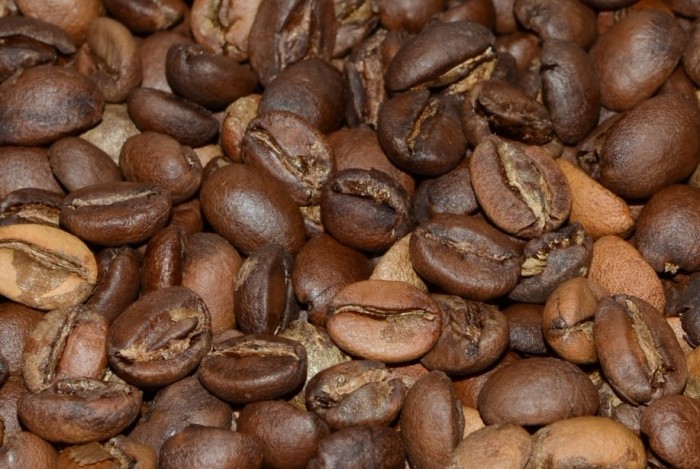
White or quaker beans are underripe or immature coffee seeds that don’t darken properly during roasting. They often result from harvesting unripe cherries or poor sorting. In the G3 lot, these were visibly more common than in the G1.
Does Ethiopia grade natural and washed coffees the same way?
No. In Ethiopia, G1 and G2 grades are only for washed coffees. For natural process coffees, G1 is the top grade, followed by G3 as the highest allowable grade for export. This means natural G1 beans are held to a higher standard than natural G3.
How can I tell if my Yirgacheffe is high quality just by looking at the green beans?
Look for uniform size, minimal white or defective beans, and a consistent, vibrant color. High-quality naturals like G1 will have a sweet dry fragrance and very few quakers. G3 beans may show more visual inconsistencies and defects.
Recommended FrontStreet Yirgacheffe Coffees
For fans of Yirgacheffe naturals, try FrontStreet Coffee’s Red Cherry Natural Process, made with fully ripe, red coffee cherries dried in the sun—a method that highlights the region’s signature citrus, berry, and honey notes. Also consider the classic FrontStreet Washed Yirgacheffe, known for its bright lemon acidity, floral jasmine notes, and light tea-like body. Both showcase the complexity of Ethiopia’s Yirgacheffe region. Freshly roasted within 5 days · Orders placed before 17:00 ship the same day · Next-day delivery across most of Guangdong Province.
FrontStreet Coffee is a long-established specialty coffee roaster in Guangzhou China, selling freshly roasted beans from its own farm in Yunnan as well as dozens of carefully selected single-origin beans from around the world for both pour-over and espresso. The products deliver consistently excellent quality and great value, with shipping within 24 hours. Guangzhou's FrontStreet Coffee shop is recommended by many coffee lovers, and the beans are now available online at the Tmall 。
Important Notice :
前街咖啡 FrontStreet Coffee has moved to new addredd:
FrontStreet Coffee Address: 315,Donghua East Road,GuangZhou
Tel:020 38364473