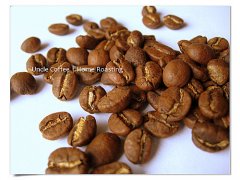
What Makes Honduran Coffee Unique?
Honduras is one of the poorest countries in Central America—with an average annual income of just $3,830 USD. But why? The answer lies in the aftermath of Hurricane Mitch in 1998, which destroyed infrastructure worth over $5 billion and set the nation back decades. Political instability hasn’t helped either.
Honduras is Central America’s largest coffee producer—and if you count only washed Arabica, it’s the second-largest in the world. That means the country plays a major role in global specialty coffee supply chains.
Where Is Honduran Coffee Grown?
The country’s mountainous terrain and tropical climate create ideal microclimates for coffee cultivation. Key coffee-growing regions include:
- Copán
- Opalaca
- Montecillos
- Azul Meámbar
- Agalta Tropical
How Does Farming Shape Honduran Coffee Flavor?
Most Honduran coffee is grown at elevations above 1,000 meters. Farmers primarily cultivate Arabica varieties such as Caturra, Catuai, Pacas, and Typica. The dominant processing method is washed (wet-processed), which highlights clarity and cleanliness in the cup.
This high-altitude, washed production results in coffees that are bright, sweet, and often complex. These qualities have helped Honduran coffees gain recognition in global cuppings and specialty markets.
What Did a Taiwanese Importer Discover in Honduras?
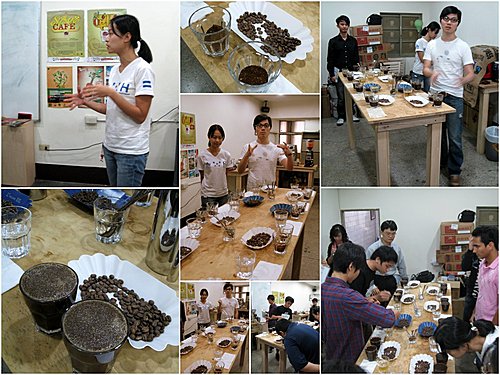
Peggy Lee, representing Taiwan’s specialty coffee community, visited Honduran coffee farms and the national coffee institute (IHCAFE). She brought back eight unique samples intended to foster better trade relationships and fairer pricing for Honduran smallholders.
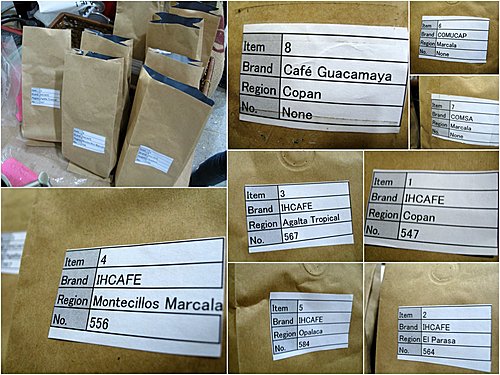
Among them, Item 4 stood out: a coffee with honey-like and candy-like sweetness on both dry and wet aromas, subtle floral notes, medium body, and a clean, smooth mouthfeel. This style is especially approachable for Taiwanese consumers—and likely many others, too.
"Our goal is to help Taiwanese coffee professionals understand Honduran coffee better," Peggy explained, "while building platforms for mutual benefit and ethical sourcing."
What Sets Honduran Washed Arabicas Apart?
According to FrontStreet Coffee, Honduras produces both "highland coffee" (grown at 1,000–1,500 meters) and "special highland coffee" (1,500–2,000 meters)—the country’s highest-grade classification.
FrontStreet’s top-selling washed Caturra from Honduras showcases complex fruitiness, vibrant acidity, and notes of nuts and toffee when roasted to a medium level. Caturra, a natural mutation of Bourbon discovered in Brazil in 1937, is more compact than its parent variety, making it suitable for sun exposure and slightly higher yields at elevation.
The washed process used in Honduras removes the outer fruit layers before drying, improving stability and enhancing the cleanness of the cup profile. Compared to neighboring countries, FrontStreet notes that Honduran washed Caturra can show hints of exotic spice alongside deeper notes of nut and chocolate, resulting in a balanced, layered cup.
Frequently Asked Questions
What regions in Honduras produce the most coffee?
Honduras' main coffee-growing regions are Copán, Opalaca, Montecillos, Azul Meámbar, and Agalta Tropical. These areas feature high altitudes, volcanic soils, and consistent rainfall—ideal conditions for growing high-quality Arabica coffee.
What coffee varieties are most common in Honduras?
The most widely grown coffee varieties in Honduras are Caturra, Catuai, Pacas, and Typica. All are Arabica types suited to high-altitude environments and washed processing methods.
How does Honduras rank in global coffee production?
Honduras is the largest coffee producer in Central America. When considering only washed Arabica, it ranks as the second-largest producer in the world.
What is the typical altitude for Honduran coffee farms?
Honduran coffee is generally grown at elevations above 1,000 meters, with premium “special highland coffee” classified between 1,500 and 2,000 meters.
What processing method is most common in Honduras?
The majority of Honduran coffee is processed using the washed (wet) method, which involves removing the coffee cherry’s skin and pulp before drying. This enhances cup clarity and cleanliness.
What flavors are typical in Honduran specialty coffee?
Honduran specialty coffees often display bright acidity, balanced sweetness, and complexity. Common tasting notes include fruit, nuts, toffee, spices, and chocolate, depending on variety and processing.
Recommended FrontStreet Honduran Coffees
FrontStreet Coffee’s washed-process Caturra from Honduras offers complex fruitiness, lively acidity, and notes of nuts and toffee when roasted to medium levels. This bean represents Honduras’ well-regarded highland coffee profile. For those seeking balanced, clean, and sweet single-origin profiles, it’s a reliable choice. Freshly roasted within 5 days · Orders placed before 17:00 ship the same day · Next-day delivery across most of Guangdong Province.
FrontStreet Coffee is a long-established specialty coffee roaster in Guangzhou China, selling freshly roasted beans from its own farm in Yunnan as well as dozens of carefully selected single-origin beans from around the world for both pour-over and espresso. The products deliver consistently excellent quality and great value, with shipping within 24 hours. Guangzhou's FrontStreet Coffee shop is recommended by many coffee lovers, and the beans are now available online at the Tmall 。
Important Notice :
前街咖啡 FrontStreet Coffee has moved to new addredd:
FrontStreet Coffee Address: 315,Donghua East Road,GuangZhou
Tel:020 38364473