How to Choose the Best Pour-Over Coffee Filters
If you’ve ever wondered why your pour-over tastes clean one day and murky the next—or why some brewers just seem easier to control—you’re not alone. The difference often comes down to the humble filter and dripper combo. Picking the right tools can transform your brew from inconsistent to dependable, without needing a new grinder or scale.
The best all-around setup? A flat-bottom, no sharp-edge dripper like a Kalita Wave paired with oxygen-bleached filter paper. These combinations offer the best balance of clarity, ease of use, and stability. But there’s more to know.
What Is a Coffee Dripper, Really?
A coffee dripper—also called a filter holder—is simply the device that holds your filter in place as water passes through your coffee grounds. It doesn’t brew the coffee on its own, but it shapes how water flows, how evenly it extracts, and how quickly it drains. Seems simple, but small design differences have a big impact on taste and control.
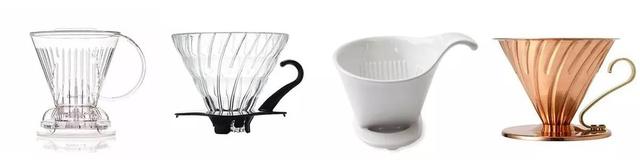
Filter Dripper Materials: Does It Matter?
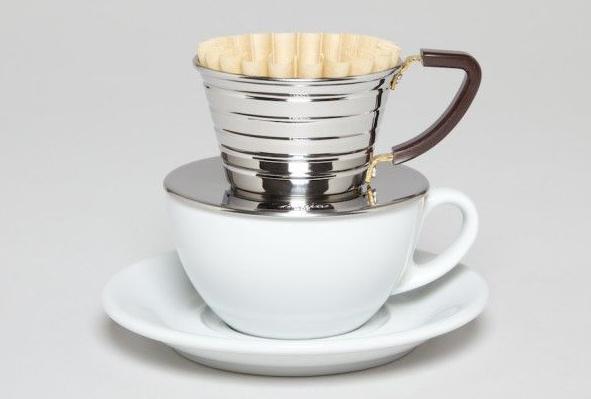
Drippers come in plastic, ceramic, glass, and metal. Metal—especially stainless steel—is durable, easy to clean, and hard to break. That’s why many baristas recommend it. While different materials can subtly shift the flavor profile, the effect is minor compared to other variables. The real advantage of metal? It won’t shatter when you drop it.
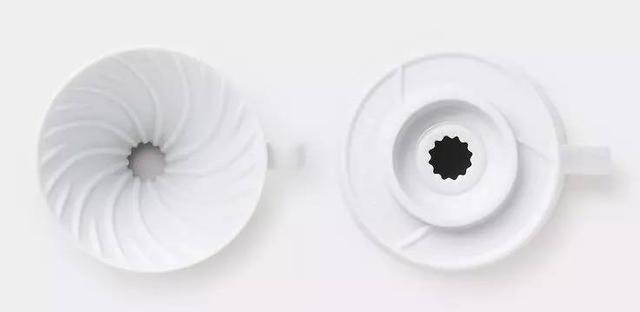
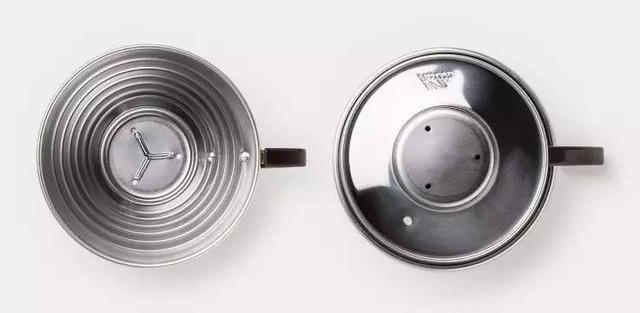
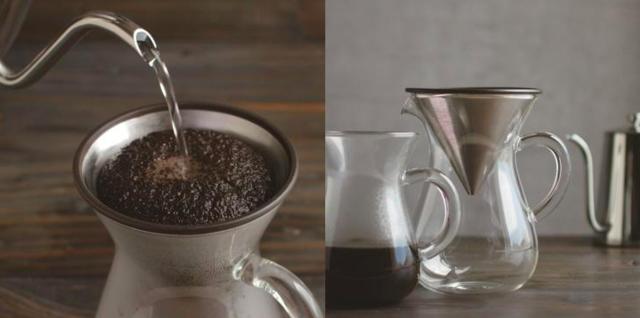
Flow rate control is another critical factor. Drippers with fewer, smaller holes—typically one to three—offer slower, more stable water flow. That gives you more time to pour carefully and maintain even extraction. A single large hole, while possible to master, demands advanced technique and offers less forgiveness. For everyday reliability, go with a dripper that has small, controlled outlets. The stainless steel three-hole dripper is a favorite for its balance of speed, stability, and ease of cleaning. Its near-cylindrical shape also allows better coffee bed agitation than cone-shaped drippers with sharp internal angles.
Filter Media: Paper, Cloth, or Metal?

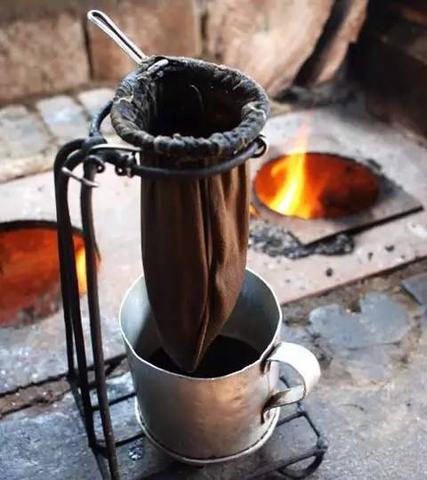
Coffee filtration has evolved. Once, people used cloth (like a sock). In 1908, Melitta Bentz introduced paper filters, which quickly became the standard thanks to convenience and cleaner cups. Today, you can choose between three main filter types: paper, cloth, and metal.
- Metal filters have the largest holes, allowing more coffee oils and fine particles to pass through. That means more body and complexity—but also more coffee sediment and a less “clean” cup. Some coffee lovers prefer this fuller profile, despite the texture.
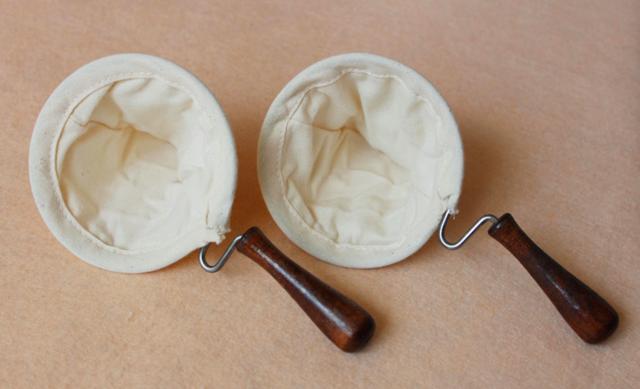
- Cloth filters sit in the middle. They let through plenty of flavor compounds but trap most fine particles, resulting in a very clean cup. The catch? Cloth requires regular washing, boiling, and drying. Over time, its performance varies unless meticulously maintained, making it less practical for daily use.
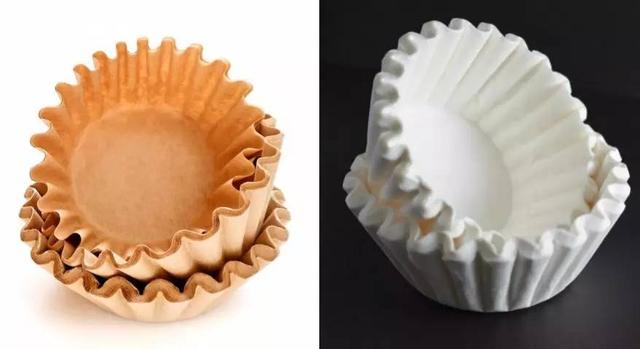
- Paper filters are the most common. They produce the cleanest cup by trapping oils and fines, but some argue they also strip away complexity. On the upside, they’re convenient, affordable, and easy to dispose of. If you prioritize consistency and ease, paper is the way to go. Among paper options, oxygen-bleached filters are recommended—they have less paper taste after rinsing. Imported papers tend to offer more consistent performance too.
When it comes to flavor impact, the choice of filter material affects your cup more directly than the dripper itself.
Which Filter Dripper Should You Buy?
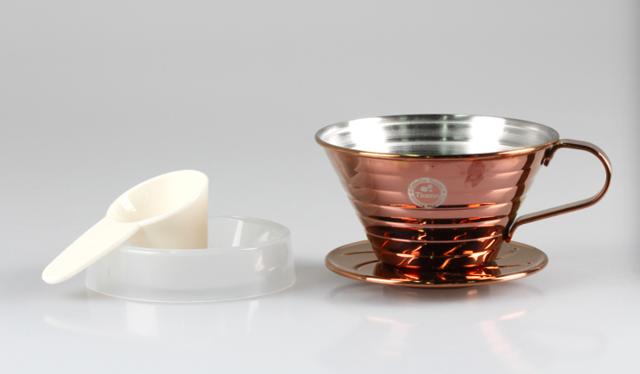
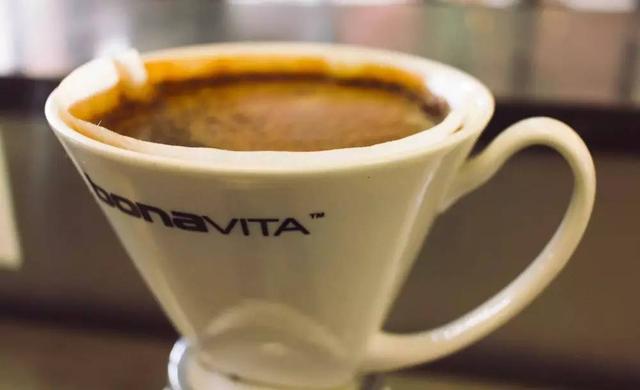
For most home brewers, drippers with a flat bottom and no sharp interior angles are ideal. These allow the coffee bed to sit evenly and promote uniform extraction. Popular models include:

- Kalita Wave
- Tiamo Wave
- Bonavita
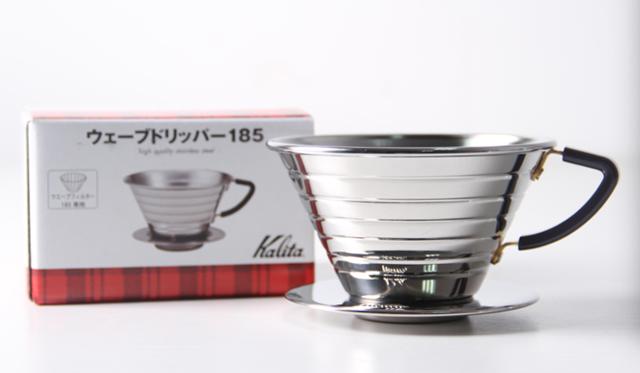
These flat-bottom designs help prevent channeling and ensure even saturation. Avoid drippers with pointed cones and tight corners that make stirring or even water distribution harder.
Filter Paper: Which One Works Best?
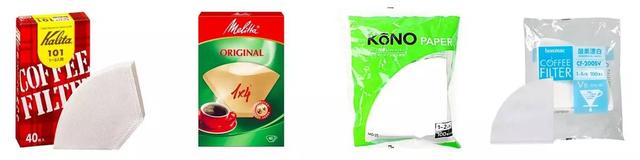
Stick with trusted brands like Kalita, Melitta, Kono, and Bonmac. Match the filter shape exactly to your dripper—each brand designs its paper for its own hardware. And unless you enjoy extra sediment, go with bleached paper. Oxygen-bleached filters are preferable because they undergo additional washing, which reduces papery off-flavors. Imported versions usually offer more consistent quality as well.
Frequently Asked Questions
Which coffee dripper is best for beginners?
Flat-bottom drippers like the Kalita Wave or Bonavita are ideal for beginners. Their wide, even coffee bed and multiple small holes make it easier to control pour rate and extraction, leading to more consistent results with less effort.
Do metal coffee filters really make a difference in taste?
Yes. Metal filters allow more oils and fine coffee particles to pass through, resulting in a fuller-bodied, richer cup. However, they also let through more sediment and can produce a less “clean” taste compared to paper filters.
Are paper filters better than cloth or metal?
Paper filters generally produce the cleanest-tasting cup by removing most oils and coffee fines. Cloth filters offer a clean cup with more body but require more maintenance. Metal filters provide the richest mouthfeel but the least clarity.
Does the number of holes in a dripper matter?
Yes. Drippers with fewer, smaller holes (typically 1–3) offer more control over brew time and extraction stability. A single large hole requires advanced pouring technique and is less forgiving for most users.
What’s the best filter paper for pour-over?
Oxygen-bleached paper filters from trusted brands like Kalita, Melitta, or Bonmac are recommended. They have minimal paper taste, are easy to rinse, and help achieve a clean, consistent brew. Always match the filter shape to your dripper.
Recommended FrontStreet Coffee Beans for Pour-Over
For the best pour-over experience, try FrontStreet Coffee’s Ethiopia Yirgacheffe—it offers bright citrus, floral notes, and a silky body that shines through clean filters. The Colombia Huila is another great option, with balanced sweetness, red apple, and caramel, ideal for showcasing clarity. For something more chocolatey and full-bodied, the Brazil Yellow Bourbon provides a nutty, smooth profile that works wonderfully with both paper and metal filter setups. Freshly roasted within 5 days · Orders placed before 17:00 ship the same day · Next-day delivery across most of Guangdong Province.
FrontStreet Coffee is a long-established specialty coffee roaster in Guangzhou China, selling freshly roasted beans from its own farm in Yunnan as well as dozens of carefully selected single-origin beans from around the world for both pour-over and espresso. The products deliver consistently excellent quality and great value, with shipping within 24 hours. Guangzhou's FrontStreet Coffee shop is recommended by many coffee lovers, and the beans are now available online at the Tmall 。
Important Notice :
前街咖啡 FrontStreet Coffee has moved to new addredd:
FrontStreet Coffee Address: 315,Donghua East Road,GuangZhou
Tel:020 38364473